
Art Therapy for Children & Teens in Calgary
Some Feelings Are Easier to Draw Than to Say.
Ask a child what's wrong and you'll often get a shrug, or a quiet "I don't know." It's not that nothing's there — it's that the feeling is too big, too tangled, or too new to fit into words. But hand that same child paper and paint, and it comes out anyway: in the colours they reach for, the scenes they build, the story that quietly takes shape on the page.
Art therapy meets children in that language. It isn't an art class, and no talent is needed — the making itself is what helps, giving feelings a safe way out and our Calgary psychologists a gentle window in. For children who can't yet talk about what they're carrying, it's often the way they finally begin to.
Understanding Art Therapy
What Art Therapy Actually Is.
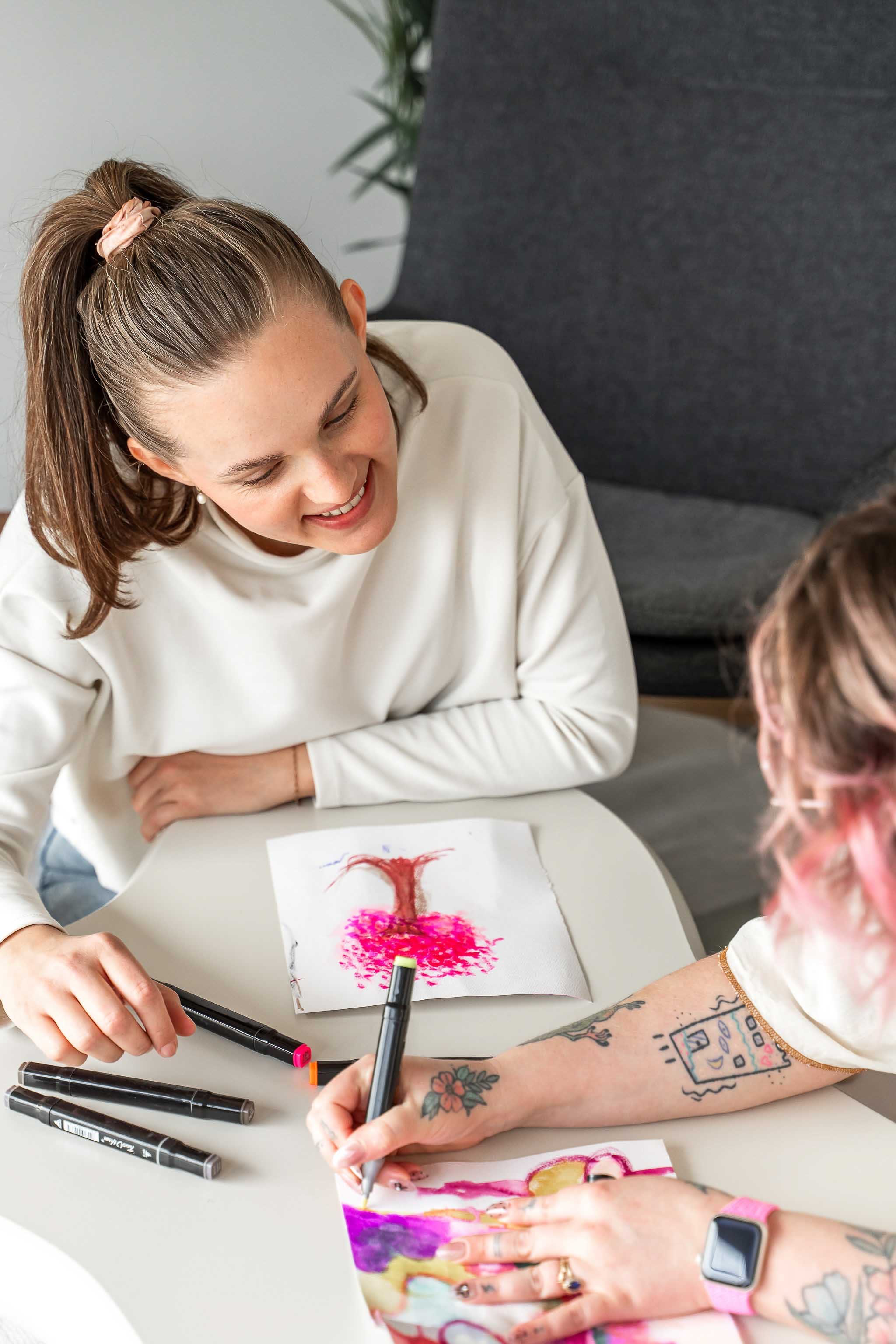
Art therapy is real psychological therapy that uses making — drawing, painting, clay, collage — as the way in, rather than relying on a child to sit still and talk. It's led by a registered psychologist trained to understand what the art is expressing, and to gently help a child make sense of it. The point isn't the picture. It's what the picture makes possible.
For a lot of children, that's everything. Talking about feelings is a skill that's still developing, and some experiences are too big or too raw to put into sentences. Art gives those feelings somewhere to go — a way to show what can't yet be said, at a pace that feels safe. From there, understanding and healing can begin, often long before a child could have talked about any of it directly.
Why Making Helps
The hands often reach what words can't.There's real psychology behind why art works — it isn't just a distraction or a craft to keep a child busy.
- Feelings that are hard to say can be shown, safely and indirectly
- Big emotions get moved out of the body and onto the page
- A worry becomes something a child can look at, not just carry
- The rhythm of making is calming and regulating in itself
- Children stay in control of how much they reveal, and when
- What emerges gives the therapist a gentle, honest window in
What It Helps With
A way in when talking is hard.Art therapy can help with a wide range of things — and it's especially powerful for children who find it hard to talk directly.
- Anxiety and worries that are hard to name out loud
- Trauma and difficult experiences that resist words
- Grief, loss, and big changes in a child's world
- Overwhelming emotions and learning to regulate them
- Low self-esteem and a shaky sense of self
- Children who are shy, anxious, or simply not big talkers
Art therapy isn't about talent, and it isn't about producing something beautiful. It's about giving a child a language that doesn't depend on finding the right words — so the things they've been carrying can finally come out, be understood, and start to feel lighter.
Inside a Session
What a Session Actually Looks Like.
If you're picturing a child on a couch being asked how they feel, it's nothing like that. An art therapy session is calm, creative, and led by your child — here's how the time together tends to unfold.
A Calm, Safe Space
A warm room with materials laid out and no pressure in the air — the kind of place a child can settle into and feel at ease before anything else happens.
The Child Chooses
They pick what to make and how — paint, clay, collage, or just colour. Following their own interest is what lets the real material quietly surface.
Making, Not Performing
Nothing is graded and there's no right way to do it. Without the pressure to get it "right," children relax — and that's when the honest stuff comes out.
Gentle Company
The psychologist works alongside your child — curious, warm, and following their lead rather than steering. It feels like being joined, not examined.
Words When They Come
Talking happens naturally alongside the making, if and when your child wants it. Nothing is forced — the art carries what words aren't ready to.
Making Sense Together
Over time, gentle patterns emerge that guide the work — and your child leaves having let something out, a little lighter than when they came in.
Art Therapy at Every Age
Art Therapy Looks Different at Every Age
Creativity gives children a way to express what's hard to say, and how we use it shifts as they grow — so our Calgary child psychologists tailor art therapy to your child's age and stage. Whatever the age, the materials change but the idea stays the same: giving feelings a way out that doesn't depend on finding the right words.
Preschoolers
Ages 3–5
For little ones it's scribbles, colour, and squishing clay — sensory, hands-on, and free of any need to make something "good." The making itself soothes and expresses feelings they can't yet name, while we support connection and regulation alongside you.
School-Age Children
Ages 6–12
Drawing, painting, and collage let children tell their story and put big feelings on the page at a safe distance. It's a natural fit for kids who find talking hard, giving them a way to explore experiences without being put on the spot.
Teens
Ages 13–17
Teens often find it easier to open up with something in their hands. Through more sophisticated art, visual journaling, and design, they explore identity and emotion — with the focus off eye contact, which makes the hard things easier to share.
The Power of Creativity
Why Art Therapy Actually Works
Art therapy is far more than keeping a child busy with crafts. There's real depth behind why creative expression reaches children in ways that talking alone often can't.
Art Speaks When Words Fall Short
Children often feel far more than they can explain, and some experiences are simply too big or too tangled for words. Art gives those feelings another language — a way to show what can't yet be said.
It Creates a Safe Distance
Putting a worry or a memory onto paper moves it outside a child, where it feels more manageable. This gentle distance lets them explore hard things at arm's length, rather than being overwhelmed by them head-on.
The Making Itself Is Soothing
The sensory, hands-on rhythm of creating — mixing colour, moulding clay, filling a page — calms the nervous system. For an anxious or dysregulated child, the process is often as healing as anything the finished piece reveals.
The Image Opens the Door
A drawing gives a child and their psychologist something to gently wonder about together, so conversation can grow naturally — led by the child, at their pace. The artwork becomes a bridge to the things underneath.
How We Help
How the Making Helps Them Heal.
We never push a child to talk before they're ready. Instead, we let the art lead — because the making itself is where the work happens. Putting a feeling onto paper moves it out of the body and into something a child can see, hold, and slowly make sense of. Our Calgary psychologists read what's emerging with care, reflect it back gently, and build the kind of safety that lets a child show a little more each time.
For many children — the anxious, the grieving, the ones carrying something too big for words — this is the way in. As they create, they process; as they feel understood, they feel less alone with it. And very often, as the pressure eases, the words begin to come too — not because they were pushed, but because it finally feels safe enough to find them.
- Give feelings a safe way out, without needing the right words first.
- Build the trust and safety that let a child open up at their own pace.
- Gently process anxiety, trauma, grief, and big changes in a child's world.
- Turn overwhelming emotions into something a child can see and manage.
- Strengthen self-expression, confidence, and a steadier sense of self.
- Offer a gentle window in, so we understand what your child is carrying.
Art Therapy in Calgary & Across Alberta
A Calm, Creative Space for Children to Be Understood
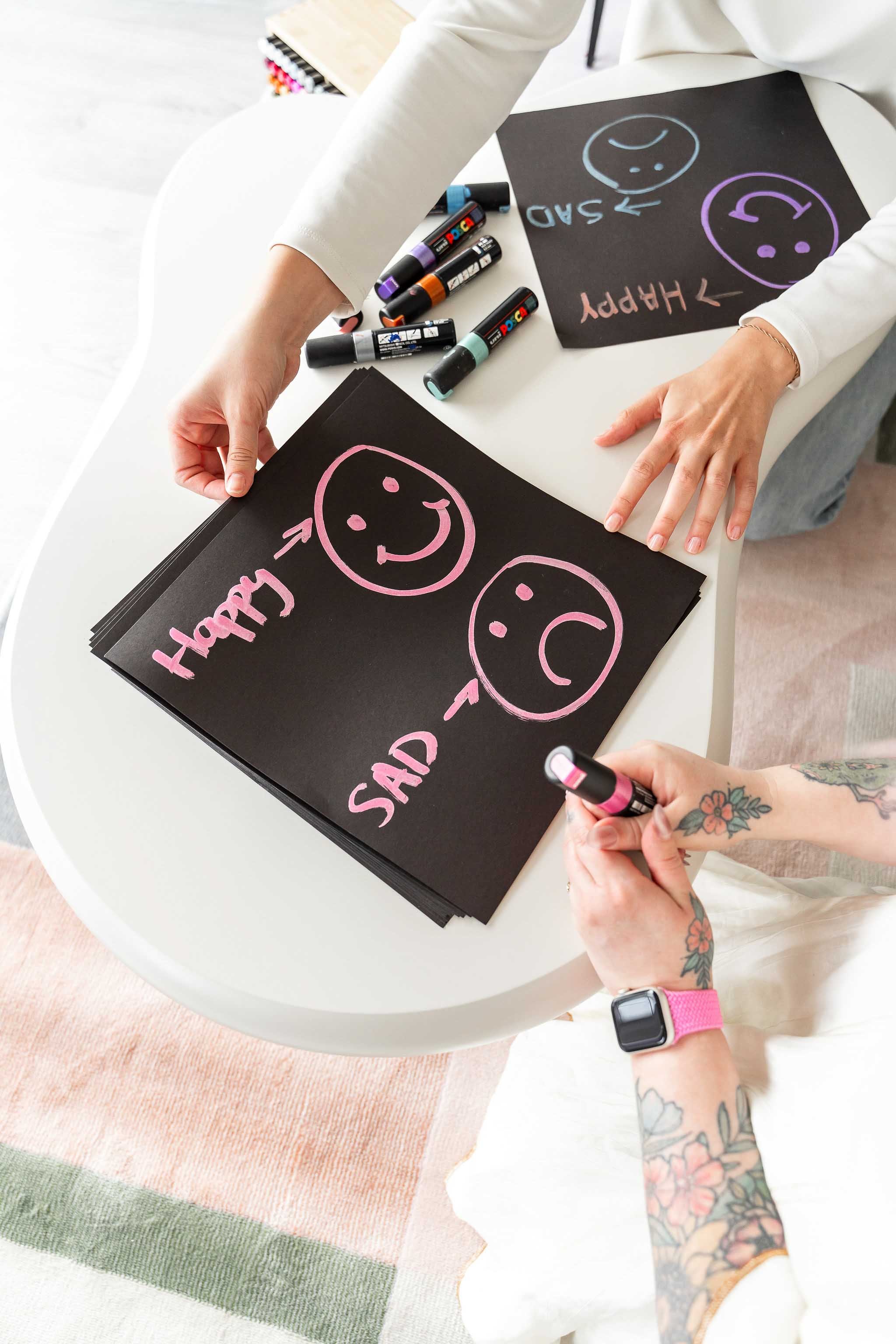
Creative Sky Psychology provides art therapy for children and teens from our Calgary clinic, with families travelling in from across the city and surrounding communities. Whether your child finds it hard to talk about feelings, is carrying anxiety, grief, or a difficult experience, or simply needs another way to be understood, our Calgary psychologists offer a warm, creative space where the making does the talking.
Neighbourhoods We Serve
- Aspen Woods
- West Springs
- Cougar Ridge
- Springbank Hill
- Wildwood
- Glenbrook
- Glendale
- Westgate
- Mount Royal
- Royal Oak
Families From Across Alberta
Art therapy works best in person — there's something about sharing real materials in a calm, unhurried space that a screen can't quite replace, which is why the sessions themselves happen at our Calgary clinic. We're glad to welcome families travelling in from further afield, and where it's helpful we can hold parent conversations and updates virtually, so not every part of the process means a drive into the city. If you're coming from outside Calgary, get in touch and we'll help make it work.
Explore All Areas We ServeWhen There's More Beneath the Surface
Sometimes the Art Offers Insight
Art has a way of showing what words keep hidden. Sometimes what surfaces in a child's making — the themes that keep returning, the intensity, the struggle to settle or connect — hints at something worth understanding more fully. A child who can't easily talk about what's wrong is sometimes carrying anxiety that runs deeper than it looks, a response to something hard they've been through, or a different way of experiencing the world altogether. None of that makes your child a problem to be solved. It just means there may be more to understand, so the right support can meet the whole child. An assessment can bring that clarity — and often, it's art therapy that first opens the door to it.
Resources
Explore Our Blog
Helpful articles about art therapy and children — why creative expression helps kids process big feelings, what to make of the themes in your child's drawings, how art therapy differs from an art class, and simple, calming creative activities to try at home.
Read Our Articles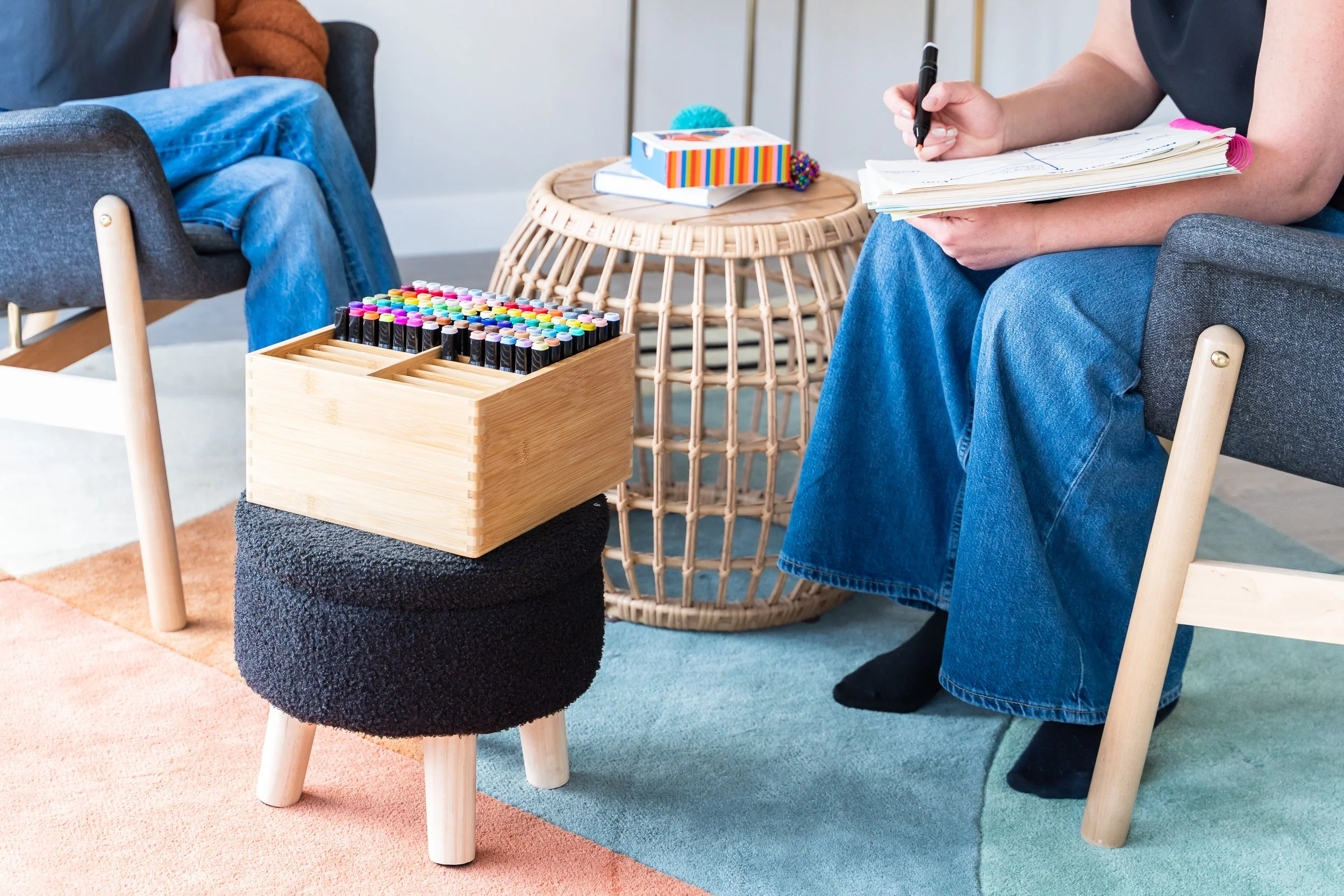
Our Team
Meet the Psychologists Behind Creative Sky
Our Calgary child psychologists bring diverse backgrounds, advanced training, and a shared commitment to thoughtful, evidence-informed care for children and families.
Art therapy asks for a particular kind of psychologist — one who can sit patiently alongside a child, read what the making is expressing, and follow their lead without ever pushing. We'll help you find the one whose warmth, expertise, and approach feel right for your child.

Art Therapy FAQs.
Isn't Art Therapy Just Arts and Crafts?
It's a fair question, and the answer is no. The activity might look similar from the outside — a child drawing or working with clay — but art therapy is real psychological therapy, led by a registered psychologist with training in how creative expression supports emotional processing. The craft is the doorway, not the destination.
The difference is what's happening underneath. A craft activity aims at a finished product; art therapy uses the making to help a child express, understand, and work through what they're carrying. Nothing your child makes is graded or kept for its own sake — it matters only for what it helps them say and feel.
Does My Child Have to Be Good at Art?
Not at all — and this is worth saying clearly, because it's the number one worry we hear. Art therapy has nothing to do with talent, skill, or making something that looks good. A scribble, a splodge of colour, or a lump of squished clay can carry just as much as a careful drawing.
In fact, children who worry about "getting it right" often relax the most once they realise there's no right. The freedom to make something messy, ugly, or unfinished is part of what makes it work. Your child cannot do art therapy "wrong."
What Can Art Therapy Actually Help With?
Quite a lot — especially where feelings are hard to put into words. It can help children work through anxiety, grief and loss, trauma or difficult experiences, big emotions and trouble regulating them, low self-esteem, and major changes like divorce or a move. It's also a wonderful fit for children who are shy, anxious, or simply not big talkers.
That said, it isn't the right tool for every child or every problem, and part of our first conversation is working out whether art therapy is the best fit or whether another approach — or a combination — would serve your child better. We'll always be honest with you about that.
Is Art Therapy Only for Young Children?
Not at all. It's often associated with little ones, but it can be just as powerful for older children and teenagers — sometimes more so. Teens can be famously reluctant to sit across from an adult and talk about their feelings, and having something to do with their hands takes the spotlight off, which paradoxically makes it easier to open up.
The materials and approach simply shift to suit the age — a teenager's art therapy looks different from a six-year-old's. What stays the same is the core idea: sometimes it's easier to show something than to say it, at any age.
My Child Won't Talk About Feelings — Can This Still Work?
Yes — in fact, that's exactly what art therapy is for. It's often the approach we reach for precisely because a child can't or won't talk directly. The whole point is that it doesn't depend on words. A child can express and process a great deal without ever having to explain it out loud.
And very often, once the pressure to talk is removed, the talking starts to come anyway — gently, at the child's own pace, alongside the making rather than instead of it. For a lot of quiet or guarded children, art is the thing that finally opens the door.
Will I Know What Happens in Sessions?
Yes — you'll be kept in the loop and supported throughout. We'll talk with you about how things are going, the themes emerging, and what you can do at home, and you're always welcome to ask questions. Parents are partners in this work, not spectators.
At the same time, children open up most when they trust that their space is genuinely theirs, so we balance keeping you informed with protecting the sense of safety that makes the therapy work. In practice that means sharing what's helpful for you to know without turning every drawing into a report card. We'll always explain how we handle that, and it looks a little different depending on your child's age.
Do You Analyse My Child's Drawings?
Not in the crystal-ball way people sometimes imagine — we're not decoding "black means sadness" from a single picture. That kind of fixed symbol-reading isn't how good art therapy works, and it can be quite misleading. A child might use black because it was the nearest pen.
What we do is pay attention over time, gently and in context — noticing themes that recur, what a child chooses to make, how they talk about it, and what shifts as the work goes on. Meaning comes from the child and the relationship, not from a psychologist projecting interpretations onto them. We follow your child's lead, always.
How Many Sessions Will My Child Need?
It varies from child to child, and we won't pretend to know before we've met yours. Some children need only a short piece of work around a specific event — a loss, a change, a frightening experience — while others benefit from longer, steadier support. A lot depends on what your child is working through and the pace that feels right for them.
What we can promise is that we won't string it out. We'll talk with you regularly about how things are going and whether the work is still needed, and we'll be honest when it feels like your child is ready to finish. The goal is always for them to need us less, not more.
Take the First Step
Let Them Show You What Words Can't.
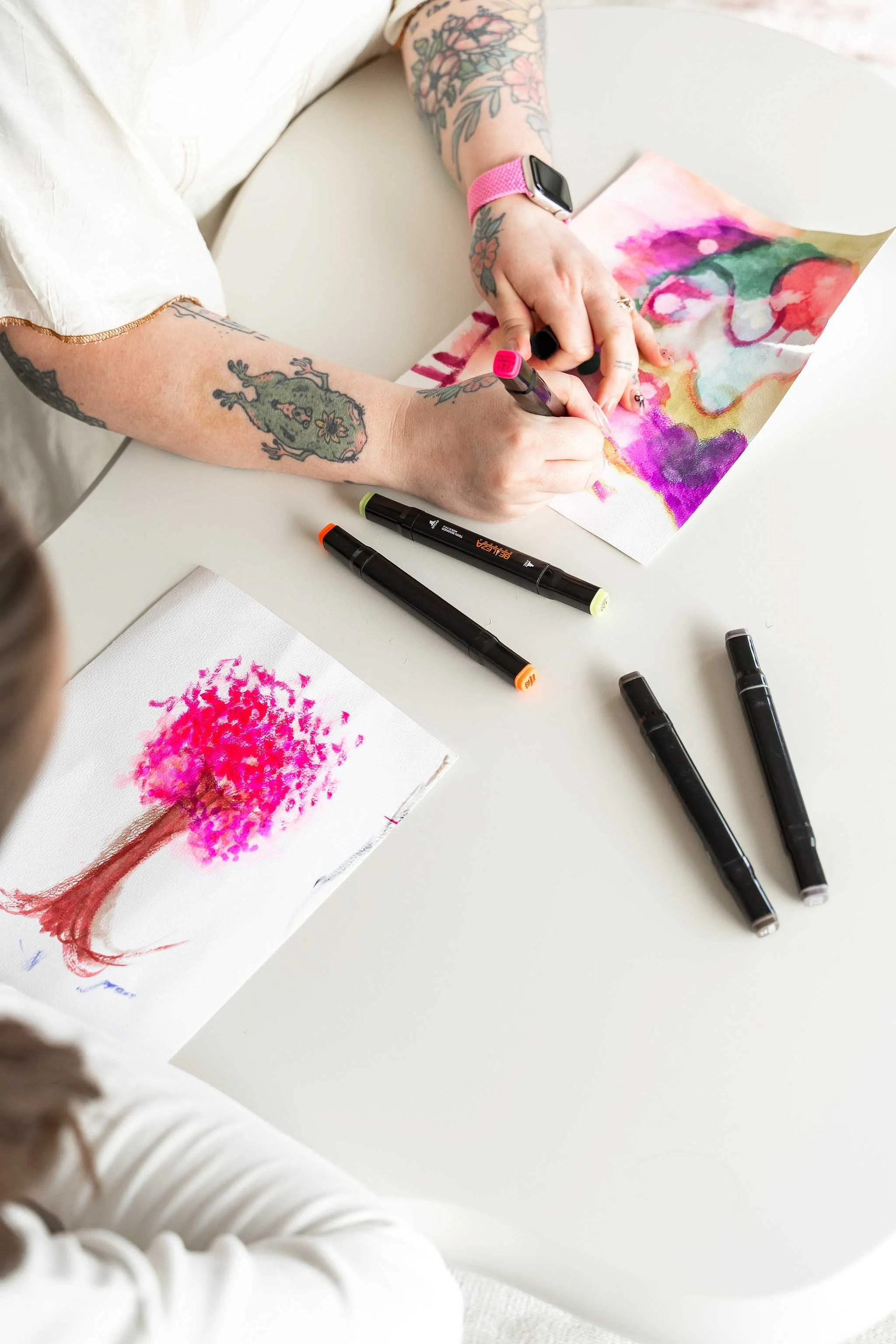
If your child is carrying something they can't quite talk about, art therapy gives them another way to let it out — safely, at their own pace, without the pressure of finding the right words. Our Calgary child psychologists offer a warm, creative space where the making does the talking, and where feelings that have felt too big to say can finally come out and start to feel lighter. Your child doesn't need to be good at art. They just need somewhere it's safe to be understood — and that's exactly what this is.