
Child Therapy in Calgary
Every Child Deserves to Feel Understood.
You know your child, and lately something feels off. The worries that won't settle, the meltdowns that come too easily, the withdrawal, the tears before school, the friendships that keep going wrong. Something is harder for them than it should be — and watching them struggle without quite knowing how to help is one of the hardest parts of being a parent.
Child therapy gives them somewhere to be met. Our Calgary child psychologists create a warm, safe space where your child can make sense of what they're feeling, build the skills to handle it, and start to feel like themselves again. We meet every child where they are — through play, talk, and whatever helps them open up — because a child is never the problem to be fixed. They're a person to be understood.
Understanding Child Therapy
What Child Therapy Actually Is.
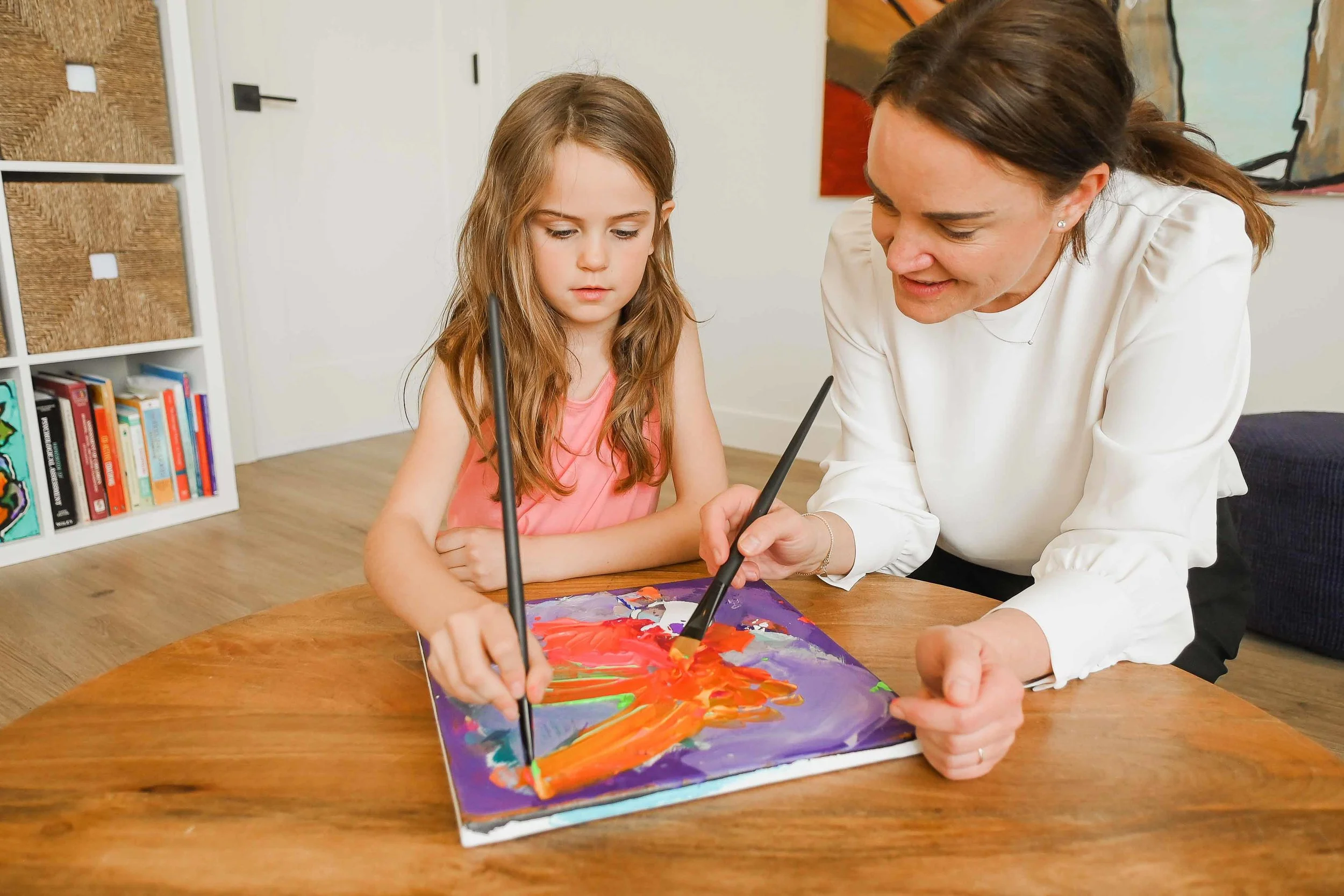
Child therapy is a warm, evidence-based process where a registered psychologist helps a child understand what they're feeling, build the skills to manage it, and work through whatever's making life hard. It looks nothing like an adult lying on a couch — it meets children where they are, through play, talk, art, and activities suited to their age, so opening up feels natural rather than daunting.
Underneath the different approaches, the goal is always the same: to help your child feel understood, grow more resilient, and feel like themselves again. And because a child doesn't exist in isolation, we support you alongside them — because lasting change happens at home as much as in our office. Your child is never the problem to be fixed. They're a whole person to be understood.
How Therapy Helps a Child
It starts with feeling safe and understood.Good therapy isn't about lectures or fixing behaviour. It works through relationship, safety, and skill — quietly, over time.
- A trusting relationship where a child feels genuinely heard
- A safe space to sort through confusing or heavy feelings
- Practical skills to manage worry, anger, and big emotions
- New ways to handle friendships, school, and setbacks
- A sense of themselves as capable, not as a problem
- Growing confidence that they can handle hard things
What It Helps With
Support for whatever your child is carrying.Children come to us for all kinds of reasons — some clear-cut, some just a sense that something isn't right.
- Anxiety, worry, and fears that won't settle
- Big emotions, anger, and frequent meltdowns
- Low mood, sadness, and withdrawing from things
- Friendship struggles and shaky social confidence
- Low self-esteem and harsh self-talk
- Family change, loss, or a frightening experience
Whatever your child is facing, therapy helps them feel less alone with it, build the skills to manage it, and rediscover the confident, capable child you know is in there. And you're supported alongside them, every step of the way.
Inside a Session
What Therapy Actually Looks Like.
If you're picturing a child on a couch being grilled about their feelings, it's nothing like that. Child therapy is warm, unhurried, and shaped around your child — here's how the work tends to unfold.
A Warm, Welcoming Space
A calm, friendly room with no pressure in the air — the kind of place a child can settle into and feel safe before anything else happens.
Building Trust First
The early sessions are about connection, not confession. A child opens up once they feel genuinely safe — so we let that relationship come first.
Meeting Them Where They Are
Play, art, games, or talking — whatever helps your child express themselves. The approach flexes to fit the child, never the other way around.
Understanding the Feelings
Gently making sense of what's going on underneath — naming it, untangling it, and helping your child feel less alone with whatever they're carrying.
Building Real Skills
Practical, child-friendly tools for managing worry, anger, and big feelings — strategies they can actually use at home, at school, and beyond.
Growing Confidence
Week by week, your child feels more understood and more capable — and you'll see it start to show up at home, not just in our office.
How We Help
Care Built Around Your Child.
There's no one-size-fits-all program here. We start by getting to know your child — their strengths as much as their struggles, their world, and what makes them tick — and shape the work around who they actually are. The approach is evidence-based and relationship-first, delivered in a way that feels warm and safe rather than clinical, because a child who feels understood is a child who can grow.
And we don't work with your child in isolation. We support you alongside them, because the changes that last are the ones that carry into home and everyday life. Whether it's anxiety, big feelings, wobbling confidence, or a hard time they're moving through, we help your child feel understood and build the skills to move forward — with you right beside them.
- Start by understanding your child — their strengths, not just their struggles.
- Match the approach to the child — play, talk, art, or a blend.
- Use evidence-based methods, delivered in a warm, child-friendly way.
- Build practical skills for anxiety, anger, and big emotions.
- Support you as a parent, so progress carries over at home.
- Keep your child at the centre — a person to understand, never a problem to fix.
Child Therapy in Calgary & Across Alberta
Support for Your Child, In Person or Online
Creative Sky Psychology provides child therapy from our Calgary clinic, with families travelling in from across the city and surrounding communities — and secure virtual appointments for families anywhere in Alberta. Whether your child is facing anxiety, big emotions, low mood, friendship struggles, or a hard time in their world, our Calgary child psychologists offer warm, evidence-based support that meets them where they are.
Neighbourhoods We Serve
- Aspen Woods
- West Springs
- Cougar Ridge
- Springbank Hill
- Wildwood
- Glenbrook
- Glendale
- Westgate
- Mount Royal
- Royal Oak
Virtual Child Therapy Across Alberta
Families throughout Alberta can access support through secure online sessions, so distance is never a barrier to your child getting help. For many school-age children, video works beautifully — and where a child does best in person, especially with more play-based work, our Calgary clinic is always here. We'll help you decide which fits your child, and you're welcome to mix the two.
Explore All Areas We ServeWhen There's More to Understand
Sometimes the Answer Is Understanding Why
Therapy helps an enormous amount — but sometimes, as we get to know your child, it becomes clear there's something worth understanding more fully. When the same struggles keep surfacing — with attention, learning, sensory overwhelm, or connecting with others — it can point to something an assessment is designed to answer, like ADHD, a learning difference, or autism. Knowing the why doesn't put a label on your child; it explains what's already there, so the support around them can finally fit. Where that would help, our psychologists can guide you toward the right assessment — and because it's all under one roof, nothing has to start over.
Resources
Explore Our Blog
Helpful articles about children's mental health — how to tell when a child could use extra support, talking to your child about therapy, helping an anxious or overwhelmed child at home, building emotional resilience, and knowing what's a phase and what's worth a closer look.
Read Our Articles
Our Team
Meet the Psychologists Behind Creative Sky
Our Calgary child psychologists bring diverse backgrounds, advanced training, and a shared commitment to thoughtful, evidence-informed care for children and families.
The right fit matters enormously in child therapy — a child does their best work with someone they genuinely warm to. We'll help you find the psychologist whose personality, expertise, and approach feel right for your child, so they feel comfortable from the very first session.

Child Therapy FAQs.
How Do I Know If My Child Actually Needs Therapy?
A good rule of thumb is whether something is getting in the way of your child's everyday life — their sleep, school, friendships, mood, or family life — and whether it's lasting rather than passing. A hard week is normal. A worry, sadness, or set of behaviours that sticks around, gets bigger, or keeps you up at night is worth taking seriously.
You also don't have to wait for things to reach a crisis. If your gut is telling you your child is struggling, that instinct is usually worth listening to — and an early conversation often means less work, not more. If you're unsure, reach out; we'll happily talk it through and give you an honest view on whether therapy would help.
What If My Child Doesn't Want to Go?
Very common, and not a problem. Lots of children arrive reluctant — worried they're in trouble, or that therapy means something is wrong with them. Our first job is simply to make it feel safe and unthreatening, which is why early sessions are about building a relationship rather than diving into anything hard. Most children warm up far faster than their parents expect.
It helps that the work meets children where they are — through play, art, and activities rather than a formal interview — so it rarely feels like the scary thing they imagined. And if a child stays genuinely resistant, we'll work with you on that too, because a reluctant child isn't a lost cause; it's just the starting point.
Will I Be Involved, or Do You Just See My Child?
You're very much involved — you're one of the most important parts of the work. Change lasts when it's supported at home, so we keep you in the loop, share strategies you can use day to day, and check in on how things are going. With children, therapy is a partnership between the child, the psychologist, and you.
The exact balance depends on your child's age and what they're working on. Younger children often need more parent involvement; older ones need a bit more privacy to feel it's genuinely theirs. We'll always be clear about how that works, so you never feel shut out or in the dark.
What Ages Do You Work With?
We work with children right across childhood, and we tailor the approach to the age. Child therapy generally suits school-age children, using a blend of play, talk, and creative work that fits where they're at developmentally.
If your child is younger or older, we have you covered too — we offer dedicated support for preschoolers and for teens, each with an approach suited to that stage. Whatever your child's age, we'll make sure they're seen by the right psychologist using the right approach for them.
What Kinds of Things Does Child Therapy Help With?
A wide range. Some of the most common are anxiety and worry, big emotions and anger, low mood and sadness, friendship and social struggles, low self-esteem, and coping with hard changes like a divorce, a move, a loss, or a frightening experience. We also support children through behaviour that's really communicating an unmet need.
Sometimes families come with something clear-cut, and sometimes just with a sense that their child isn't quite themselves. Both are completely valid reasons to reach out — you don't need a diagnosis or a label to benefit from support.
Will I Know What's Discussed in Sessions?
You'll be kept informed about how therapy is going, the themes we're working on, and how best to support your child at home — you won't be left guessing. At the same time, children (especially older ones) open up most when they trust that some of what they share stays between them and their psychologist.
So we strike a careful, age-appropriate balance: enough for you to genuinely support your child, while protecting the trust that makes therapy work. We'll always explain how confidentiality works for your child's age up front, and of course anything to do with safety is never kept from you.
How Long Will My Child Need Therapy?
It varies, and we won't pretend to know before we've met your child. Some children need only a short piece of work around a specific issue, while others benefit from longer, steadier support. A lot depends on what they're working through and the pace that feels right for them.
What we can promise is that we won't string it out. We'll review progress with you regularly, and we'll be honest when it feels like your child is ready to wrap up. The goal is always for your child to need us less over time, not more.
How Do I Explain Therapy to My Child?
Keep it simple, warm, and free of any sense that they're in trouble. Something like: "You're going to spend time with someone whose job is helping kids with big feelings and tricky stuff — you'll play and talk, and it's just for you." Framing it as help rather than a fix, and as normal rather than a punishment, takes most of the worry out of it.
It also helps to be honest and matter-of-fact — children take their cue from you, so if you're calm and positive about it, they usually relax too. And you don't have to get the words perfect; we're very used to helping children feel at ease, and we'll happily suggest ways to introduce it that suit your child.
Take the First Step
Your Child Doesn't Have to Struggle Alone.
If you've been watching your child struggle and not quite known how to help, you don't have to figure it out on your own. Our Calgary child psychologists help your child make sense of what they're feeling, build the skills to handle it, and start to feel like themselves again — with you supported every step of the way. Reaching out is often the hardest part, and the most important one. Every child deserves to feel understood, and that's exactly where we begin.