
Preschool Therapy in Calgary
Gentle Help for Your Littlest One.
The meltdowns that go from zero to a hundred in seconds. The tears at every drop-off. The bedtime fears, the biting, the tantrums no amount of reasoning can reach. At three or four, a child feels everything at full volume but has barely any words or tools to hold it — and that's genuinely hard, for them and for you.
Preschool therapy is gentle, play-based support made for the very youngest children. Our Calgary psychologists meet little ones through play — their natural language — and work closely with you, because at this age you're the most powerful part of the change. Together we help your child feel safe, build their first emotional skills, and help you feel steady again. A preschooler isn't "being difficult." They're telling you something, in the only way they can.
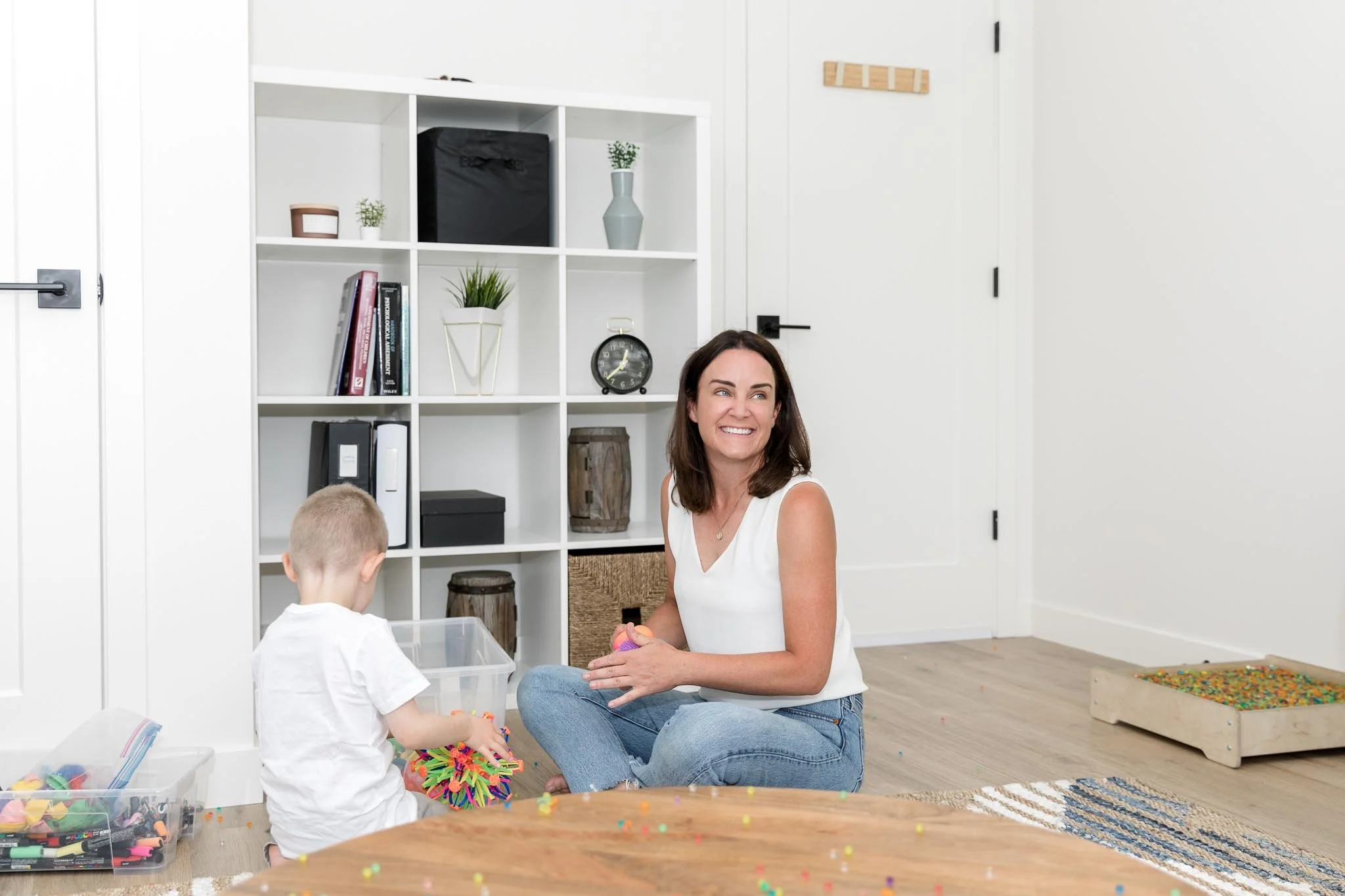
Understanding Preschool Therapy
What Preschool Therapy Actually Is.
Preschool therapy is gentle, play-based support made for the very youngest children, led by a psychologist who understands how little ones develop. It isn't sitting a three-year-old down to talk about their feelings — it meets them through play, their natural language, and works hand in hand with you, because at this age the bond between you and your child is where the real change happens.
The goal is warm and simple: to help your little one feel safe, build their very first tools for handling big feelings, and to help you understand what's driving the behaviour underneath. Because a preschooler's whole world revolves around their caregivers, much of the work supports and coaches you too. Your child isn't "being difficult." At this age especially, every behaviour is a form of communication.
How Therapy Helps a Little One
It works through play and connection.Support for the early years looks nothing like adult therapy — it meets a child where they naturally are, and leans heavily on you.
- Gentle, play-based sessions suited to how young children learn
- Real coaching for you — the most important person in their world
- Naming big feelings before they boil over into meltdowns
- Building the very first tools for calming and coping
- A warm, unhurried pace that never overwhelms a little one
- Understanding what the behaviour is really trying to say
What It Helps With
Support for the early years.Families bring us little ones for all kinds of reasons — sometimes something specific, sometimes just a sense that things are harder than they should be.
- Big tantrums, meltdowns, and hitting or biting
- Separation anxiety and tears at every drop-off
- Early fears, worries, and bedtime struggles
- Sleep, transitions, and big changes like a new baby or move
- Trouble calming down and settling their own body
- Adjusting to daycare, preschool, and early friendships
Whatever your little one is working through, gentle support helps them feel safe, learn to handle their big feelings, and thrive — while giving you the understanding and tools to help them at home, where it matters most.
Inside a Session
What a Session Actually Looks Like.
If you're picturing a tiny child being asked to talk about their feelings, it's nothing like that. Preschool therapy is warm, playful, and usually has you right there in the room — here's how the time together tends to unfold.
A Safe, Playful Space
A warm, welcoming room full of toys — the kind of place a little one wants to explore, where nothing feels scary or clinical.
Warming Up Gently
Little ones set the pace. There's no rush and no pressure — we take the time for your child to feel safe before anything else.
Learning Through Play
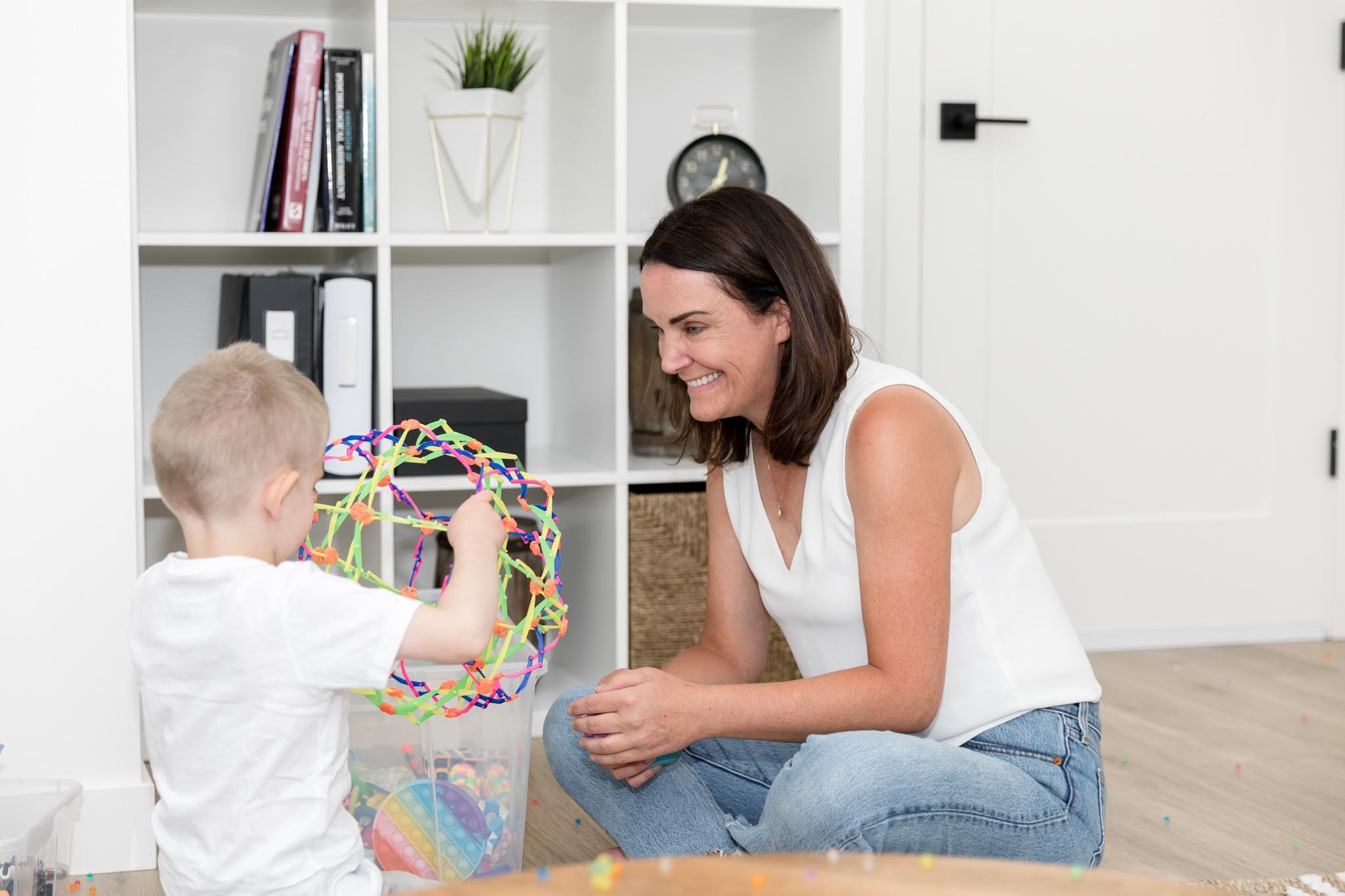
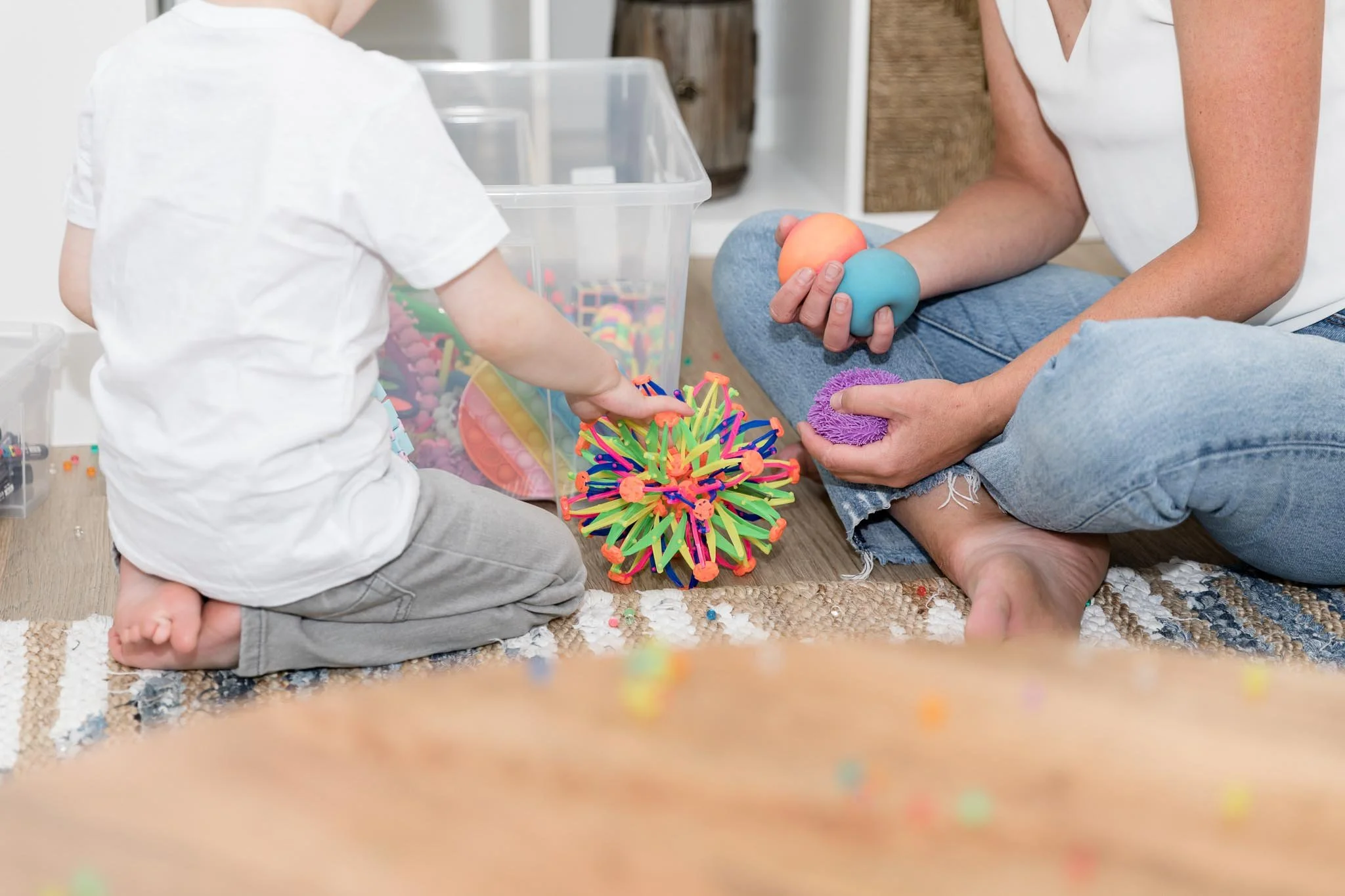
Play is how young children work things out. Through it, your child expresses what they can't say — and starts to make sense of it.
You're Right There Too
At this age you're central to the work, so you're often in the room — building your bond and learning what helps in the moment.
Naming Big Feelings
We gently help your child put words and understanding to enormous feelings — the first, crucial step toward managing them.
Tools You Take Home
You leave with gentle, practical strategies for the meltdowns, drop-offs, and bedtimes — so the calm carries into everyday life.
How We Help
Care Built Around Your Little One.
There's no one-size-fits-all program here. We start by understanding your child and your family — what's driving the behaviour, what your little one is finding hard, and what everyday life looks like at home. The approach is gentle, play-based, and developmentally right for the early years, delivered with real warmth. And crucially, we work hand in hand with you, because at three or four, you are the most powerful part of the change.
Much of the work is helping you understand and respond to your child's big feelings, alongside gentle play-based sessions for your little one. Whether it's tantrums, separation anxiety, sleep, or a big change, we help your child feel safe and build their very first emotional skills — while giving you the confidence and tools to help them at home, where it matters most.
- Start by understanding what's underneath the behaviour.
- Use gentle, play-based methods made for the early years.
- Coach and support you — the most powerful part of the change at this age.
- Build your little one's very first tools for calming and coping.
- Give you practical strategies for tantrums, drop-offs, and bedtimes.
- Keep your child at the centre — communicating, never "being difficult."
Preschool Therapy in Calgary & Across Alberta
Gentle Early-Years Support, Close to Home
Creative Sky Psychology provides preschool therapy for young children from our Calgary clinic, with families travelling in from across the city and surrounding communities. Whether your little one is struggling with big tantrums, separation anxiety, sleep, or a big change in their world, our Calgary psychologists offer warm, gentle, play-based support — and plenty of guidance for you.
Neighbourhoods We Serve
- Aspen Woods
- West Springs
- Cougar Ridge
- Springbank Hill
- Wildwood
- Glenbrook
- Glendale
- Westgate
- Mount Royal
- Royal Oak
Families From Across Alberta
For young children, the hands-on, play-based part of the work is best in person, so those sessions happen at our Calgary clinic. But so much of preschool support is coaching for parents — and that travels anywhere. Wherever in Alberta you are, we can often work with you virtually on the meltdowns, drop-offs, and bedtimes, whether alongside in-person sessions for your little one or as support in its own right. If you're outside Calgary, get in touch and we'll help make it work.
Explore All Areas We ServeWhen There's More to Understand
The Power of Understanding Early
Support helps an enormous amount — but sometimes, as we get to know your little one, it becomes clear there's something worth understanding more fully. When development seems to be following its own path — with talking, play, connecting, or handling everyday sensory life — an early assessment can gently make sense of it, and explore questions like autism or a developmental delay. At this age, understanding early is a genuine gift: it opens the door to the right support at exactly the stage it makes the biggest difference. It doesn't put a label on your child; it explains what's already there, so the help around them can truly fit. Where it would help, our psychologists can guide you toward the right assessment — all under one roof, so nothing has to start over.
Resources
Explore Our Blog
Helpful articles for parents of little ones — making sense of tantrums and big feelings, easing separation anxiety and drop-off tears, gentle bedtime and sleep strategies, what's typical and what's worth a closer look, and staying calm when your preschooler isn't.
Read Our Articles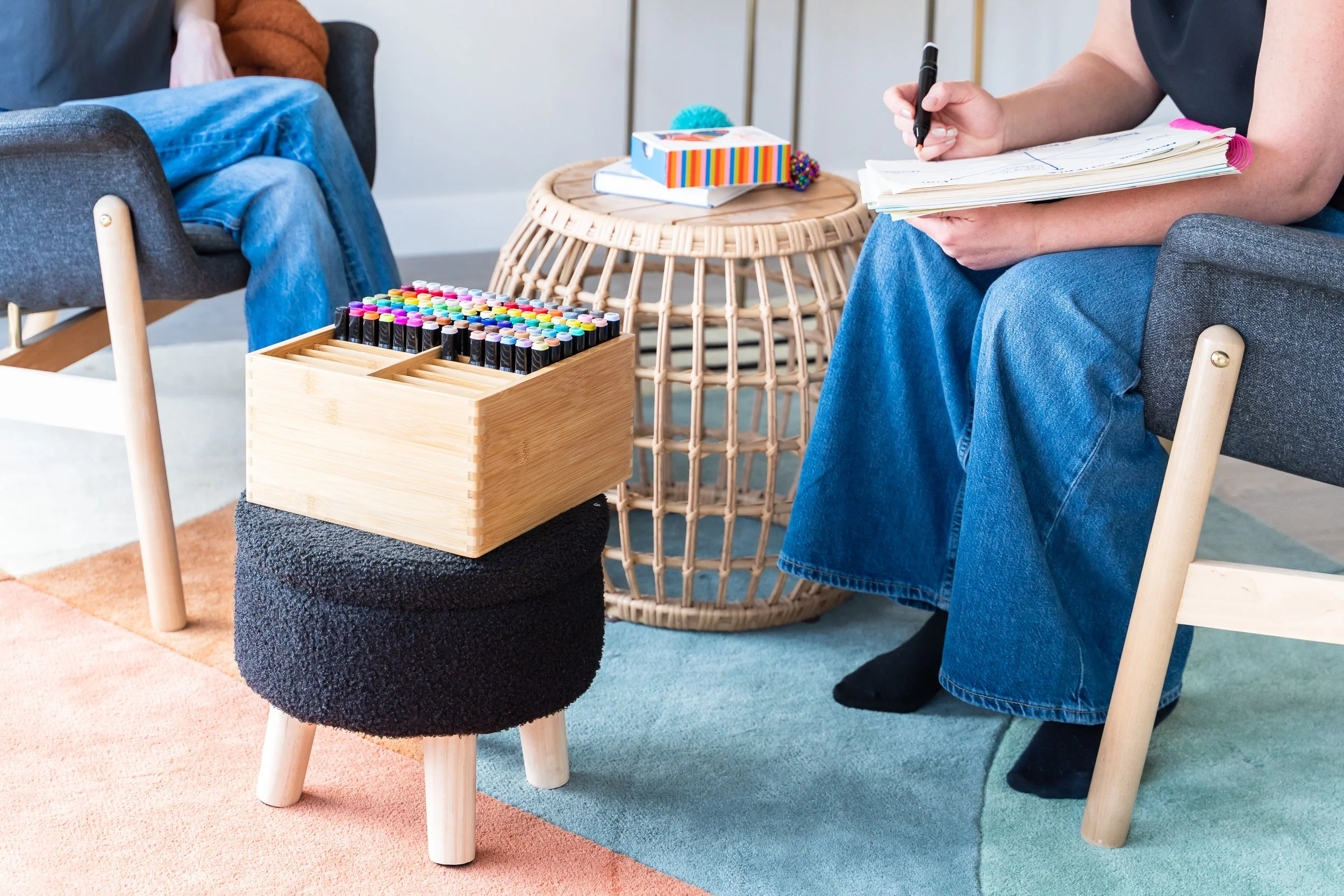
Our Team
Meet the Psychologists Behind Creative Sky
Our Calgary child psychologists bring diverse backgrounds, advanced training, and a shared commitment to thoughtful, evidence-informed care for children and families.
Working with the very youngest children takes a special kind of psychologist — one who's warm and patient, at ease on the floor among the toys, and just as skilled at coaching parents as at connecting with a little one. We'll help you find the person whose gentle, playful style feels right for your child and your family.

Preschool Therapy FAQs.
Isn't My Child Too Young for Therapy?
It's the most common worry, and the answer is no. Therapy for little ones looks nothing like adult therapy — there's no couch and no talking about feelings on demand. It's gentle, play-based, and often centred on coaching you, so it fits exactly where your child is developmentally.
In fact, the early years are one of the most powerful times to get support. Young brains are wonderfully adaptable, and small, well-timed help now can steer things in a better direction before patterns settle in. You're not overreacting by seeking support early — you're doing something genuinely valuable.
Isn't It Just a Phase They'll Grow Out Of?
Often it is — a great deal of what young children do is a passing stage, and not everything needs professional help. What's worth a closer look is when something is intense, lasting, and getting in the way of daily life: meltdowns that dominate the day, anxiety that isn't easing, sleep that's genuinely disrupted, or behaviour that's leaving everyone worn out.
You know your child better than anyone. If your gut keeps telling you this is more than a phase, that instinct is worth listening to — and there's no harm in checking. A short conversation is often enough to know whether to wait it out or lend a hand, and we'll give you an honest view either way.
How Is Preschool Therapy Different From Just Playing?
It looks like play because play is how young children think, communicate, and work things out — but there's a trained psychologist shaping it with purpose. They know how to read what your child is expressing, respond in ways that build safety and skills, and gently guide the play toward what your child is struggling with.
Just as importantly, preschool therapy weaves in real support for you — helping you understand the behaviour and giving you strategies for home. So it's not just playtime; it's play with a purpose, plus a plan that reaches beyond the session and into everyday life.
Will I Be Involved, or Do You Just See My Child?
You're deeply involved — at this age, more than at any other. A three- or four-year-old's world revolves around their caregivers, so you are the most powerful part of the change. Much of the work is with you: understanding what's driving the behaviour and giving you gentle, practical tools for the meltdowns, drop-offs, and bedtimes.
You'll often be right there in the room during sessions too, so the connection between you and your child is part of the healing. This isn't therapy that happens to your child behind a closed door — it's a partnership, with you at the centre of it.
What Kinds of Things Do You Help Little Ones With?
A wide range of early-years struggles. Some of the most common are big tantrums and meltdowns, hitting or biting, separation anxiety and tears at drop-off, early fears and worries, bedtime and sleep battles, and trouble calming down and settling their own body. We also support little ones through big changes — a new baby, a move, starting daycare, or a family separation.
Sometimes families come with something specific, and sometimes just with a sense that everyday life feels harder than it should. Both are completely valid reasons to reach out — you don't need a diagnosis or a dramatic reason to want a bit of support.
What If My Child Won't Cooperate or Sit Still?
That's completely fine — in fact, we'd be surprised if a preschooler sat still and did as they were told. Little ones are meant to wriggle, wander, test limits, and warm up in their own time, and our psychologists are very used to it. There's nothing your child can do "wrong," and there's no behaviour that will throw us off.
We follow your child's lead and let them set the pace, so sessions bend around who they are rather than expecting them to perform. A reluctant, busy, or shy little one isn't a problem for this work — it's simply the starting point, and often part of what tells us how best to help.
Could There Be Something Bigger Going On?
Sometimes, and it's a fair thing to wonder. Most early struggles are just the ordinary intensity of being little — but occasionally they're an early sign of something worth understanding more fully, like a developmental difference, autism, or sensory needs. That isn't a scary conclusion; at this age it's a genuinely helpful one, because early understanding opens the door to the right support at the stage it makes the biggest difference.
If your instinct keeps nudging you that something's different about how your child is developing — with talking, playing, or connecting — it's worth a gentle conversation. We can help you figure out whether it's simply time and support that's needed, or whether an assessment would bring useful clarity.
How Long Will My Child Need Support?
It varies, and we won't guess before we've met your family. With little ones, support is often shorter than parents expect — because young children respond quickly, and because a few well-placed changes at home can shift things surprisingly fast. Some families need only a handful of sessions around a specific struggle; others benefit from a little more.
What we can promise is that we won't drag it out. We'll check in with you regularly, and we'll be honest when it feels like you and your little one are ready to carry on without us. The goal is always to leave you feeling more confident and your child feeling more settled.
Take the First Step
You Don't Have to Do This Alone.
Parenting a little one through such big feelings is genuinely exhausting, and you don't have to figure it all out on your own. Our Calgary psychologists offer gentle, play-based support for your child and real, practical guidance for you — so the meltdowns, drop-offs, and bedtimes start to feel more manageable, and your little one feels safe and understood. Reaching out this early isn't overreacting. It's one of the kindest, most powerful things you can do for your child — and for yourself.