
Toddler & Preschool Emotion Regulation
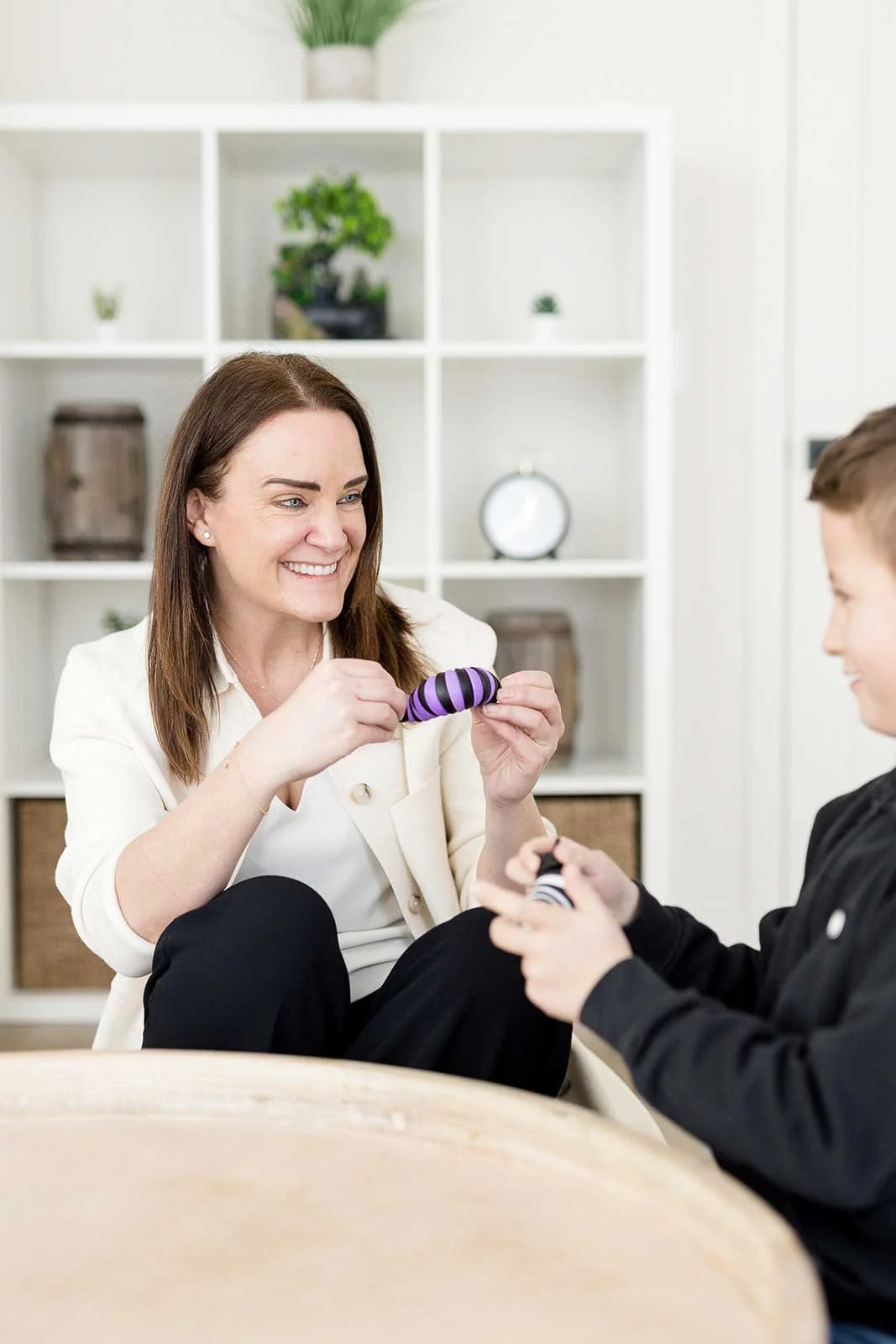
When Big Feelings Feel Too Big
Toddlers and preschoolers are learning how to exist in the world — and their feelings often show it. One moment they’re joyful, the next they’re on the floor, overwhelmed and undone.
Emotion regulation at these ages isn’t a skill they should have already; it’s a skill they’re still building. Many families begin exploring support after challenges with Separation Anxiety, Sleep Challenges, or early Sensory Difficulties appear.
Emotion Regulation In Early Childhood
Young children express emotions with their whole body. Parents may notice:
Sudden meltdowns without obvious triggers
Difficulty with transitions or shared attention
Intense reactions to “no” or disappointment
Hitting, biting, or throwing when overwhelmed
Shutting down or hiding when unsure
Difficulty following routines or directions
These behaviours can feel confusing, but they are developmentally common patterns — especially in children who also experience Strong-Willed Behaviour, sensory sensitivity, or early anxiety.
The Early and Emotional Development Between Ages 2-5
This is a foundational stage for:
Naming emotions
Practicing calming strategies
Understanding cause and effect
Building frustration tolerance
Learning to wait and share
Beginning problem-solving
When these skills develop unevenly, children may struggle with routines, play, or social interactions — sometimes leading families to explore Social Skills or early Executive Functioning support.
Why Toddlers And Preschoolers Get Overwhelmed Easily
Little brains work hard. Their language skills are still growing, impulse control is limited, and their nervous system processes everything intensely. When emotions surge, toddlers often feel lost. For some children, this overwhelm is intensified by traits connected to Anxiety, Autism & Neurodivers
Preschoolers often react strongly to things adults don’t expect. Some hidden stressors include:
Sudden noise or sensory overload
Fatigue or hunger
Unpredictable transitions
Social misunderstandings
Pressure to perform or keep up
A new sibling, new daycare, or new routine
These experiences may also show up in patterns similar to Emotional Outbursts, Childhood Phobias, or early avoidance during challenging tasks.
How Therapy Supports Regulation
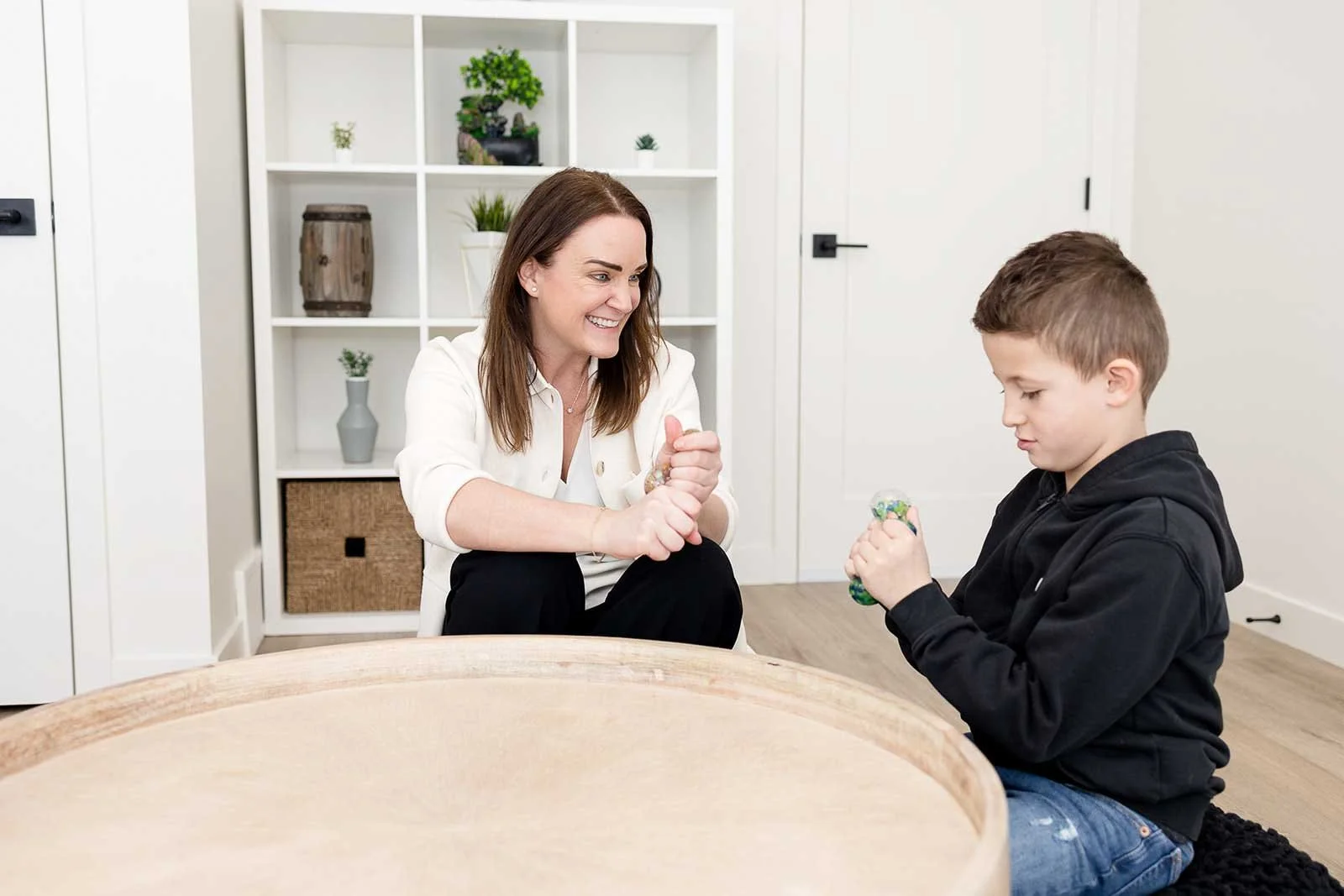
Therapy at this age is playful, sensory-rich, and developmentally attuned. We focus on:
Identifying emotions through stories and play
Practicing calming strategies
Strengthening coping and communication
Building frustration tolerance and flexibility
Supporting smoother transitions
Helping children feel safe, confident, and understood
Sessions often include elements from Play Therapy, Art Therapy, and sensory regulation approaches tailored to young nervous systems.
Supporting Parents Along The Way
Parents aren’t expected to figure this out alone. Parent sessions help you:
Understand what triggers overwhelm
Set boundaries that reduce escalation
Create predictable routines
Support transitions more smoothly
Respond calmly when emotions peak
Use language that helps your child feel safe
These foundations often overlap with strategies used in Parent Counselling, especially when emotions affect the whole household.
Everyday Tools That Help Toddlers And Preschoolers Cope
Small, consistent approaches make the biggest difference:
Prepare your child for changes ahead
Use simple, clear instructions
Offer choices to support autonomy
Build in sensory breaks
Label emotions during calm moments
Slow the moment down when overwhelm rises
These strategies complement the work done in therapy and pair well with approaches for Strong-Willed Children or early anxiety patterns.
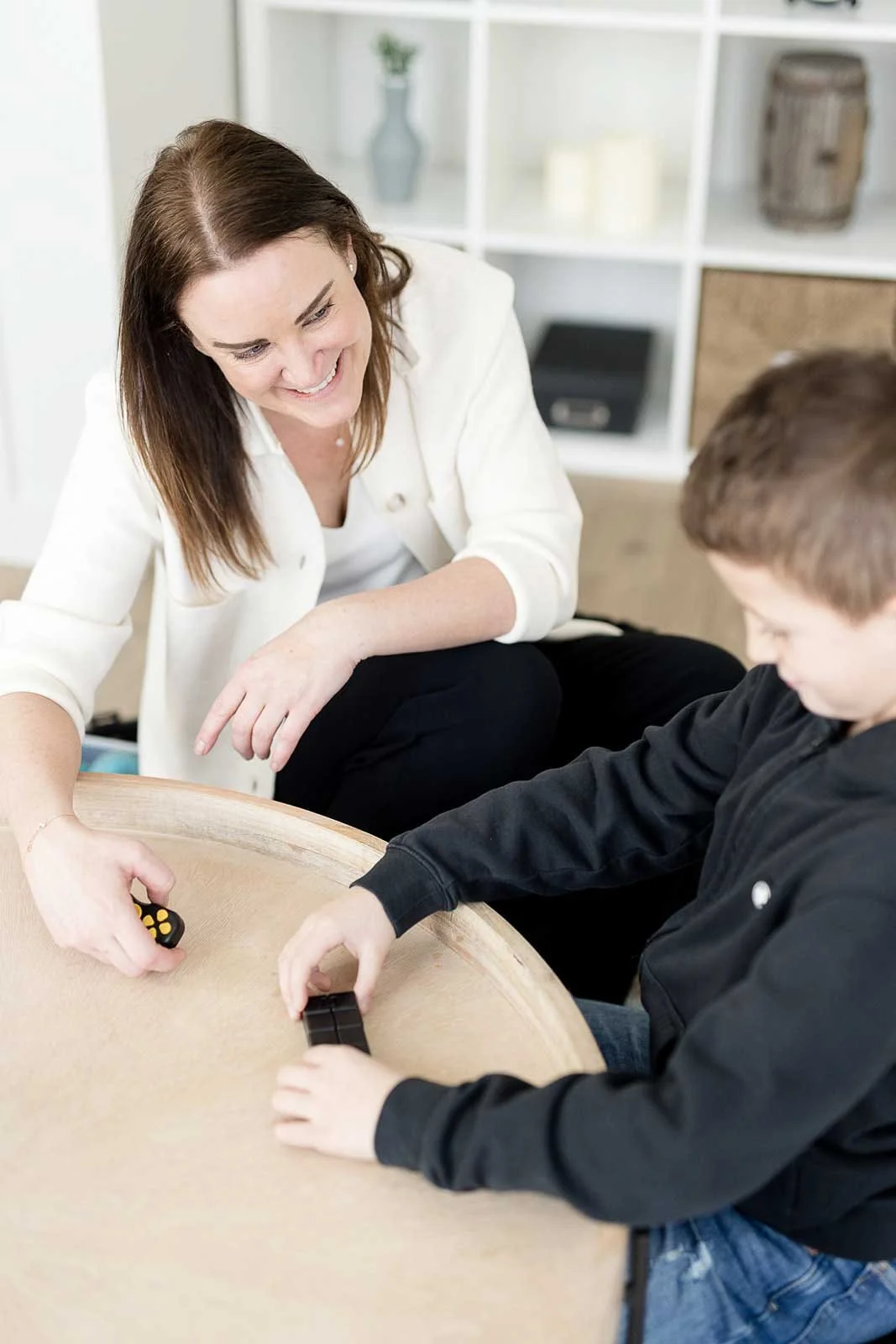
Sessions are playful, warm, and child-led. You may see:
Sensory bins, art materials, or story-based activities
Games that teach waiting, sharing, or flexibility
Co-regulation practice with the therapist
Parent participation (when helpful)
Gentle modelling of emotional language
Everything is designed to help your child feel safe, connected, and capable — whether they are shy, energetic, sensitive, or strong-willed.
We Are Here For Your Child’s Emotional Future
Emotion regulation develops slowly — but with the right support, toddlers and preschoolers learn to feel more grounded, more confident, and more capable of navigating the big emotions growing inside them. If your child is melting down daily, struggling with routines, or feeling overwhelmed, support now can create lifelong emotional foundations.
We’re here to help you and your little one breathe a little easier and move toward calmer days.
📍 2005 – 37 St SW, Unit #5, Calgary
📞 587-331-4464
Frequently Asked Questions (FAQS)
-
Some big feelings are expected in early childhood. Support may help if meltdowns are intense, daily, difficult to soothe, or impacting family routines. These patterns often overlap with early Sensory Challenges or emerging anxiety.
-
No. The goal is not to make your child “less sensitive” or “more compliant.” Therapy helps your child feel safe, understood, and equipped with regulation tools — while honouring their curious, spirited personality.
-
Yes — in playful, developmentally appropriate ways. Children learn through repetition, modelling, movement, and sensory experiences. Tools practiced in therapy often show up naturally in moments of frustration or stress.
-
This is completely normal. Many toddlers and preschoolers need time to adjust. Therapists use gentle, sensory-rich activities that help children engage at their own pace. Warm-up time is expected and welcomed.
-
Often yes. Parent participation is flexible and depends on your child’s needs. Some sessions include co-regulation or modelling, while others focus solely on your child. Parent-only sessions are also available for deeper guidance and support.