
Separation Anxiety in Children
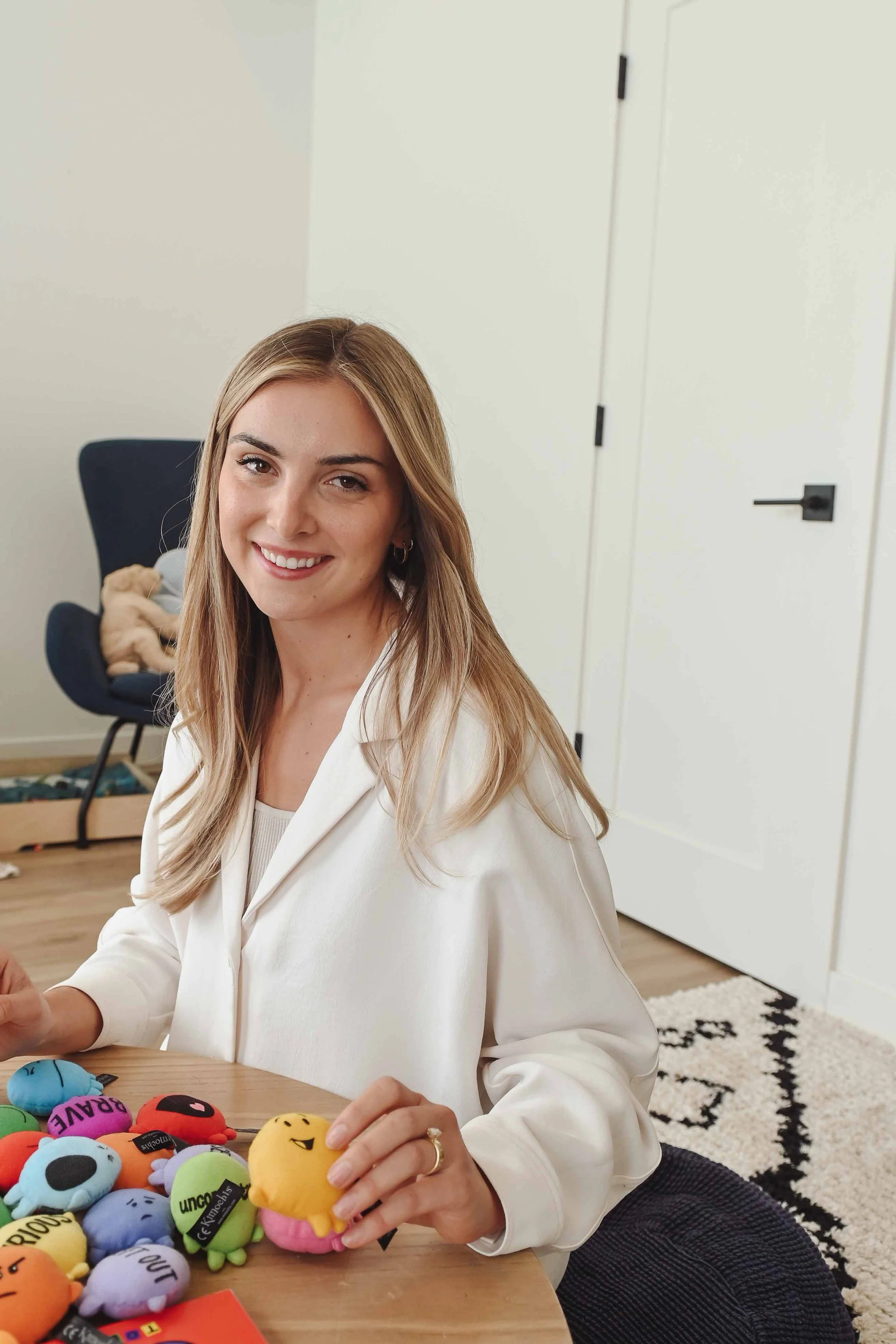
When saying goodbye becomes overwhelming for your child.
Separation anxiety is one of the most common worries in childhood — especially during preschool years, school transitions, after holidays, or any change in routine. For some children, goodbyes feel manageable; for others, the fear is so intense that drop-offs, bedtime, or even moving from one room to another becomes a daily struggle.
At Creative Sky Psychology, we help children understand what their anxiety is trying to protect them from, and we help parents find calm, predictable ways to support their child through these moments. Our approach blends developmental science, child-friendly calming strategies, and parent guidance that fits real life.
What Separation Anxiety Looks Like in Everyday Life
For many families, separation anxiety doesn’t always look like “fear.” It often shows up in ways that feel confusing or unexpected. Quick signs parents notice include:
Intense crying or clinging during drop-offs
Difficulty falling asleep unless a parent stays close
Complaints of stomachaches or headaches before school
Worrying about a parent’s safety
Refusing to be in a different room alone
Meltdowns the moment you pick up keys, shoes, or bags
Difficulty with babysitters, grandparents, or new environments
Children experiencing separation anxiety aren’t being dramatic. Their nervous system is signaling, “I’m not safe without you.” This fear can be especially strong for Slow-To-Warm Children, or kids who thrive on consistency and predictability. For some, separation anxiety connects to their High Sensitivity, making transitions feel bigger and louder in their body. Others show their distress through Emotional Outbursts, which can be confusing because it looks like anger rather than fear.
Understanding these patterns is the first step toward helping your child feel more confident and capable.
How We Support Children With Separation Anxiety
Our approach is warm, playful, and grounded in evidence-based strategies. We focus on helping children understand what they’re feeling — and helping parents feel more confident during difficult moments.
Step 1 — Understanding Your Child
We begin by exploring your child’s temperament, developmental stage, daily routines, attachment patterns, and any situations that might be elevating their anxiety. For toddlers and preschoolers, this often overlaps with Emotion Regulation Difficulties, especially when big feelings overwhelm their ability to cope.
Step 2 — Child Sessions
Children build coping skills through:
Play-based therapy
Gradual exposure strategies
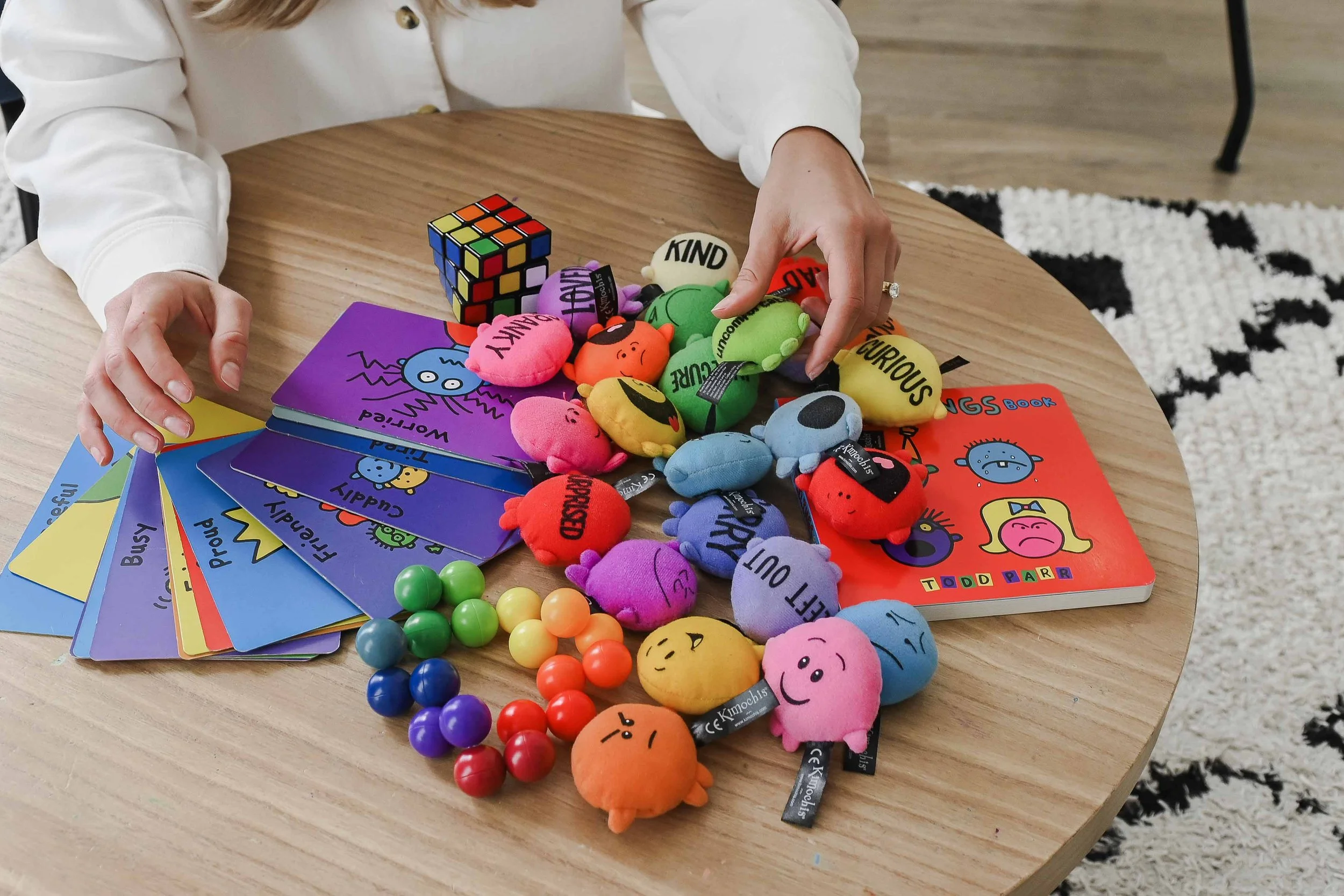
Stories and visual tools
Grounding and calming techniques
Building bravery in small, safe steps
These strategies help children move from fear to confidence — and from clinging to exploring.
Step 3 — Parent Sessions
Parents play a core role in separation anxiety treatment. You’ll learn:
How to respond to clinginess without reinforcing fear
What to say during drop-offs
How to support nighttime separation
How to prepare for transitions
How to reduce morning meltdowns
How your own nervous system impacts theirs
This naturally integrates with Parent Counselling when families want extra support navigating stress, burnout, or family routines.
Step 4 — A Gradual Plan That Fits Your Child
No “cold turkey” approaches. No forced separations. Just a step-by-step plan that helps your child feel braver — at their pace.
Separation Anxiety at Preschool and School Age
Preschool and kindergarten are common times for separation anxiety to peak. Young children are still building the skills needed for independent transitions, and many rely heavily on predictable routines for a sense of safety.
For families already working on Preschool Therapy, separation anxiety can become a key part of treatment — especially for children who struggle with new environments, sensory demands, or big emotional reactions.
Our therapists collaborate with caregivers and teachers to help your child feel confident both at home and at school.
Why Some Children Struggle With Separation
Separation anxiety often appears during developmental leaps, like when children first enter preschool or kindergarten, after stressful events or changes, or when routines shift. It is also a common occurrence when a child is naturally sensitive or cautious or when anxiety runs in the family (a common pattern).
Some young children also struggle with separation at bedtime. Many parents notice that nighttime is when worries grow louder, especially in children who are prone to Bedtime Anxiety or who already find transitions challenging.
For other children, separation anxiety shows up as panic-like reactions — sudden crying, freezing, or refusing to get out of the car. These fear responses can build into Morning Struggles or School Refusal when support isn’t available early enough.
The good news: separation anxiety is very treatable with the right tools and gentle, consistent support.
How Parents Can Support Separation Anxiety at Home
Parents often notice that the hardest moment is not the separation itself — it’s the anticipation leading up to it. The crying, clinging, or refusal behaviours are your child’s way of saying, “I don’t know how to do this yet.”
Strategies we commonly teach include:
Creating predictable rituals
Practicing small separations at home
Modelling calm confidence
Supporting your child’s nervous system before transitions
Preparing for bedtime separations in gentle steps
Co-regulating during difficult moments
These skills become especially important for families navigating Toddler and Preschool Emotion Regulation, where anxiety and big feelings often overlap.
If your child’s anxiety is:
Lasting longer than four weeks
Impacting school or friendships
Causing physical symptoms
Leading to daily meltdowns
Preventing sleep
Disrupting family routines
Your child may benefit from therapy focused on Child Anxiety, Emotional Regulation, and Parent Support. You’re not alone — and separation anxiety is highly responsive to early, compassionate intervention.
When Separation Anxiety Shows Up as Something Else
Many children don’t say, “I’m scared to be away from you.” Instead, their anxiety disguises itself.
Emotional Outbursts
Children who feel overwhelmed by separation often experience Emotional Outbursts in the moments leading up to goodbyes. The fear is the root; the behaviour is the surface.
Sleep Challenges
Nighttime separation can trigger anxiety in children who worry about being alone or who need extra support settling themselves. This can overlap with Sleep Challenges, especially for children with sensitive nervous systems.
Strong Sensitivities
Children who are Highly Sensitive or naturally cautious may feel separation more intensely. Their system registers changes as “danger,” even when nothing is wrong.
Slow-to-Warm Temperament
Slow-to-warm children often need more time to trust new adults or environments. When pushed too quickly, separation anxiety increases.
Panic Responses
Some children experience fear so strong it looks like panic — freezing at the classroom door or crying uncontrollably. These Panic Reactions aren’t behavioural; they’re physiological.
Each of these patterns is addressed with gentle, stepwise strategies that support confidence and autonomy.

Ready for Support?
Your first session is gentle and grounding. We’ll take time to understand what mornings, bedtime, or transitions have really been like for your child, and you’ll have space to share the moments that feel the hardest. Your therapist will help you make sense of your child’s reactions through a developmental and anxiety-informed lens, offering clarity about what’s happening beneath the surface. Together, you’ll create a simple plan for the week ahead — small steps that help your child feel braver and help you feel more prepared. Most parents leave the first session with a sense of relief, knowing they finally have a path forward.
If separation anxiety has begun to shape your family’s days, support can make all the difference. Our team is here to help your child feel safe, confident, and understood — and to help you navigate these moments with more calm and clarity.
📍 2005 – 37 St SW, Unit #5, Calgary
📞 587-331-4464
Frequently Asked Questions (FAQS)
-
Separation anxiety is a normal developmental stage, but when it becomes intense or long-lasting, support can make a meaningful difference.
-
Absolutely. Toddlers and preschoolers are the group most affected by separation anxiety, and early help leads to calmer, more confident transitions.
-
No — but we guide you in approaching them gradually, gently, and in a way that builds your child’s confidence.
-
Many families see improvement within 6–10 sessions.