
Shy Temperament: Understanding Your Child’s Quiet Nature
What Is a Shy Temperament?
Some children move through the world gently. They hang back before joining a group, observe before participating, and need time to warm up to new people or situations. This quieter rhythm is not a flaw — it’s a temperament style. Children with a shy temperament tend to feel deeply, think carefully, and approach life more slowly than their peers.
At Creative Sky Psychology, we support children who feel overwhelmed in groups, clingy in new places, or hesitant when asked to speak up. Many also experience threads of Social Anxiety, Friendship Challenges, or Emotion Regulation Difficulties, and thrive when given the right tools.
Early Indications of Shy Temperament
Some children show early patterns that hint at a naturally cautious way of moving through the world.
Hesitating before entering groups or new play settings
Observing quietly before participating
Clinging to caregivers during transitions
Speaking softly or avoiding eye contact with unfamiliar people
Getting easily overwhelmed in busy or noisy environments
These behaviours don’t necessarily signal a problem — but they do help you understand your child’s unique style.
What Makes Shy Kids Feel Overwhelmed?
Shy children often struggle when their environment moves too quickly or demands more confidence than they feel ready to show.
New or unpredictable social situations
Large groups or unfamiliar peers
Being asked to perform or answer questions on the spot
Sensory overstimulation
Feeling rushed or pressured to “be brave”
Sometimes these challenges overlap with related concerns such as Anxiety, Panic Episodes, or School-Related Stress, which we support through warm, developmentally grounded care.
Why Shyness Is Not a Problem to Fix
A shy temperament is not the same as anxiety, avoidance, or withdrawal. It’s simply a way of being. Children who move quietly often have incredible strengths — deep empathy, rich imagination, strong intuition, and an ability to notice details others overlook.
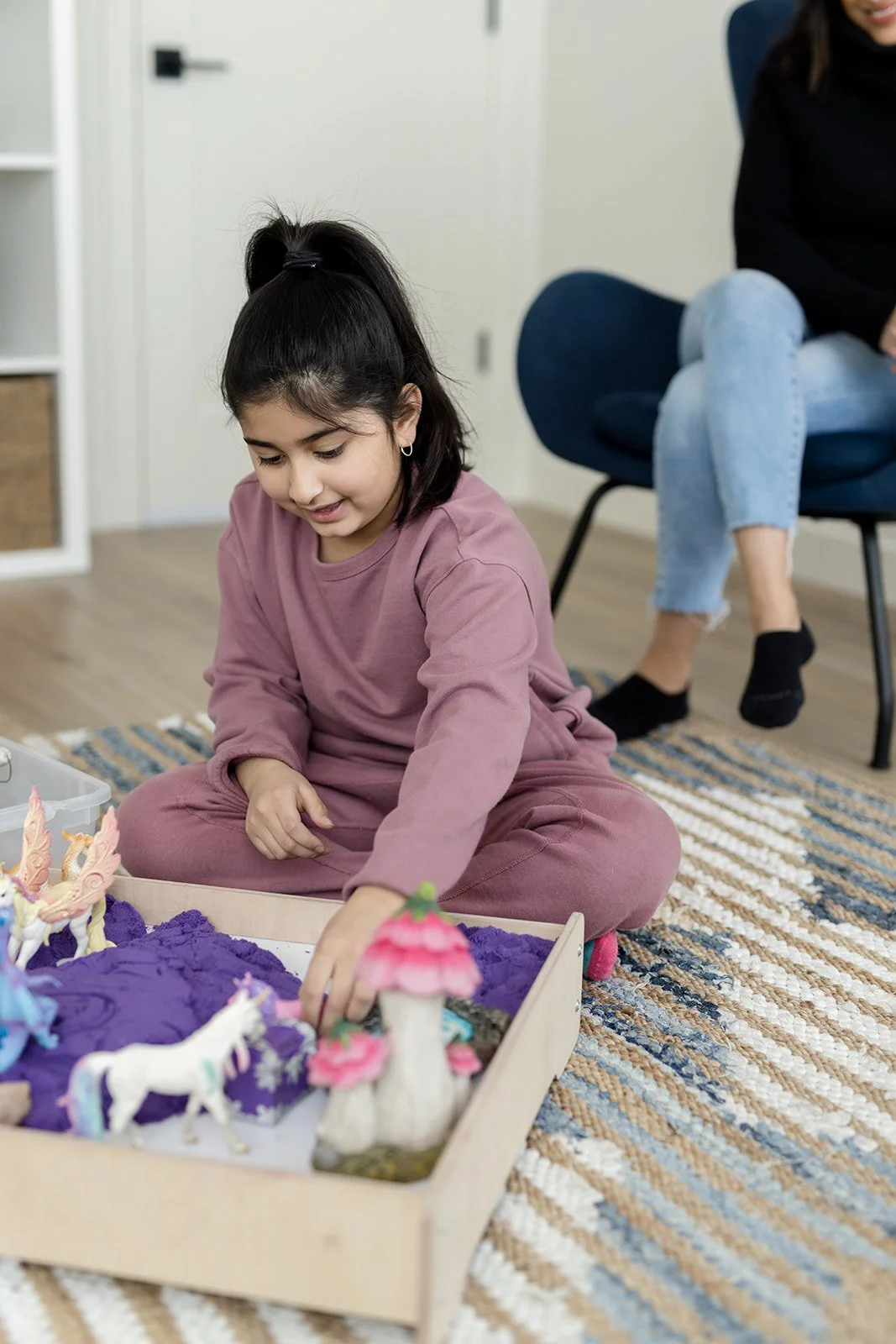
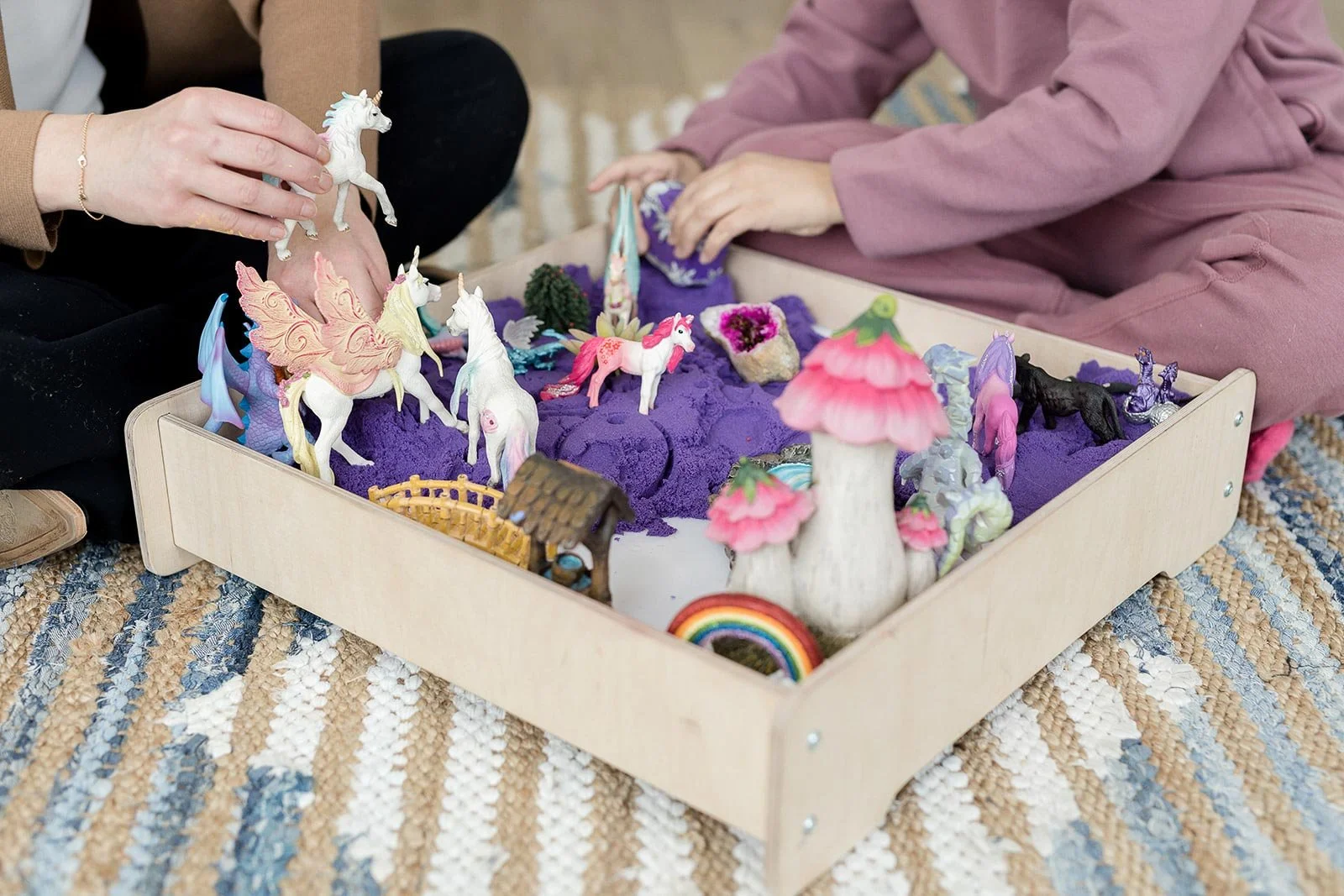
Therapy isn’t about changing who they are. It’s about helping them feel safe being themselves while navigating situations that feel hard. Our child-focused approach blends Play Therapy, CBT For Kids, and supportive parent guidance to build confidence without pushing too fast.
When shyness begins to affect your child’s ability to take part in activities they want to enjoy, it becomes more than a temperament trait — it becomes a barrier. Some children avoid birthday parties even though they want to attend. Others freeze when teachers ask questions or withdraw during group work. You may see your child upset after school, but unsure how to explain what felt overwhelming.
Understanding these patterns early helps prevent snowball effects such as loneliness, frustration, or growing self-doubt.
Strengths of a Shy Temperament
Your child has a quiet toolkit filled with strengths that deserve to be noticed.
Deep sensitivity to others’ emotions
Extreme situational awareness
Natural thoughtfulness
Careful decision-making
Strong one-to-one connection skills
A rich inner world and creativity
Ability to observe, reflect, and understand social dynamics/surroundings
These strengths help guide therapy goals and shape a support plan tailored to your child’s gentle nature.
How Therapy Helps Shy Children Grow
Our work focuses on helping your child build confidence while honouring their temperament.
Creating slow, predictable warm-ups to reduce anxiety
Practising brave behaviours in achievable steps
Role-playing social situations
Supporting communication skills through play therapy
Helping parents respond in ways that feel encouraging, not pressuring
We also weave in tools from Emotion Regulation Therapy, Social Skills Support, and Anxiety Therapy when helpful.
How Parents Can Support a Shy Child at Home
You play a central role in your child’s confidence. Small, everyday interactions can help them feel brave in safe, gradual ways.
Modelling gentle encouragement, validating their feelings, and offering predictable routines can help them feel more secure. Avoiding pressure phrases (“just go say hi!”) and shifting toward invitation-based language can make a world of difference. When needed, our Parent Counselling sessions help tailor strategies to your child’s personality.
Sometimes shyness looks like — or turns into — something else: Anxiety, Social Avoidance, Panic Episodes, School Refusal, or Friendship Struggles.
We help parents understand the difference and determine whether your child would benefit from supports like Social Anxiety Therapy, Coping Skills Coaching, or Early Intervention. Warm assessment and observation help us create a plan that feels personalized and empowering.
A Gentle Path Forward
Your child doesn’t need to be louder or bolder — they just need space to grow at their own pace. With the right support, shy children bloom beautifully.
At Creative Sky Psychology, we honour your child’s quiet magic and help them develop confidence that feels natural, steady, and true to who they are.
📍 2005 – 37 St SW, Unit #5, Calgary
📞 587-331-4464
Frequently Asked Questions (FAQS)
-
Shyness is a temperament trait; social anxiety involves fear, avoidance, and distress that get in the way of daily life. In therapy, we help determine which one your child is experiencing.
-
Sometimes — especially if your child avoids situations they secretly want to participate in. Support can prevent shyness from becoming anxiety.
-
No. Therapy supports confidence, coping, and social comfort while honouring your child’s natural temperament.
-
Yes — especially when it’s done gently, playfully, and at their pace. Social skills support helps shy kids feel more prepared.
-
Parents are deeply involved. Together we shape strategies that work at home and help your child feel secure in new or challenging situations.