
Childhood Phobias | Calgary Child Anxiety & Fear Support
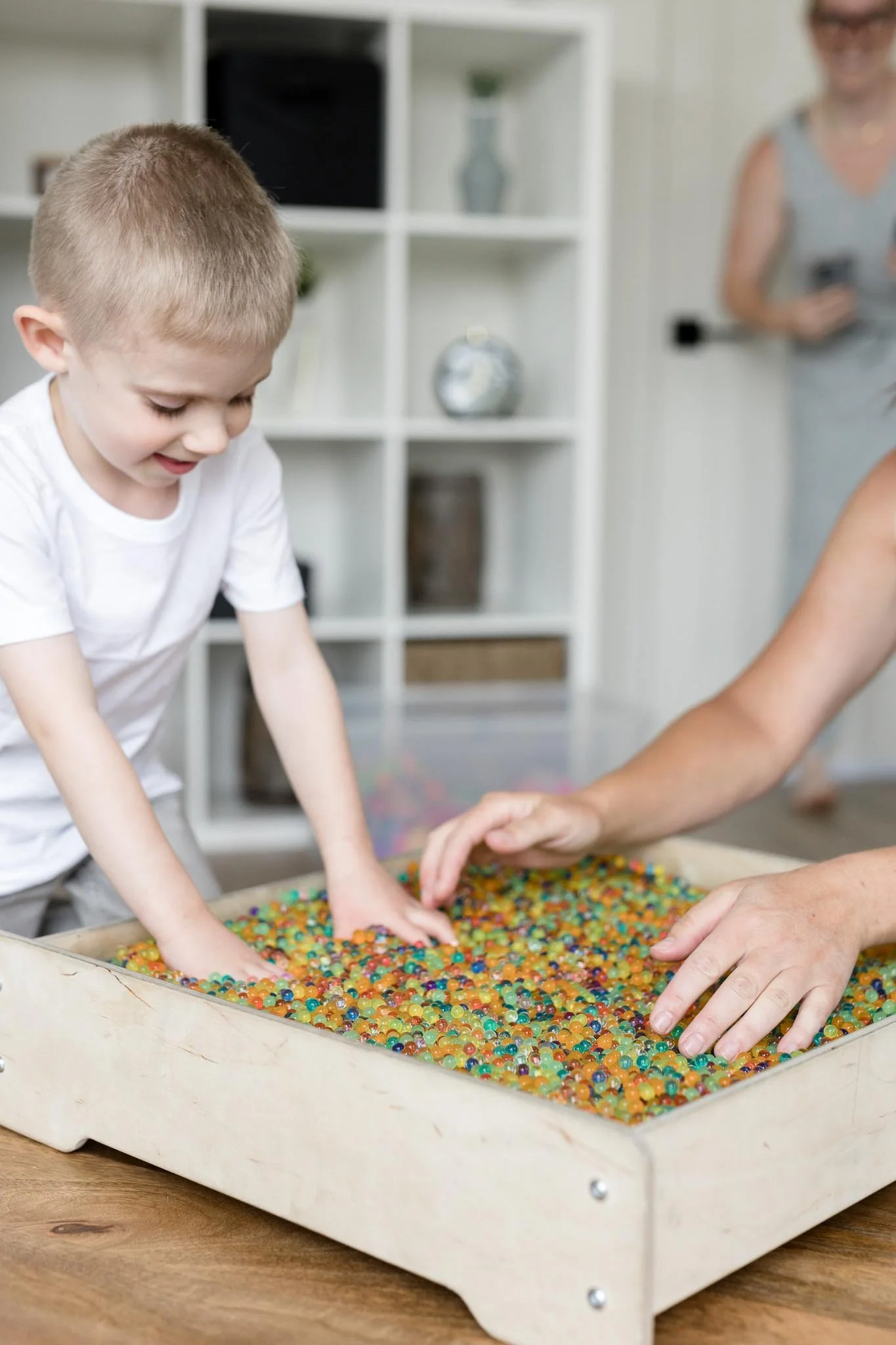
When a fear feels bigger than what your child can handle
Every child feels scared sometimes — shadows in the hallway, loud dogs at the park, or the idea of sleeping alone. But for some children, fear becomes so big that it takes over. One small trigger can lead to tears, shaking, freezing, hiding, or refusing to go places they used to enjoy. Parents often wonder how something “small” could create such a huge reaction — and what to do when nothing seems to help.
Phobias in children are common and deeply tied to the nervous system, not misbehaviour. At Creative Sky Psychology, we help children understand what fear feels like in their body, learn brave skills, and rebuild confidence one gentle step at a time.
What Phobias Look Like
Phobias show up in different ways for each child. Many parents notice:
Intense fear of animals (especially dogs)
Fear of vomiting or others getting sick
Panic around the dark or sleeping alone
Distress around loud noises (hand dryers, alarms)
Fear of storms, wind, or weather changes
Refusal to use unfamiliar bathrooms
Avoidance of school events or outings
Freezing, hiding, or clinging when afraid
These patterns often overlap with Child Anxiety, Bedtime Anxiety, Sensory Challenges, School Refusal, or a Highly Sensitive Temperament.
Why Phobias/Fears Happen & Develop in Children
A phobia forms when a child’s brain labels a situation as dangerous — even when it isn’t. This usually develops after:
A surprising or overwhelming experience
Seeing someone else react fearfully
Hearing frightening stories
Sensory overload
A temperament that’s cautious or slow-to-warm
Once the brain flags something as dangerous, the child’s nervous system reacts automatically. Avoidance then reinforces the fear, making it grow stronger over time. Understanding this cycle is the first step to gently breaking it.
How Phobias Affect Daily Life
Phobias don’t just affect the moment your child feels scared — they can influence mood, confidence, and daily routines. Children who avoid feared situations often begin to doubt their abilities, which can impact Confidence and Self-Esteem, especially when they see peers doing things that feel hard for them.
Big fears can also intensify General Anxiety, making children more sensitive to transitions, separation, or new environments. Some develop OCD-Like Reassurance Loops— checking, scanning, or asking the same questions over and over — as their nervous system tries to stay safe.
When a child’s world becomes limited by fear, they may also show low mood or frustration that resembles Depression, particularly if they’re missing out on activities they enjoy. Phobias can spill into sleep, school, and daily routines, especially for children who already struggle with Emotion Regulation or sensory overload.
Younger children often express fear through clinginess, tears, or refusing to participate. Their developing language and emotional skills mean fear can feel huge and hard to explain. Early support through Preschool Therapy helps little ones build emotional tools early, making school transitions and peer interactions far smoother.
This age responds extremely well to play-based exposure and co-regulation.

How We Help Children with Phobias
Our approach is warm, gradual, and grounded in how children learn best — through play, co-regulation, and small steps.
Therapy may include:
Understanding fear and body sensations
Building a “bravery ladder” through gentle exposure
Play-based activities to reduce fear
Coping tools to calm the nervous system
Parent guidance for in-the-moment support
Sensory adjustments for overstimulated children
Emotional regulation strategies
We never push or overwhelm. Brave moments grow naturally when children feel safe.
How Parents Can Support Their Children & The Process
Parents are essential partners in this work. We help you:
Understand what triggers your child’s fear
Avoid unintentional reinforcement through reassurance
Respond calmly when panic appears
Model bravery in gentle, achievable ways
Create predictable routines around feared situations
Support school transitions or community outings
Parent sessions pair naturally with Parent Counselling, where you can gain clarity and confidence.
Bravery Grows in Small Steps
For many kids, phobias activate a full fight–flight–freeze response. They’re not “overreacting” — their brain believes danger is present. The most effective path forward is Gradual Exposure: tiny, supported steps that slowly teach the brain “this is safe.”
We celebrate every step — looking at a picture, listening from further away, staying in a room with dimmed lights, or approaching a dog at a distance. Each step rewires the fear response.
Children who also experience Emotion Regulation Challenges, Social Anxiety, or Sensory Sensitivities respond especially well to this approach.
Your first session is calm, supportive, and grounding. You’ll have space to share the moments that feel hardest — bedtime, storms, animals, darkness, or specific situations your child avoids. Your therapist will help you understand the emotional and sensory roots of the fear and create a small, realistic plan for the week ahead. Parents often leave feeling clearer, lighter, and relieved to finally understand what’s happening underneath the fear.
Phobias are highly treatable, and children often make meaningful progress faster than expected. Bravery grows with the right kind of support — especially when they don’t have to do it alone.
Learn How to Conquer Your Fears
Childhood phobias can feel overwhelming — for both children and parents — but with the right support, fear becomes something your child can understand, navigate, and gently grow through. With small steps, emotional safety, and tools that truly fit their nervous system, children learn that they can do hard things without feeling alone.
If you’re noticing fear getting in the way of sleep, school, friendships, or daily routines, support can help your child feel more confident and capable in their world.
Book a session today, and let’s help your child take their next brave step.
📍 2005 – 37 St SW, Unit #5, Calgary
📞 587-331-4464
Frequently Asked Questions (FAQS)
-
Some children become less fearful over time, but many phobias become stronger if they’re avoided. Early support helps prevent fear from spreading into more areas of life (school, sleep, friendships) and gives children tools to manage worry confidently.
-
General anxiety affects many areas of life, while a phobia is tied to a specific trigger (dogs, vomiting, darkness, storms). However, phobias often sit on top of a more sensitive nervous system — which is why children may also struggle with emotion regulation, confidence, or sleep.
-
Yes. Some children start using checking behaviours or reassurance-seeking to feel safer. For example, a child with vomit phobia may repeatedly ask about sickness, while a child afraid of the dark may develop nighttime rituals. These behaviours come from anxiety, not choice, and respond well to gentle exposure strategies.
-
Most children begin showing small signs of progress within a few weeks of consistent support. Big changes happen through gradual brave steps, not pressure. The timeline depends on the child’s temperament, the intensity of fear, and how consistently we support brave behaviour at home.
-
Avoidance feels helpful in the moment, but it unintentionally teaches the brain that the fear is real. Instead of forcing or avoiding, therapy helps families introduce safe, supported exposure — tiny steps that help the nervous system learn, “I can handle this.”