
Overcontrolled Children: Support for Kids Who Hold Everything In

Understanding Kids Who Feel “Too Much, Too Deeply.”
Some children don’t explode — they implode. Instead of acting out or pushing limits, they internalize stress, keep their emotions tightly managed, and work hard to “do everything right.” On the outside, these children seem mature, responsible, calm, or exceptionally well-behaved. On the inside, they may be overwhelmed, anxious, or scared of making mistakes.
At Creative Sky Psychology in Calgary, we help overcontrolled children gently reconnect with themselves, express emotions safely, and feel more confident navigating the world.
What Overcontrol Can Look Like Day to Day
Overcontrolled children rarely show distress loudly — it’s found in the small moments:
Quiet withdrawal when something feels hard
Avoiding conflict or emotional conversations
Worrying about making mistakes or being “good”
Overthinking simple choices
Saying “I’m fine” even when their body shows tension
These behaviours can look similar to kids struggling with School Anxiety, Separation Anxiety, or internalized stress connected to Sleep Challenges.
How Overcontrol Develops (And Why It Makes Sense)
Children rarely choose overcontrol — they learn it. Reasons often include:
Wanting to keep everyone around themselves happy
Being naturally sensitive or cautious
Finding big feelings overwhelming
Fearing negative attention or criticism
For many kids, staying controlled feels safer than risking vulnerability.
Therapy helps them understand that expression isn’t dangerous — it’s human.
Understanding the Child Who Keeps Their Feelings Close
Overcontrolled children often appear confident and composed on the outside, but inside they’re working overtime. They may fear upsetting others, making mistakes, or drawing attention to themselves. Many parents describe them as “old souls” or “so mature,” unaware of how much emotional weight their child is carrying beneath the surface.
Sometimes these patterns overlap with Anxiety, Perfectionism, or Selective Mutism, especially when children cope by shrinking their emotions instead of expressing them.
Even when things look calm on the outside, life can feel very busy on the inside. These children may second-guess themselves, replay conversations, and hold on to worries long after the moment has passed. Some develop physical symptoms — headaches, stomach aches, muscle tension — because their bodies are holding stress that their words never release. They might struggle to speak up with friends, share their ideas in class, or let you know when something is bothering them. Over time, this can chip away at confidence and increase anxiety.
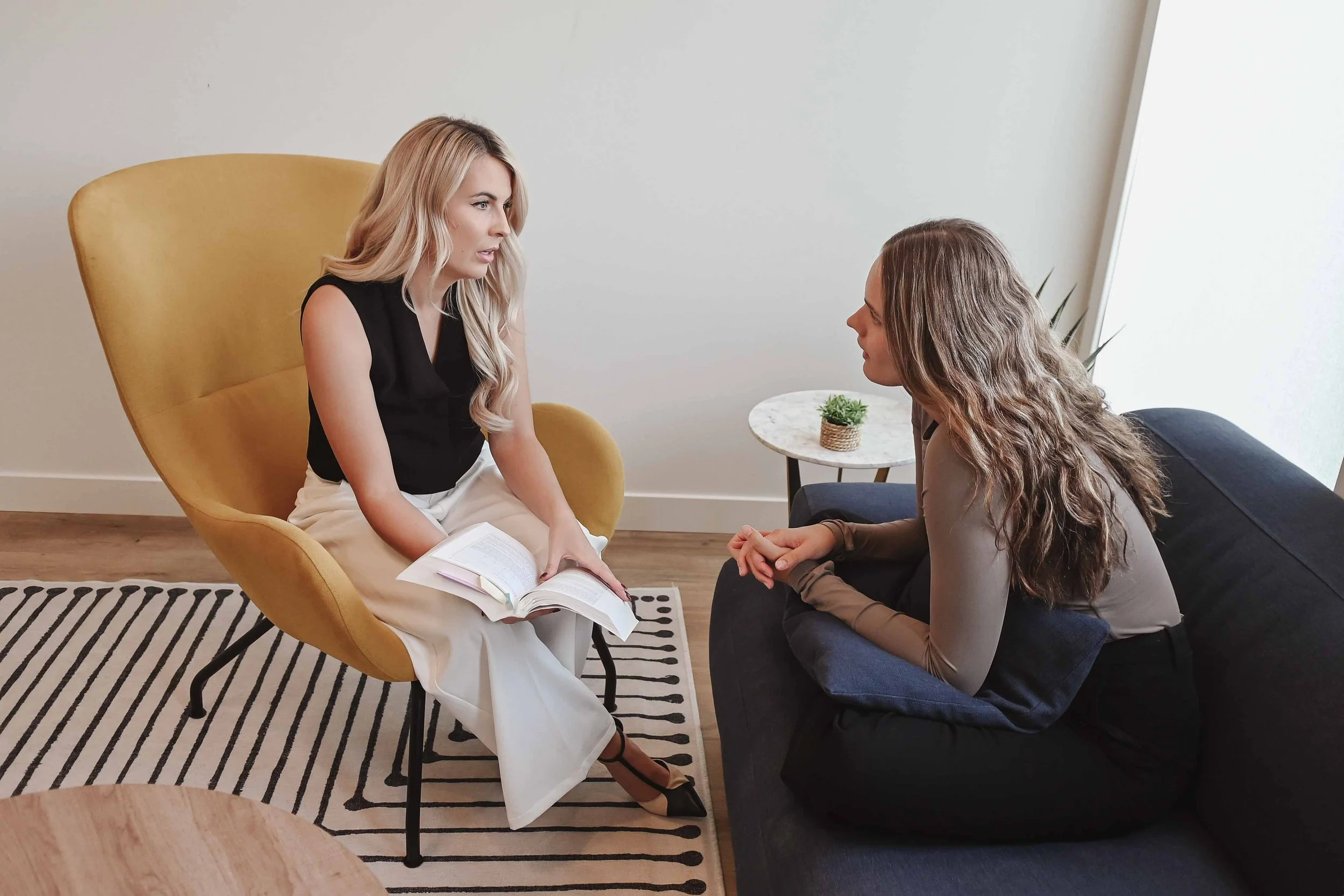
Therapy gives these children something rare: a space where they don’t have to perform, impress, or appear okay. Through play, drawing, gentle conversation, and sensory tools, they can experiment with sharing more of themselves without fear of judgment.
We often integrate approaches used in Emotion Regulation Therapy, Anxiety Therapy, and Play Therapy, adjusting everything to your child’s pace and comfort level. The focus is on safety, trust, and helping your child feel understood — not pushed.

Signs It May Be Time To Reach Out
It might be helpful to seek support if your child:
Seems tense, worried, or “on guard” much of the time
Is very hard on themselves after small mistakes
Has trouble saying what they want or need
Avoids conflict so much that their needs get missed
Appears fine to others but unravels in private
Many families who come for Perfectionism Support, Panic Episodes, or Selective Mutism recognize elements of overcontrol in their child’s story.
What Sessions Look Like at Creative Sky
Sessions are quiet, calm, and child-led. We don’t expect children to open up right away — especially those who are used to keeping everything inside. Instead, we:
Use Play Therapy and Art Therapy to explore feelings gently
Build emotional language through stories, metaphors, and shared activities
Introduce simple body-based tools to reduce tension
Include parents in the process so support continues at home
Our goal is to help your child feel safe enough to take up a bit more space emotionally, one step at a time.
Supporting Your Child at Home
Parents play a big role in helping overcontrolled kids feel less alone. You don’t have to do anything dramatic. Often, it’s about creating small pockets of safety — soft check-ins, normalizing mistakes, slowing down routines, and giving permission to have off days.
Many parents also find it helpful to access Parent Counselling, especially when they’re unsure how to encourage emotional expression without overwhelming their child.
Support for overcontrolled children often overlaps with:
Anxiety Therapy
Perfectionism Support
Emotion Regulation Therapy
Selective Mutism Support
Your child’s therapist will recommend what fits best, and these services can be woven together into one cohesive plan.
Let’s Help Your Child Finally Exhale
Children who hold everything in aren’t trying to be difficult — they’re trying to be good, safe, and easy to be around. But they shouldn’t have to work that hard just to move through the day.
With the right support, your child can learn that their feelings are allowed, their needs matter, and they don’t have to carry everything silently. We’re here to help them breathe a little easier.
📍 2005 – 37 St SW, Unit #5, Calgary
📞 587-331-4464
Frequently Asked Questions (FAQS)
-
Not always, but many overcontrolled children do learn to people-please as a way to avoid conflict, stay safe, or prevent emotional discomfort. The difference is that overcontrolled kids often suppress their own needs much earlier and more intensely than typical people-pleasers. Therapy helps them build confidence to express preferences without fear.
-
This is very common. Many overcontrolled children “hold it together” all day — staying quiet, compliant, and composed — then release tension where they feel safest. This can look like crying, shutting down, irritability, or emotional fatigue at home. It’s a sign their nervous system is overwhelmed, not misbehaving.
-
Yes. Children who struggle to share feelings or advocate for themselves sometimes fall into one-sided friendships, get overshadowed, or become the “easy friend” who rarely gets their needs met. Therapy helps kids build assertiveness, emotional language, and confidence so friendships feel more balanced and authentic.
-
There is a strong connection. Children who rely heavily on self-control may develop social anxiety, perfectionistic thinking, or avoidance patterns as they age — especially around making mistakes or being evaluated. Early support helps shift these patterns before they become deeply ingrained.
-
Start small and predictable. Soft check-ins, parallel play, bedtime connection, drawing together, or gentle “I wonder…” statements help your child open up without pressure. Our team can guide you through specific tools in Parent Counselling so emotional conversations feel safer for both you and your child.