
Selective Mutism in Children
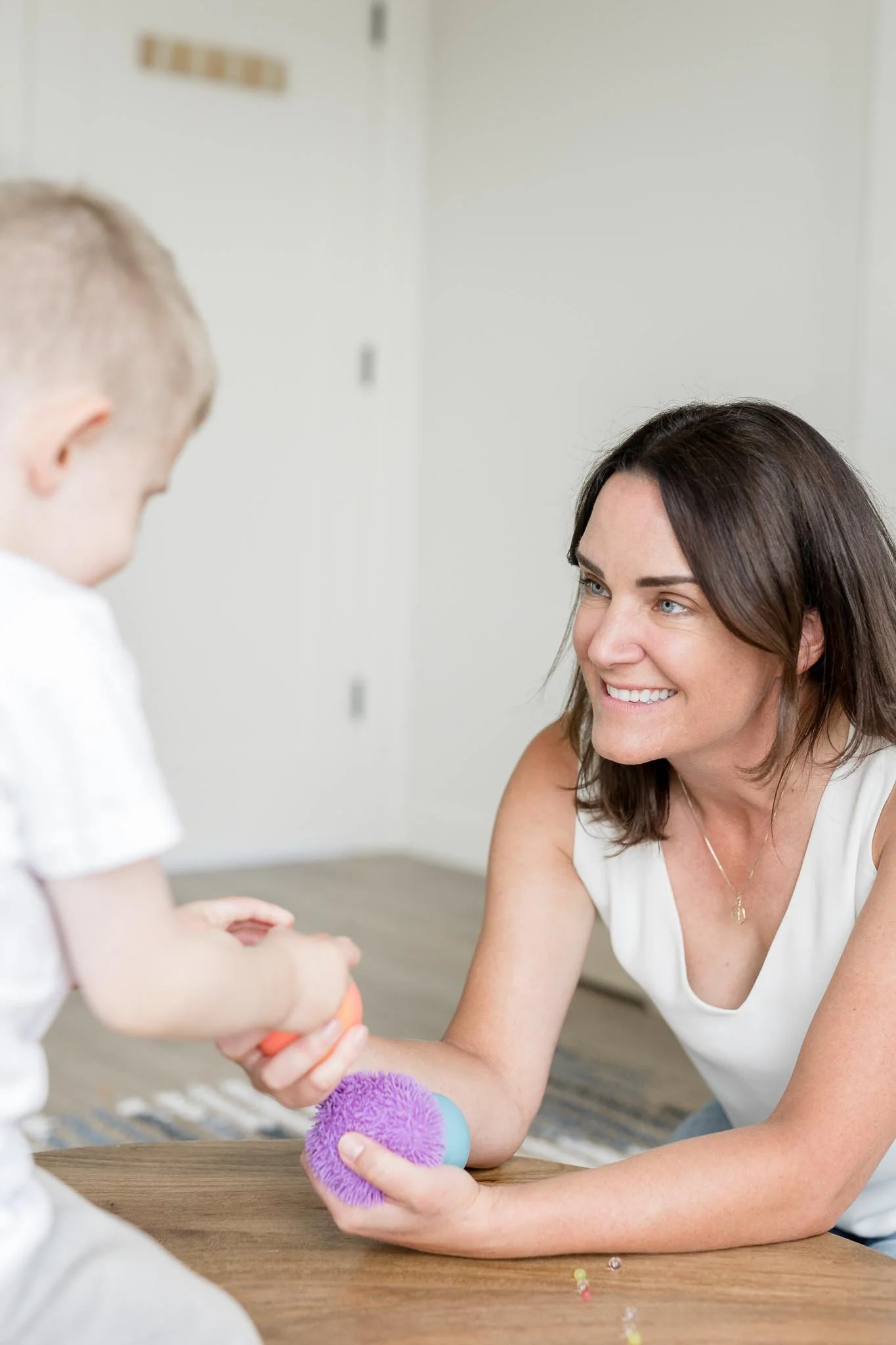
When your child can speak at home — but not in certain places
For many parents, selective mutism is confusing and deeply emotional. Your child may chat freely at home, tell stories, sing, or laugh — but at school, with extended family, or in unfamiliar places, their voice seems to disappear. They may freeze, look down, shake their head, or cling silently to you. This sudden quietness often leaves parents feeling unsure: Is this shyness? Anxiety? Are they choosing not to speak?
Selective mutism is not a choice. It is an anxiety disorder where a child becomes unable to speak in specific settings, even when they desperately want to.
At Creative Sky Psychology, we support children by building safety, confidence, and small, successful “brave moments” that help their voice emerge gently over time.
Signs of Selective Mutism
Selective mutism often appears in predictable patterns across environments. Parents may notice:
Silence at school, daycare, or extracurriculars
Avoiding eye contact or freezing when spoken to
Whispering or speaking only to a parent
Communicating with gestures or nods instead of words
Relying on siblings or friends to “speak for them”
Struggling to answer simple questions like “How are you?”
Difficulty ordering at restaurants or talking to relatives
Tears, tension, or shutdowns in social settings
Because selective mutism can overlap with worry, Social Anxiety, Big Emotions & Regulation, or Highly Sensitive Children, it’s important to understand the emotional root — not interpret the silence as defiance or unwillingness.
Why Selective Mutism Occurs
Selective mutism is closely connected to a child’s nervous system. When a child feels overwhelming fear in specific situations, the part of the brain responsible for speech temporarily “locks up.” They’re not refusing to speak; they’re unable to.
This can be influenced by:
Child anxiety (especially in social settings)
Sensory Challenges that make environments feel overstimulating
Temperament, especially slow-to-warm or highly sensitive children
A strong fear of making mistakes or being judged
Past experiences that made speaking feel risky or embarrassing
Understanding why your child’s voice disappears helps us build a plan that meets them exactly where they are — with compassion instead of pressure.
Selective Mutism or Introversion?
Shy children warm up over time — their discomfort decreases as familiarity increases. Children with selective mutism experience the opposite: the more they feel watched or expected to speak, the harder it becomes.
A key difference: introverted, shy children can speak but may hesitate; children with selective mutism cannot speak in moments of fear.
Recognizing this distinction allows parents, teachers, and caregivers to respond with gentleness and the right kind of support.

How Selective Mutism Affects Daily Life
Selective mutism can influence a child’s relationships, classroom engagement, and overall confidence. Children may avoid participating in group activities, struggle with presentations, or rely heavily on nonverbal communication. This can sometimes lead to issues with Confidence & Self-Esteem, or even school refusal when anxiety becomes overwhelming.
Children may also experience physical symptoms — tense posture, frozen facial expression, stillness — which can be mistaken for “not listening” when they are actually in a state of overwhelm. Addressing these patterns early helps prevent isolation and supports healthy social development.
How We Support Children with Selective Mutism
Our approach is calm, slow, and deeply respectful of the child’s pace. There is never pressure to speak. Instead, we help children build safety, emotional regulation, and tiny “brave steps” that lead gradually toward speaking. Therapy may include:
Play-based activities that lower anxiety
Nonverbal communication to build comfort
Gradual exposure (“stepladder” approaches)
Parent guidance for at-home practice
Collaboration with teachers and caregivers
Coping tools for moments of overwhelm
Support for underlying social anxiety or emotion regulation
Sensory-based adjustments when needed
These small steps help children expand their comfort zone without ever feeling forced.
Supporting Parents During the Journey
Parents play a central role in helping children find their voice. In parent sessions, we explore:
How to respond when your child freezes
How to reduce pressure that unintentionally increases fear
Scripts that support bravery
How to shape situations so your child feels emotionally safe
How to talk with teachers about supportive classroom strategies
Balancing encouragement with respect for your child’s pace
For families experiencing stress or uncertainty, this work aligns naturally with Parent Counselling, where caregivers learn how to support emotional growth without overwhelming their child.
Selective Mutism in Toddlers & Preschoolers
Selective mutism often begins in early childhood. Toddlers and preschoolers may rely heavily on gestures, nonverbal communication, or staying physically close to a parent. They may speak freely at home but freeze the moment they enter daycare or preschool.
Early support through Preschool Therapy or Emotion Regulation helps children build foundational confidence and coping skills before school expectations increase. When children feel safe and understood, their voice emerges naturally.
Your first session offers a calm, comfortable space to talk through the moments when your child’s voice disappears — the places, people, or situations that feel hardest. Your therapist will help you understand what selective mutism is, why it happens, and how your child’s temperament, nervous system, and worries come together to create silence in certain settings. Together, you will build a gentle plan for the coming week that supports emotional safety and small, realistic steps toward communication. Parents often leave feeling clearer, more hopeful, and relieved to finally understand what their child is experiencing.
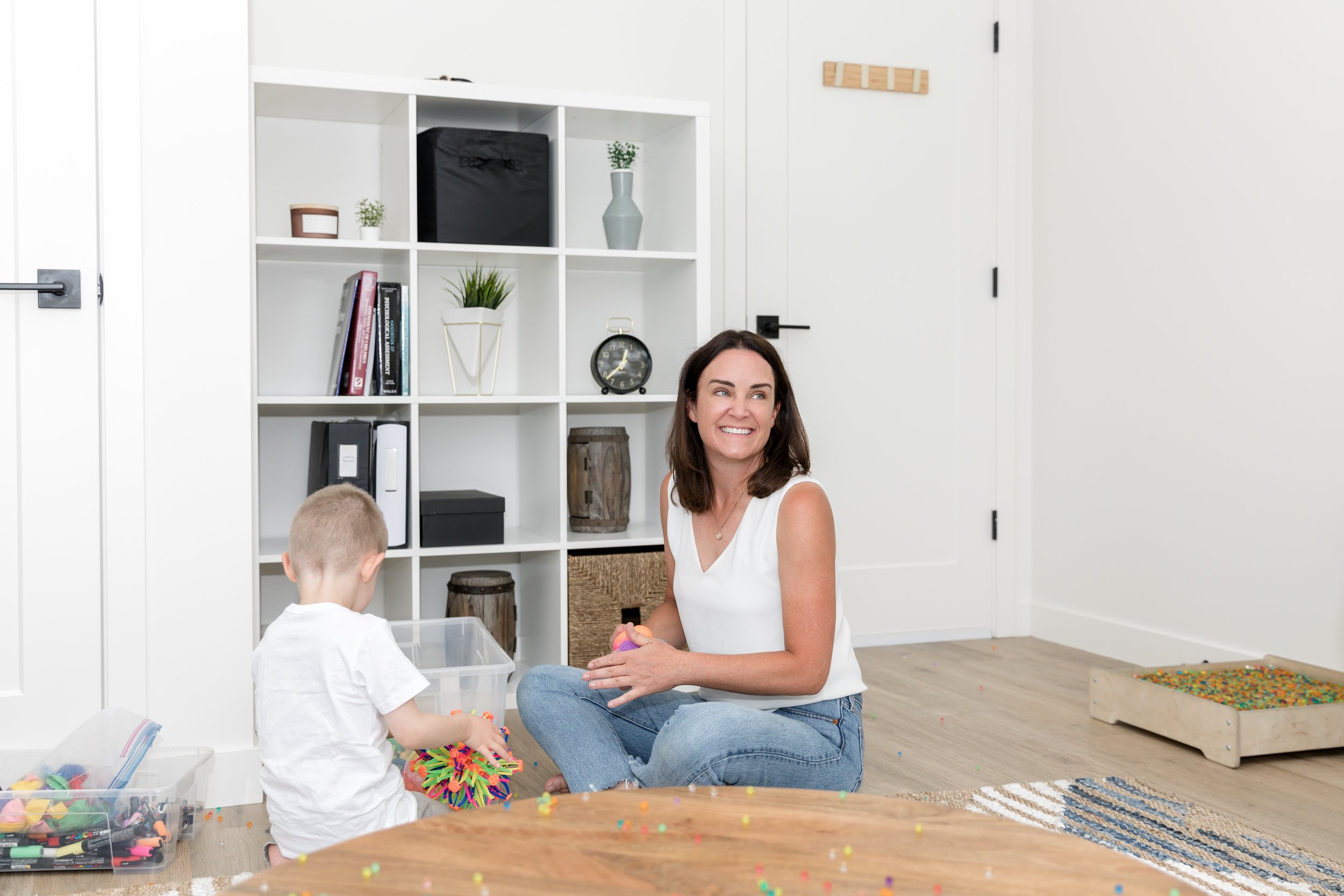
Your Child’s Voice Deserves to Be Heard - at Their Own Pace
Selective mutism is not stubbornness or avoidance. It’s a fear response that quiets a child’s voice in moments when they feel watched, overwhelmed, or unsure. With support, children learn to regulate big feelings, build bravery in safe steps, and gradually express themselves in new environments with growing confidence.
You don’t have to navigate this alone — and your child doesn’t have to feel alone in their silence.
Book a session today, and let us help your child find their voice, one gentle step at a time.
📍 2005 – 37 St SW, Unit #5, Calgary
📞 587-331-4464
Frequently Asked Questions (FAQS)
-
While some children improve with time, selective mutism rarely resolves fully without support. Because it’s driven by anxiety, children often need gentle, structured steps that help them feel safe using their voice in different settings. Early intervention leads to quicker and more sustainable progress.
-
No. Selective mutism is not a behavioural choice. When your child freezes, their nervous system is reacting to fear — similar to stage fright but much more intense. They want to speak, but anxiety momentarily blocks their ability to do so. Therapy focuses on reducing fear, not increasing pressure.
-
Pushing, bribing, or calling attention to a child’s silence tends to increase anxiety and can make speaking even harder. Supportive adults should offer gentle opportunities, praise brave attempts, and follow the plan we create together. Speaking emerges naturally when a child feels safe.
-
Sometimes — but not always. Many children with selective mutism are social, playful, and expressive at home. Their silence is tied to anxiety, not lack of interest in others. When we reduce fear and build confidence, their social interactions often become much easier and more enjoyable.
-
Progress varies, but many children begin showing small brave steps within a few weeks of consistent support. Because treatment involves gradual exposure and building confidence across different environments, a steady pace works best. Parents often feel relief early on as they begin understanding how to support their child.