How Routine Builds Confidence in Children: The Quiet Magic Behind Everyday Moments
Across Calgary, mornings often begin with the same familiar dance: cereal bowls, mismatched socks, backpacks that may—or may not—contain yesterday’s homework. In the midst of the daily swirl, children look for something steady to hold onto. Routine becomes that quiet anchor.
What many families don’t realize is that these ordinary rhythms—brushing teeth, packing lunches, settling in for bedtime—are doing more than keeping the household running. They are shaping a child’s developing sense of confidence and self-esteem in surprisingly profound ways.
For families exploring child confidence building in Calgary, understanding how routine supports emotional growth can be both grounding and empowering.
The Heart of Routine: Why Kids Feel Braver When Life Feels Predictable
Here’s a small fun fact: the human brain loves patterns. Even babies show calmer nervous system responses when events unfold in a predictable order. It’s biology’s way of saying, “You’re safe.”
When children sense predictability in their day, their bodies relax, their attention opens up, and learning becomes easier. A steady routine tells a child: You know what’s coming next. You can handle this.
Confidence quietly grows in these predictable pockets. Self-esteem strengthens when children repeatedly experience, “I know how to do this.”
This is why routines are so deeply connected to child self-esteem support—they help build the inner certainty children rely on when the world outside feels big.
When Life Feels Wobbly: How Routines Help Children Feel Grounded
Every child has moments when the day feels too loud or too fast. Maybe transitions are overwhelming, or after-school emotions spill out in unexpected ways. These wobbly moments aren’t “bad behaviour”—they’re signals that the world feels a little unpredictable inside.
Routine offers something steady to step onto. A calming bedtime sequence, the same after-school snack ritual, or even a predictable goodbye at daycare can help children feel anchored again.
Fun fact: Researchers have found that children with consistent routines often show stronger emotional regulation skills—simply because their brains spend less time bracing for the unexpected.
The Everyday Magic: How Routines Shape Confidence Without Being Strict
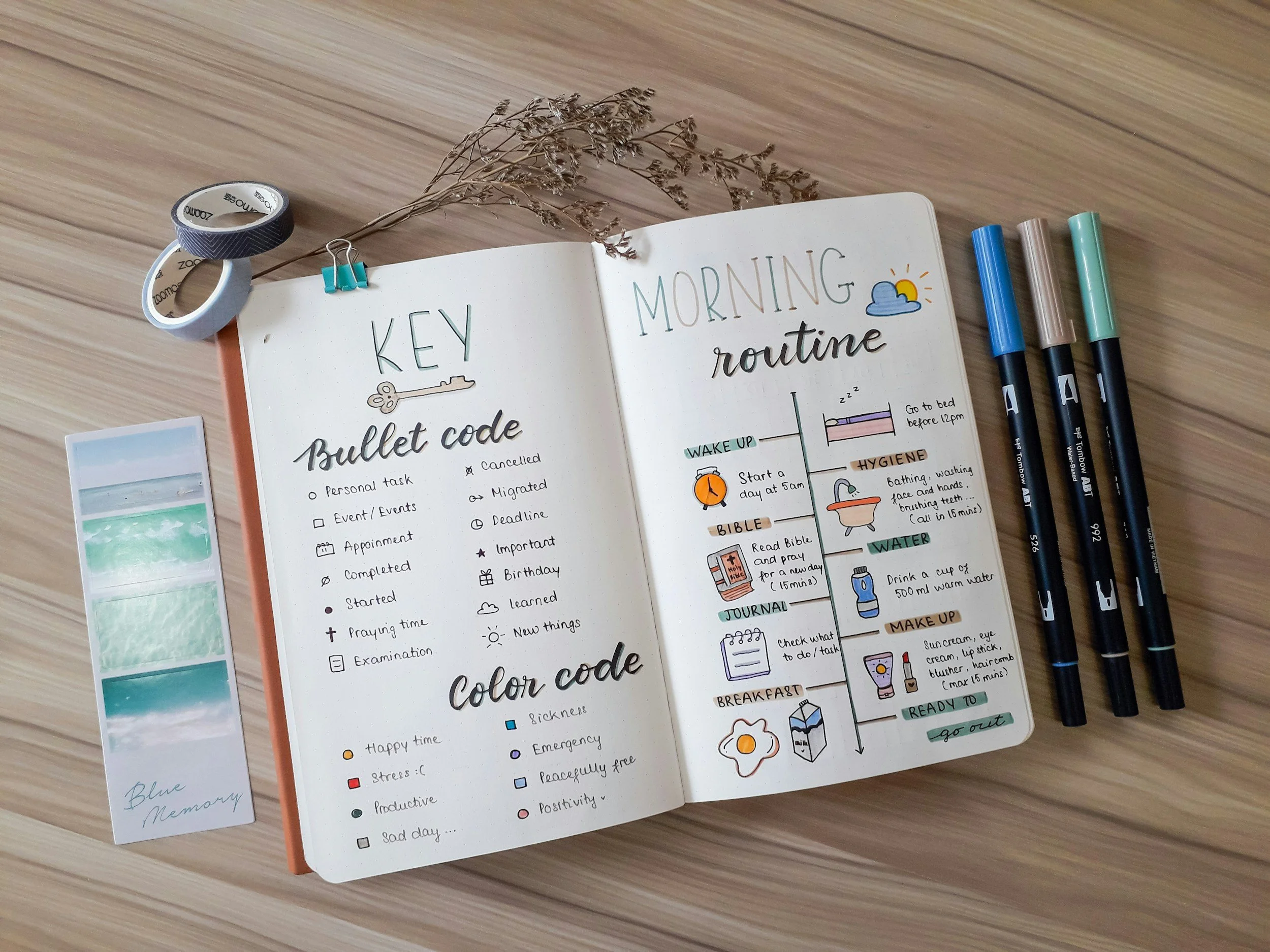
Some families imagine routine as a rigid schedule taped to the fridge. In reality, routine feels more like a gentle rhythm—a series of comforting steps children can count on.
Morning rituals prepare the body for engagement. After-school rituals help children decompress and reconnect. Evening rituals tell the nervous system, “It’s safe to rest now.”
As these rhythms repeat, children begin to internalize a powerful message: “I can predict my world, and I know how to move through it.” This quiet message is the soil where confidence takes root.
And here’s another fun fact: children who feel competent in everyday tasks—tying shoes, helping pack lunch, feeding the pet goldfish—tend to show higher resilience during challenges. Confidence grows in small, ordinary moments long before it shines in the big ones.
Gentle Ways Families Can Create Confidence-Building Routines
Families often notice that routines work best when they feel warm, flexible, and connected rather than rigid. A routine doesn’t need to be perfect to be powerful.
A comforting morning ritual might be as simple as:
The same breakfast conversation starter
A two-minute quiet moment before leaving the house
A special goodbye phrase shared at the door
These micro-rituals become emotional touchpoints—tiny moments that whisper, “You’re capable, and you’re supported.” Routines can be adapted as children grow, making space for independence, choice, and self-expression. The goal is not to control the day but to soften it.
When Calgary Families Reach Out for Support
Sometimes routines become difficult to maintain, or a child seems to struggle even when the day is predictable. Families in Calgary often seek additional support when:
Confidence appears to be shrinking
Transitions feel unusually challenging
Emotional reactions are becoming more intense
Self-esteem needs extra nurturing
Therapy offers a place to explore what a child’s behaviour may be communicating and how routine can be shaped to meet developmental needs.
-
Not at all. Children thrive with predictability, not perfection.
-
Resistance often means the task feels too big or the transition too sudden. Gentle pacing helps.
-
Absolutely. Predictability often lowers anxiety by reducing overwhelm.
-
Confidence builds gradually, woven into the daily rhythm of consistency and connection.