
Aggression in Young Children
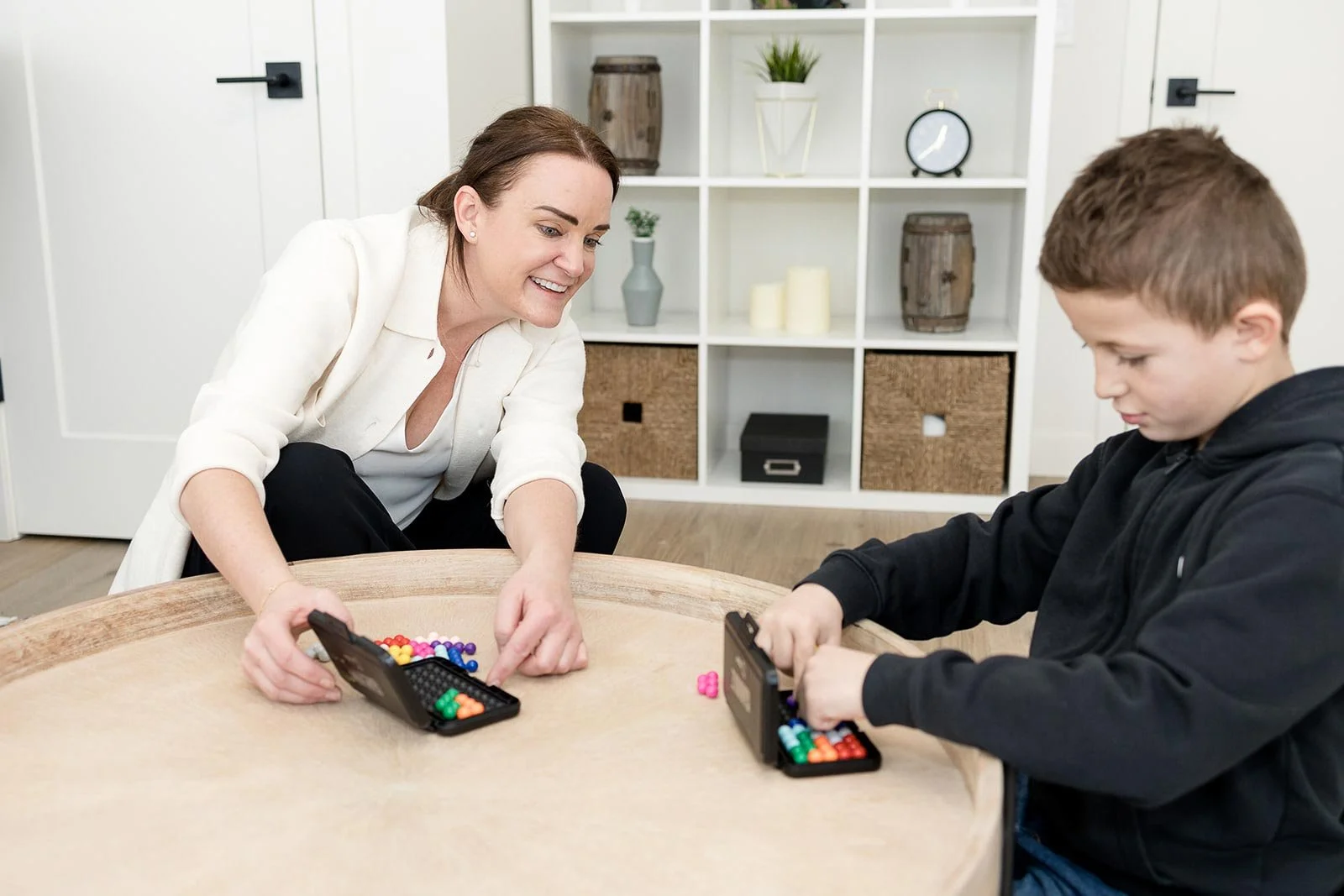
Understanding Early Childhood Aggression
Aggression in young children can feel startling, especially when it shows up as hitting, biting, yelling, or sudden outbursts. But beneath these behaviours, there is almost always an unmet need, a lagging skill, or a moment where emotions simply feel “too big” for a small body. At Creative Sky Psychology, we help children learn safer, more confident ways to express themselves while supporting parents with tools that work at home.
As your child grows, regulation skills develop gradually—and with the right support, even the toughest moments can become opportunities for emotional growth. Many families also find it helpful to explore connected topics like Emotion Regulation, Anxiety, or Strong-Willed Behaviour, especially when aggression is part of a bigger pattern.
Why Children Show Aggressive Behaviours
Children rarely act out “on purpose”—their behaviour is often their communication. Common contributors include:
Overwhelming emotions that feel too intense to manage
Difficulties with impulse control
Stress, frustration, or feeling misunderstood
Transitions, Sensory Overload, or sudden changes
Anxiety showing up as irritability or defensiveness
Fatigue, hunger, or illness lowering coping capacity
Aggression is not a character trait—it’s a signal. Understanding its root makes space for more effective support.
How Aggression Impacts a Child’s Daily Life
Aggressive moments can ripple into many areas of a child’s world, including:
Challenges forming and maintaining friendships
Conflicts in daycare or preschool settings
Avoidance from peers or siblings
Reduced Confidence or increased shame after an incident
Difficulty participating in structured activities
Children often feel guilt or confusion afterward, especially if they don’t fully understand why the behaviour happened. Therapy gives them the language—and the tools—to make sense of these moments.
The Emotional Story Behind the Behaviour
Many aggressive behaviours mask deeper emotions: frustration, worry, embarrassment, sensory discomfort, or the fear of losing control. Young children may not yet have the emotional vocabulary to say, “I’m overwhelmed,” so their body responds for them.
Creative, developmentally-grounded therapies—like Play Therapy, Art Therapy, and Emotion Regulation Support—help children uncover these underlying emotions in a way that feels safe and empowering.
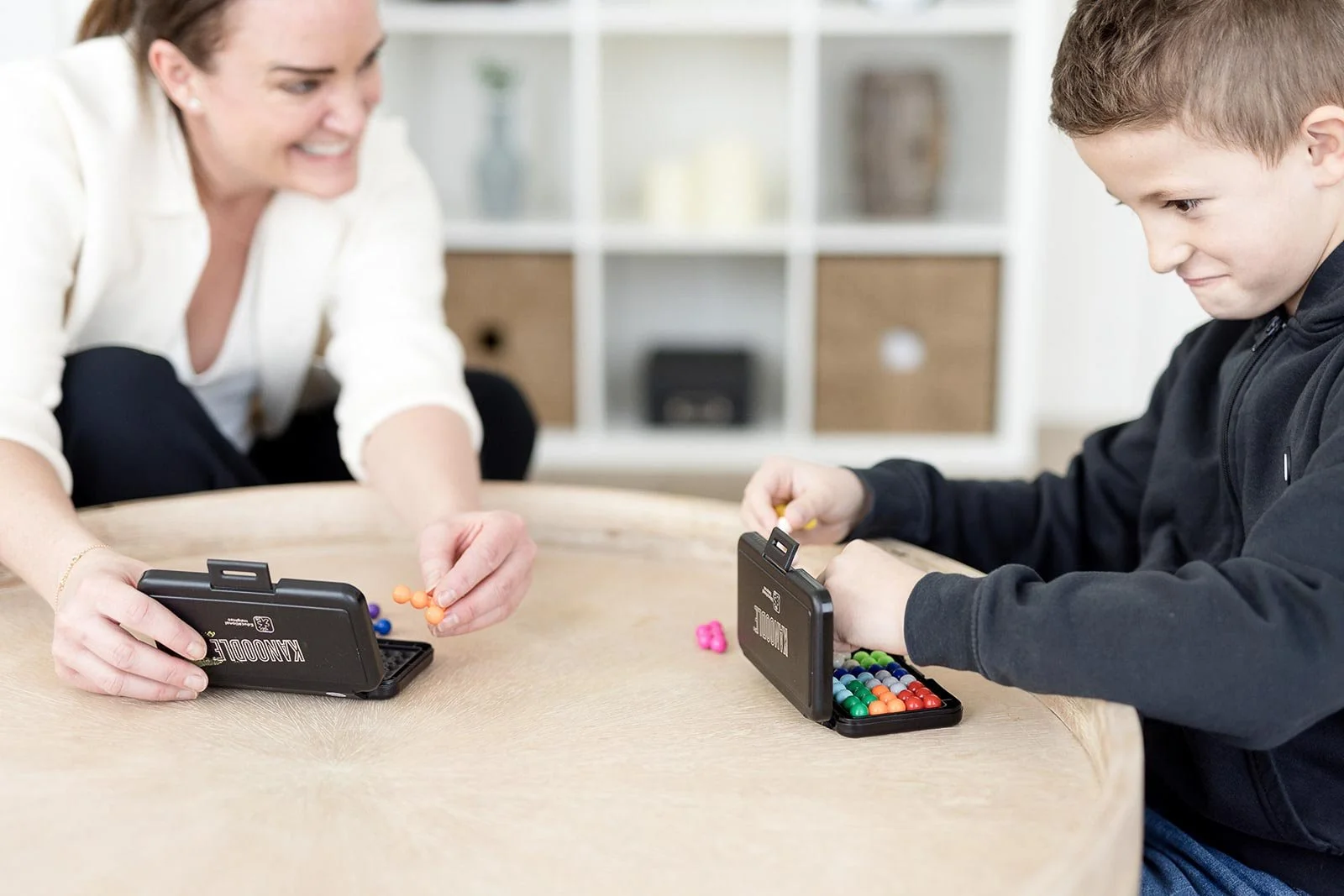
This stage of development is all about learning limits, boundaries, and new ways to communicate needs. Our therapists work gently and playfully to help children discover what calm feels like, understand their emotions, and build confidence in managing tricky moments. Parents are always part of the process. Small shifts in routine, structure, and relationship strategies can dramatically reduce aggression at home.
What Therapy Looks Like for Aggressive Behaviours
Therapy for aggression is individualized, but often includes:
Play-based emotional expression
Skill-building for impulse control and frustration tolerance
Practicing safe, alternative behaviours
Parent coaching to support routines and responses at home
Strength-based confidence building
We may also integrate approaches from related areas such as Child Anxiety Therapy, Behavioural Support, or Social Skills Development, depending on your child’s profile.
When Aggression Shows Up Alongside Other Concerns
Aggression often travels with—and masks—other challenges:
Anxiety that presents as irritability
Sensory Overload leading to Quick Outbursts
Sleep Difficulties reducing emotional capacity
Friendship Struggles or social misunderstandings
Developmental delays affecting communication
When needed, our team can also support families in exploring ADHD Assessments, Learning Profiles, or Emotion Regulation Therapy, helping you understand the bigger picture
Support for Parents Navigating Hard Moments
You’re not alone in this—supporting a child through aggressive behaviours can be draining, confusing, and emotional. We help parents build confidence with practical guidance, scripts for difficult moments, co-regulation techniques, and strategies designed specifically for young children. Small adjustments at home can create meaningful, lasting change.
Aggression decreases fastest when children feel understood, safe, and capable. That’s why our therapists use playful, imaginative tools—from storytelling to sensory exploration—to help children practice new skills in ways that feel natural.
As their emotional world grows, their behaviours begin to shift too. Many families also find complementary support from services like Parent Counselling, Sleep Support, or Strong-Willed Behaviour Therapy.
If You’re Worried, You’re Already Paying Attention
A child’s aggression doesn’t say anything about your parenting. What matters is that you’re noticing, caring, and trying to support them—and that already creates safety. If you’re ready for gentle, specialized help, we’re here to walk with you.
📍 2005 – 37 St SW, Unit #5, Calgary
📞 587-331-4464
Frequently Asked Questions (FAQS)
-
Yes—aggression is common in early childhood because emotional regulation and language skills are still developing. Therapy helps children learn safer, more effective ways to communicate.
-
If aggression is increasing, happening daily, impacting daycare or friendships, or causing distress at home, it may signal underlying anxiety, sensory challenges, or regulation difficulties.
-
Stay calm, ensure safety, use short phrases, and bring your child to a quiet space when possible. Afterward is when the learning—and the repair—happens.
-
Absolutely. Child therapy uses play-based strategies, not adult-style conversations. Children naturally express emotions through play, movement, and imagination.
-
Yes. Parent guidance is a core part of treatment. We provide scripts, routines, and strategies tailored to your child so you know exactly how to support them at home.