
Child Anger Therapy in Calgary

Understanding Anger Through A Child’s Eyes
Anger is often a child’s way of saying, “I’m overwhelmed,” “I don’t know what to do,” or “Everything feels too big.”
Some children explode quickly, others simmer quietly until the smallest thing sets them off. Anger isn’t defiance — it’s communication. And it often appears alongside challenges like Emotional Outbursts & Meltdowns or difficulties with Executive Functioning when coping skills haven’t fully developed.
What Anger Might Look Like Day-to-Day
Every child’s expression of anger is unique, but parents often notice patterns like:
Sudden explosions during transitions
Yelling, slamming, or stomping
Intense reactions when things feel “unfair”
Difficulty accepting “no” or unexpected changes
Quick frustration when tasks feel hard
Withdrawal, shutting down, or “giving up”
These reactions sometimes surface in children who also struggle with Anxiety or Sensory Challenges, where the emotional system becomes overloaded.
The Role Of The Nervous System
When children sense danger — even emotional danger — their brain shifts into “fight, flight, or freeze.” Anger can be the fight part of that cycle.
For some, even small triggers feel enormous. This response can be amplified by factors like:
Sensory overload
Fatigue or hunger
Anxiety spikes
Changes in routine
Underdeveloped coping strategies
Families exploring this often benefit from support tied to Big Emotions & Regulation or early Toddler & Preschool Emotion Regulation foundations.
Why Children Become So Easily Overwhelmed
Under anger, there is almost always something softer — frustration, fear, embarrassment, disappointment, or fatigue.
Children who feel intensely or think quickly often don’t have the skills yet to slow the moment down. This is especially common in kids who are Strong-Willed, Sensitive, or navigating the push-and-pull relationship between independence and structure.
It may be time for support when anger:
Interferes with friendships
Creates stress at school
Leads to shame afterward
Leaves your child exhausted
Causes tension at home
Feels unpredictable or intense
For some children, anger is deeply tied to perfectionism or internal pressure, a pattern also seen in Perfectionism or School Refusal when the emotional load becomes too heavy.
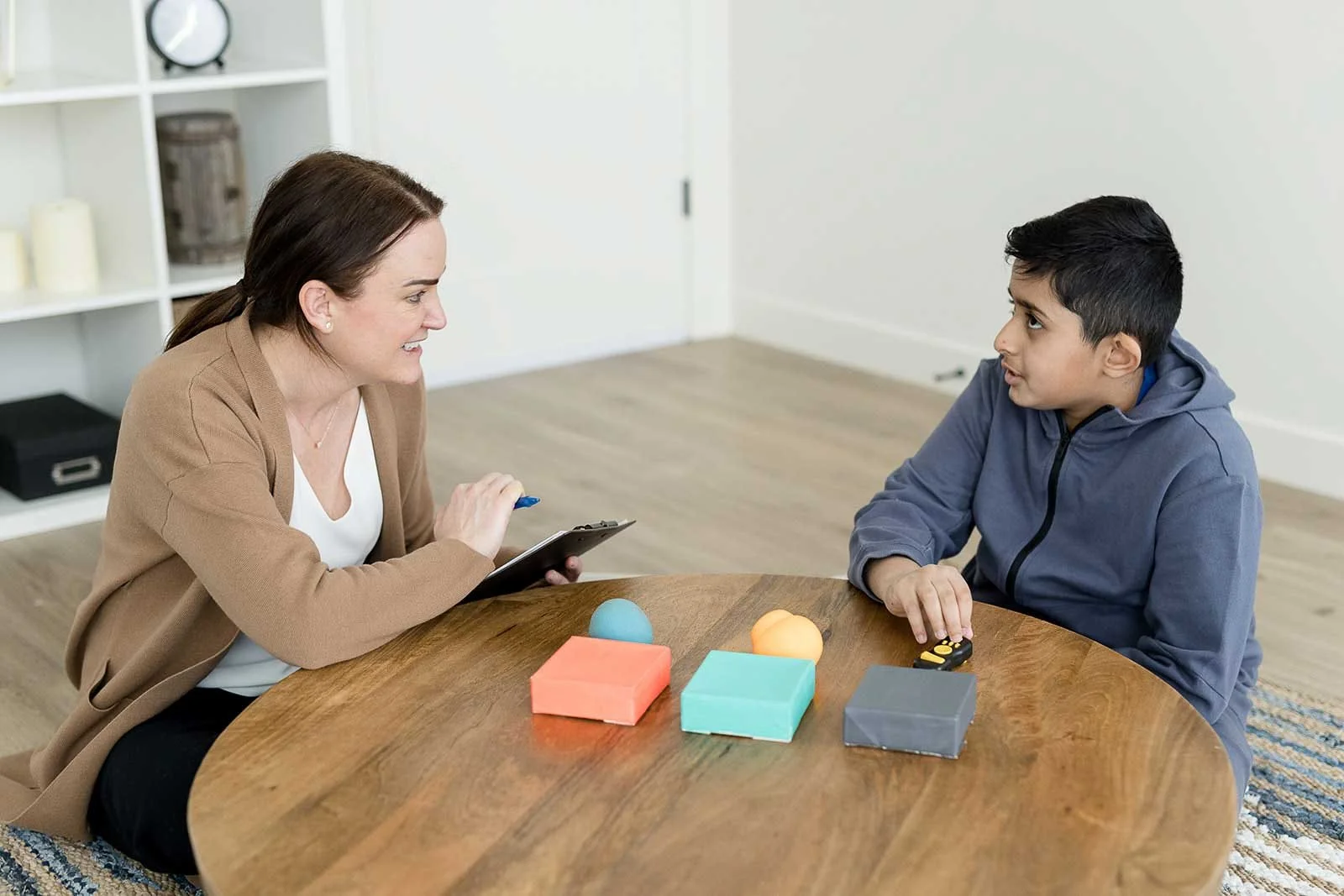
How We Help Manage Anger
Therapy isn’t about “stopping” anger — it’s about helping your child understand it. We focus on:
Teaching emotional language and awareness
Strengthening impulse control and coping tools
Exploring frustration through Play Therapy or Art Therapy
Improving flexibility and problem-solving
Supporting emotional repair after big moments
Helping children recognize body signals before anger escalates
We combine creativity with practical tools so children can apply what they learn in real moments.
Supporting Parents Through The Process
You are part of your child’s emotional safety system, and you deserve support too. Parent sessions/counselling can help you:
Understand your child’s triggers
Build calming routines
Navigate power struggles compassionately
Set boundaries in ways that reduce escalation
Respond, instead of react, when emotions peak
This work is similar to the guidance families receive through Parent Counselling, especially when anger affects the whole household.
At-Home Strategies That Make A Difference
Small daily shifts can create meaningful change:
Offer choices when possible
Use predictable routines
Prepare your child for transitions
Model naming your own feelings
Normalize mistakes and frustration
Keep instructions brief and clear
These strategies align well with what we teach in Social Skills sessions, especially when anger shows up during peer interactions.
Sessions blend emotional coaching with creative tools that help children stay engaged. You might see activities like:
Story-based problem-solving
Sensory grounding
Drawing, role-play, or sand tray work
Practicing coping strategies through games
Exploring “what happened” with curiosity instead of blame
Therapy meets your child exactly where they are — especially important for children who feel misunderstood or easily overwhelmed.

Helping Your Child Feel Safe, Understood, And In Control
Anger doesn’t mean your child is “difficult.” It means they’re human — and still learning. With the right tools, children become more confident, calmer, and better able to express what’s happening inside. Families often feel relief knowing they don’t have to walk through these moments alone.
If anger is affecting your child’s confidence, friendships, or daily routines, we’re here to help your family breathe a little easier and find your way forward.
📍 2005 – 37 St SW, Unit #5, Calgary
📞 587-331-4464
Frequently Asked Questions (FAQS)
-
Not usually. Anger is more often a communication signal — a child’s way of expressing overwhelm, frustration, or fear. Many children with anger also experience challenges like Anxiety, Sensory Overload, or Emotional Outbursts, not a behavioural disorder.
-
Some children have fast emotional rise times. Their nervous system reacts before their thinking brain catches up. This is common in children who are sensitive, strong-willed, or working on skills related to Executive Functioning or flexibility.
-
The goal isn’t control — it’s understanding. Children learn how anger works in their body, how to notice early cues, and how to use tools that help them pause or calm. Therapy builds emotional strength, not suppression.
-
Very often. Many children express anxiety through irritability or explosive reactions. When fear, pressure, or uncertainty build inside, anger can become the outward release. This is sometimes linked with patterns also seen in School Refusal or Perfectionism.
-
Support can be helpful when anger affects your child’s friendships, school experience, sleep, confidence, or home life. When outbursts feel intense, unpredictable, or frequent, therapy can provide structure, language, and calm for your entire family.