
Assertiveness Skills For Kids | Calgarian Child Counselling

Understanding Assertiveness in Childhood
Assertiveness isn’t something kids are simply born with—it’s learned through experience, connection, and feeling safe to speak up. Many children worry about saying the wrong thing, hurting someone’s feelings, or upsetting an adult. Others are unsure how to join conversations or advocate for themselves when things feel overwhelming.
In therapy, we help children understand the difference between being too quiet, being too strong, and finding that healthy middle space where they can express themselves clearly. This work naturally connects with concerns often explored in Friendship Challenges & Peer Conflict, Shy Temperament, and Self-Esteem Development.
Why Kids Struggle to Use Their Voice
Before building the skill, we first help kids understand why speaking up feels hard. Every child has their own story—some are sensitive, some anxious, some perfectionistic, and some simply haven’t practiced yet. When we explore this together, children usually recognize that their challenges fall into a few gentle themes:
Feeling nervous in social situations, especially around peers or adults
Fearing conflict or disappointing others, which leads to staying quiet
Getting overwhelmed by big feelings, making it hard to find words
Not knowing what assertive communication actually sounds like
Comparing themselves to others, which lowers confidence
By normalizing these experiences, children begin relaxing into the process of learning something new.
Core Assertiveness Skills We Practice
After understanding their starting point, we shift into simple, playful practice. These skills are woven into games, role-plays, puppets, storytelling, and lots of humour—because assertiveness grows best when kids feel safe.
Some of the skills we build together include:
Using confident body language (eye contact, posture, voice tone)
Choosing assertive words instead of passive or aggressive ones
Setting simple boundaries, like “No thank you” or “Please stop”
Asking for help, clarification, or space
Repairing after conflict, a skill often paired with Emotional Regulation Therapy
These become tools children can use in school, friendships, and sibling dynamics.
Helping Kids Feel Safe Speaking Up
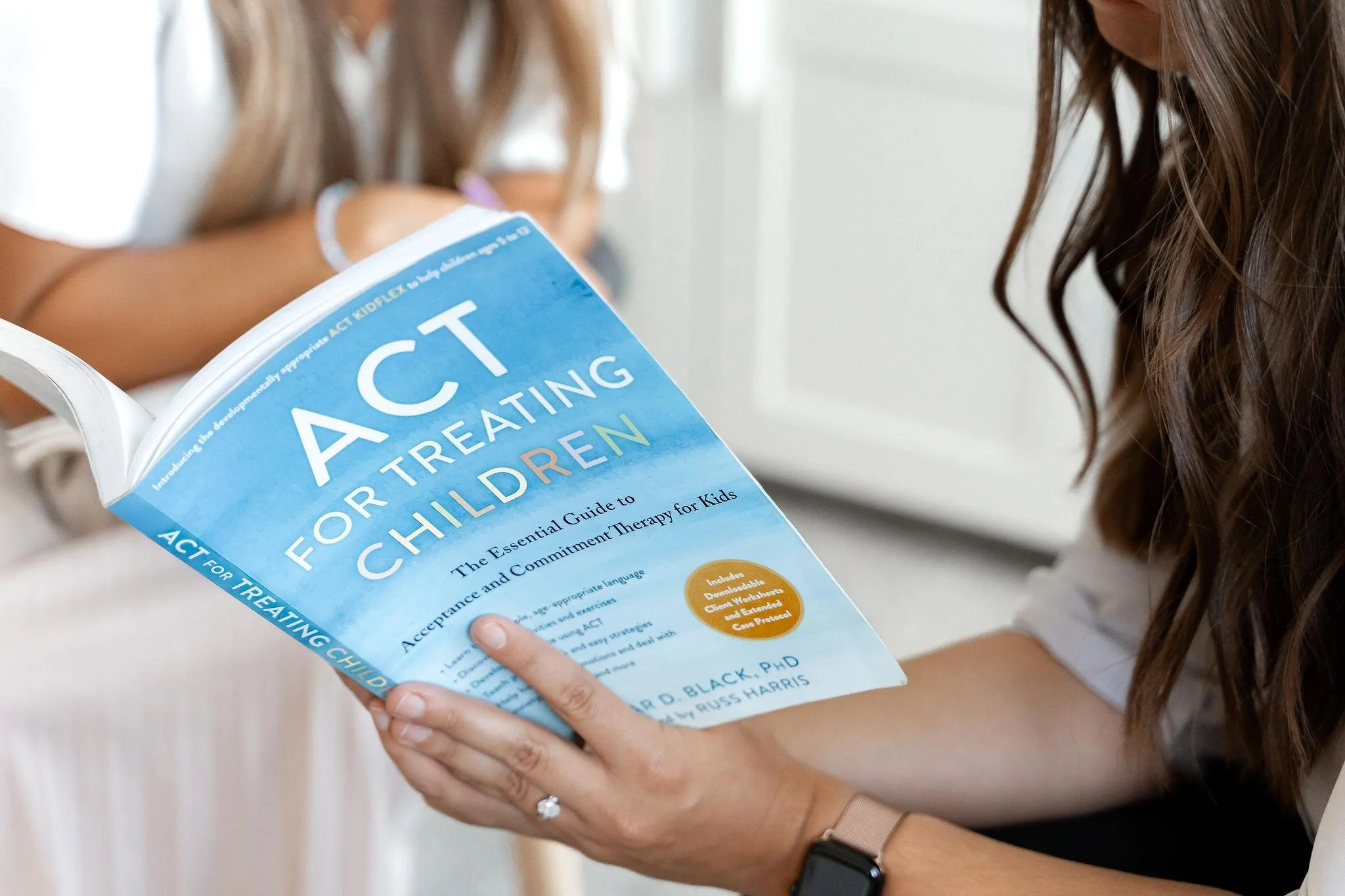
Children practise assertiveness successfully when the environment feels soft, warm, and pressure-free. We guide them through small, manageable steps—sharing an opinion, asking a question, expressing a preference—and celebrate those moments so their confidence naturally expands.
This gentle approach often brings relief to kids who also struggle with Anxiety, Perfectionism, or Strong-Willed Behaviour, because assertiveness becomes a way to move from “I don’t know what to say” to “I can try.”
Supporting Assertiveness at Home
Parents play a powerful role in shaping how comfortable kids feel using their voice. We offer realistic tools and tiny scripts you can use during your normal routines—mealtimes, play, bedtime—to reinforce the skills your child learns in session.
You’ll learn how to:
Model clear, calm communication
Create space for your child to express opinions
Use gentle boundary-setting language
Encourage bravery without pressure
Build confidence through small everyday wins
This blends beautifully with Parent Counselling, Sibling Conflict Support, and Strong-Willed Children services.
Helping Their Voice Find Its Place
Your child’s first session is slow, playful, and relationship-focused. We get to know who they are—quiet, talkative, silly, thoughtful—and help them settle into a space where their feelings matter, and their voice is welcomed.
Your child’s voice is already there—together, we help it grow into something steady, confident, and beautifully their own.
📍 2005 – 37 St SW, Unit #5, Calgary
📞 587-331-4464
Frequently Asked Questions (FAQS)
-
Yes. Learning how to speak up, ask questions, and advocate for needs often reduces school stress and improves participation.
-
Absolutely. Assertiveness is a gentle skill that can be adapted for children with shy temperaments, helping them build confidence without changing who they are.
-
We teach respectful, calm communication—focusing on kindness, clarity, and emotional regulation, not forcefulness.
-
Yes. Many children become more confident communicating boundaries with siblings once they learn assertive language and tone.
-
Most children show early changes within a few sessions, with confidence strengthening steadily as they practice at home and school.