
Medical Anxiety, Needle Phobia & Health Anxiety
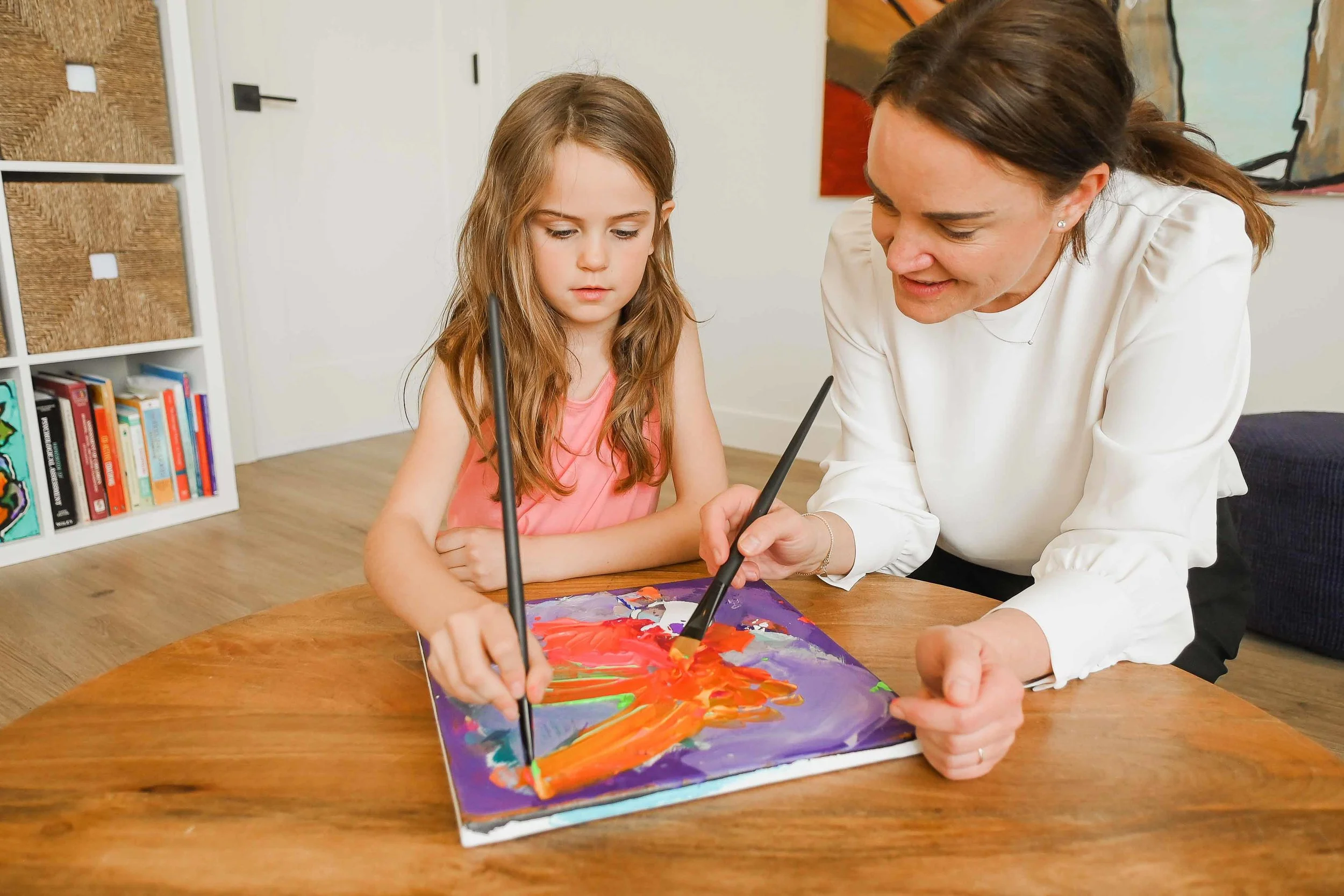
Gentle Support for Children and Teens Who Feel Scared of Medical Experiences.
Some children feel nervous about doctor visits; others feel it in a much deeper, more intense way. If your child panics at the thought of needles, shuts down during medical exams, or becomes overwhelmed by health-related worries, you’re not alone. These moments can feel exhausting for parents and frightening for kids — especially when they - don’t yet have the tools to understand what their body is doing.
Medical anxiety often shows up before appointments, during procedures, or even afterward, when fear lingers long after everything is “over.” Children can become hyperaware of sensations in their bodies or grow worried about getting sick. Teens may fear embarrassment, pain, or losing control. What feels small to adults can feel enormous inside their world.
At Creative Sky Psychology, we help children and teens build confidence, reduce fear, and learn to approach medical situations with more comfort and understanding.
Signs Your Child May Be Struggling With Medical or Health Anxiety
Children express fear in many ways, not always with words. You might see:
Crying, panic, or freezing at appointments
Avoiding conversations about health or needles
Fears about illness or getting sick
Over-focusing on body sensations
Trouble sleeping before appointments
Asking repeated reassurance questions (“Will it hurt?”)
Sometimes these reactions overlap with experiences connected to Anxiety, Panic Attacks, or High Sensitivity, especially when children feel things deeply or struggle with uncertainty.
What Contributes to Medical Anxiety or Needle Phobia?
There are many understandable reasons children become fearful, including:
Past painful or scary medical procedures
Fear of the unknown or fear of pain
Sensitive nervous systems
Difficulty with body cues or emotion regulation
Watching others appear scared or distressed
Hearing medical stories that felt overwhelming
Children who also experience Big Emotions & Regulation, Sleep Challenges, or Shy Temperament sometimes develop stronger anticipatory fears during medical situations.
How Medical Anxiety Affects Daily Life
Medical anxiety doesn’t just appear on appointment days. Many children worry for weeks leading up to something as simple as a flu shot. They may ask repeated questions, avoid conversations, or have trouble sleeping. Teens sometimes try to skip appointments entirely or mask their fear with irritability or withdrawal.
Health anxiety can also show up at school or home. Some children fear germs, get overwhelmed during health lessons, or avoid physical sensations like a racing heart or stomach discomfort. These reactions can connect with experiences similar to OCD, Social Anxiety, or Executive Functioning challenges when stress takes over.
How Therapy Helps Children Feel Safer Around Medical Experiences
Therapy gives children and teens a calm, predictable place to understand what their body does when they get scared. They learn how to recognize early signs of panic, use coping strategies, and gradually build confidence around medical settings.
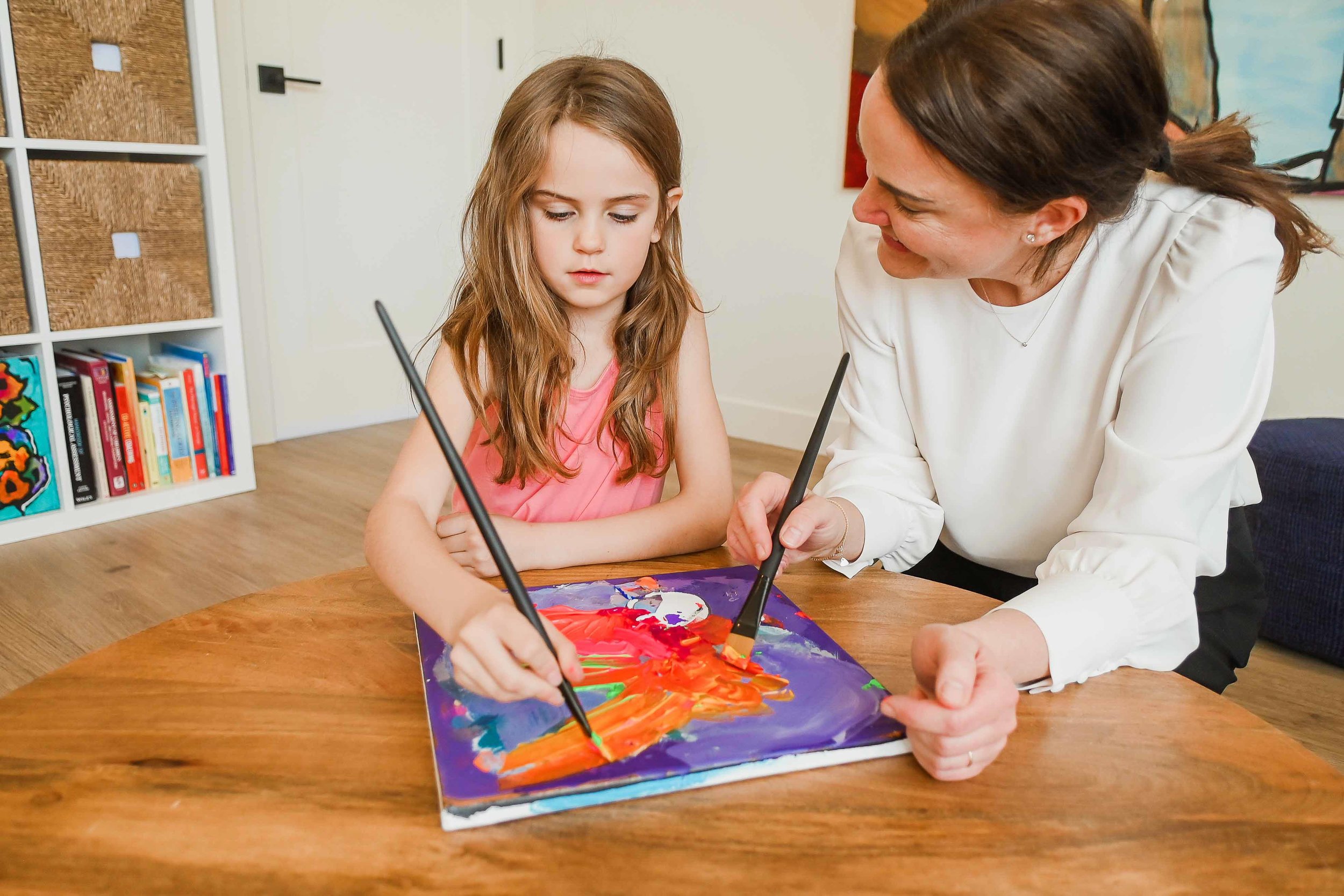
Younger children often use play, pretend doctor kits, stories, and art to practice what appointments feel like. Teens learn body-based regulation skills, helpful thinking strategies, and pacing tools to gradually reduce fear. Our goal is not to eliminate medical procedures — it’s to help children feel capable and in control.
Skills Children Learn to Reduce Medical Anxiety
In therapy, kids and teens practice tools such as:
Breathing and grounding strategies
Planning and preparing for appointments
Understanding pain, fear, and body responses
Creating predictable steps for needle procedures
Using coping thoughts and visualizations
These are similar to the tools children use when working through Confidence & Self-Esteem, Child Anger Therapy, or Emotional Outbursts & Meltdowns, where the focus is on building a sense of internal safety.
How Parents Can Support Their Child Before and After Appointments
Small, consistent steps from parents make a tremendous difference:
Prepare with clear, gentle language
Offer choices to increase your child’s sense of control
Practice coping skills at home beforehand
Stay calm and steady during the appointment
Plan something comforting afterward
Parents often find support from ideas also found in Parent Counselling, Separation Anxiety, or Growth, Grit & Resilience, especially when navigating big emotions around fear or uncertainty.
When to Consider Reaching Out for Support
If medical appointments lead to panic, avoidance, emotional shutdown, or ongoing worry, therapy can help your child approach these experiences with more confidence. Children who struggle with Friendship Challenges & Peer Issues, Depression, or Sensory Challenges may also find health-related fears amplify other stressors — another sign that support could be valuable.
You don’t need to wait for the next appointment to help your child feel safer.
Our Approach to Supporting Medical and Health Anxiety
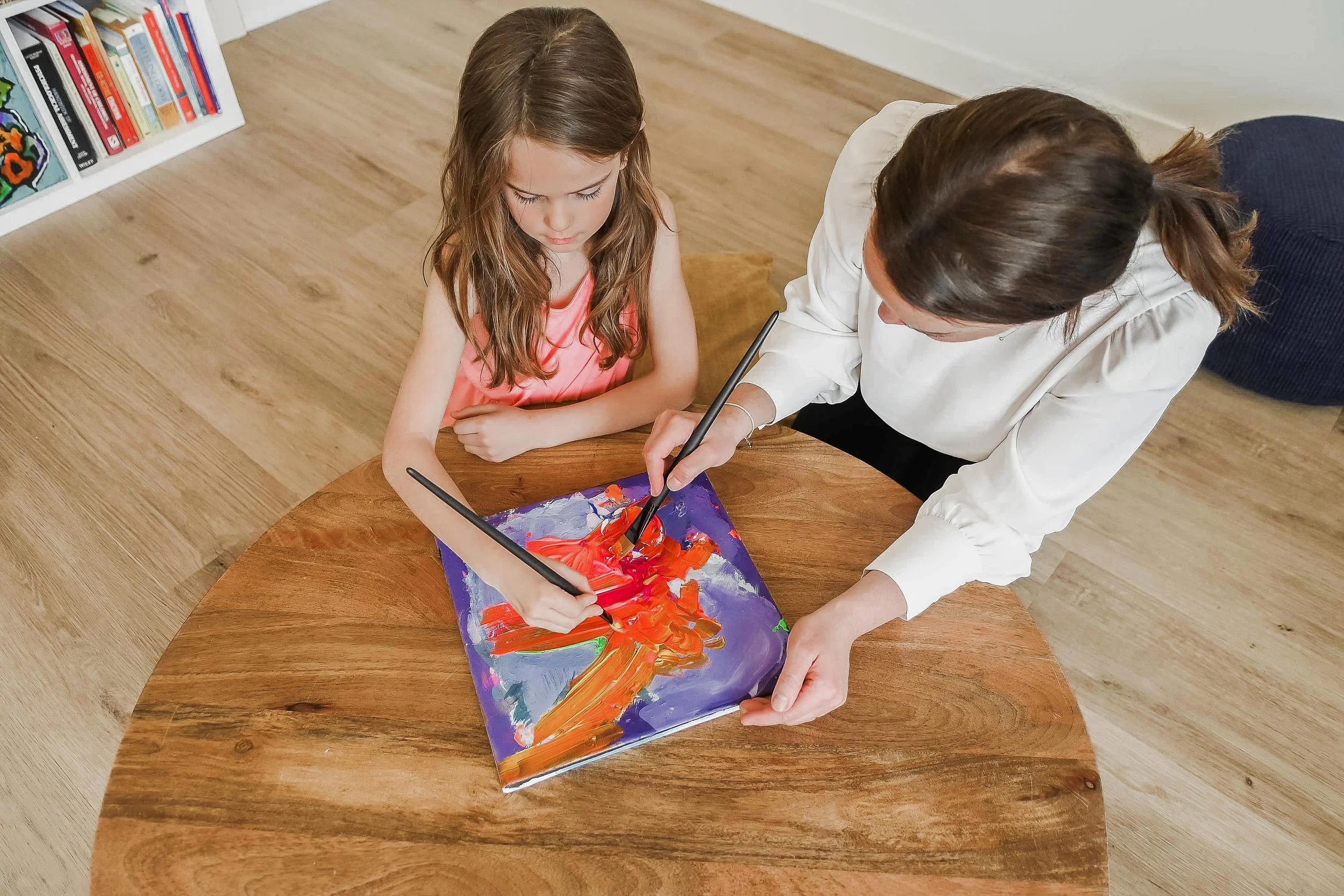
Our therapists use gentle, child-centered strategies to help kids understand what happens in their brain and body during fear. We move slowly, match your child’s pace, and weave in play, creativity, or conversation depending on their age. For teens, we may integrate emotional regulation tools or skills similar to work related to Executive Functioning, Perfectionism, or Anxiety, especially when fear becomes intertwined with a desire to avoid discomfort.
Parents are active partners in the process — we support you every step of the way.
Helping Your Child Feel Brave Again
Health care is an unavoidable part of growing up. With the right support, your child can learn that medical moments don’t have to feel terrifying. Many children begin to walk into appointments with a little more courage, a little more confidence, and a belief that they can handle what comes next.
You don’t have to navigate this alone — we’re here to help your child feel steadier, safer, and more empowered in their world.
📍 2005 – 37 St SW, Unit #5, Calgary
📞 587-331-4464
Frequently Asked Questions (FAQS)
-
Children often experience medical settings as unpredictable — bright lights, unfamiliar tools, new people, and sensations they can’t control. Their nervous system reacts before their thinking brain has a chance to catch up. This rapid fight-or-flight response is automatic, not a choice. When children learn what their body is doing and how to slow the reaction, appointments become far more manageable.
-
Preparation works best when it is simple and predictable. Let your child know what to expect in a calm, matter-of-fact tone, practice a few coping skills ahead of time, and offer choices like music, fidgets, or who they want nearby. Small pieces of control can make a big difference. Many families also find it helpful to talk through the steps of the appointment the day before, rather than for weeks leading up to it.
-
Yes — more common than most parents realize. Kids who are sensitive, intuitive, or highly aware of their bodies sometimes become worried about illness, germs, or physical sensations. Teens may fear embarrassment or worry about something being “wrong.” Health anxiety can be intense, but with support, children can learn to understand their sensations instead of fearing them.
-
This is a very understandable response when fear feels overwhelming. Instead of focusing on getting your child “inside,” it can help to pause, stay steady, and use grounding strategies right where you are. Sometimes beginning with very small steps — such as sitting in the waiting room on a different day or practicing at home with pretend play — helps build confidence without pressure. A therapist can guide you in creating a plan that feels manageable.
-
Both. Therapy helps children understand their fear, reduce the intensity of their physical reactions, and build skills to stay calm during procedures. Over time, kids become braver and more confident — not just better at “getting through” the appointment, but genuinely feeling less overwhelmed. When the fear shrinks, their ability to cope grows naturally.