
Child Panic Attack Therapy in Calgary
Helping Children Feel Safe in Their Own Bodies Again.
A panic attack can be terrifying for a child — a racing heart, shortness of breath, dizziness, shaking, or a sudden feeling that something is very wrong. Because these sensations come on so fast and feel so physical, many children become frightened of the feelings themselves, and start avoiding the places or moments where panic struck before. What looks like sudden fear or "overreacting" is really a nervous system sounding a false alarm.
At Creative Sky Psychology, our Calgary child psychologists help children understand what's happening in their bodies during panic, learn to calm the physical wave as it rises, and slowly rebuild confidence in the situations they've been avoiding. Using evidence-based, developmentally attuned approaches alongside collaborative parent support, we tailor therapy to your child's age, temperament, and goals — so panic loses its grip and your child feels steady again.
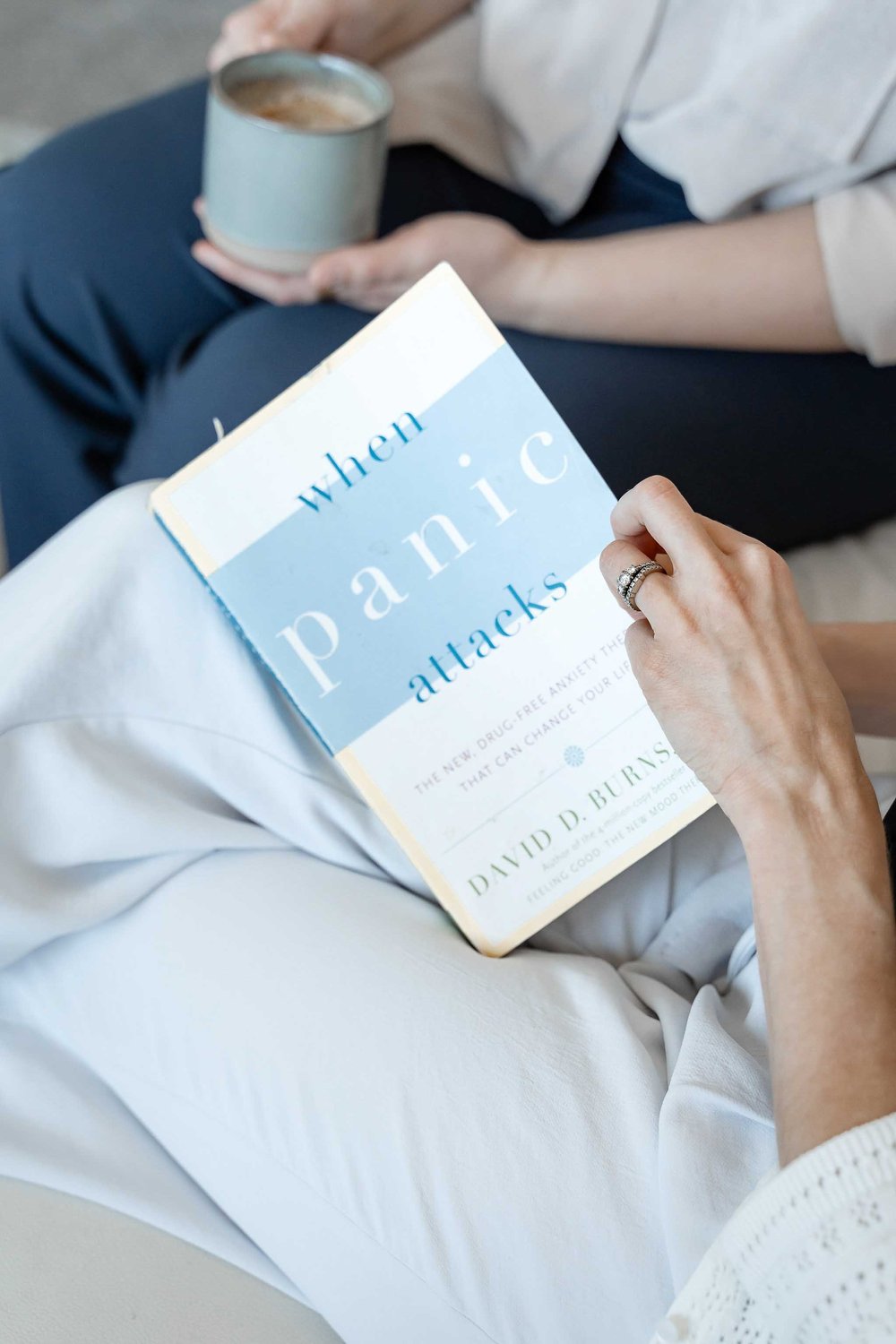
Understanding Panic Attacks
What Are Panic Attacks?
Panic attacks in children can feel frightening and confusing — for the child living through them and for the parents watching it happen. A panic attack is a sudden surge of intense fear that sets off very real physical sensations: a pounding heart, a tight chest, dizziness, trembling, or the feeling of not being able to breathe. Even though the child is completely safe, their body reacts as if there is danger, because the brain's alarm system has fired when it didn't need to. Panic is one of the ways anxiety in children can surface.
Because these sensations are so physical and come on so fast, many children begin to fear the panic itself, and quietly start avoiding the places where it happened before. Therapy helps children understand what panic really is, learn that these feelings are deeply uncomfortable but not dangerous, and build genuine skills to calm their bodies and face those situations again. With the right support, panic becomes something a child can understand and manage — rather than something to fear.
The False Alarm
What's happening inside during a panic attack.A panic attack isn't a sign that something is wrong with a child — it's a protective system firing at the wrong moment. Understanding the physical wave is often the first step in taking away its power.
- The brain's alarm centre reacts as though there is real danger
- A rush of adrenaline speeds the heart and quickens the breathing
- Sensations like dizziness, tingling, or chest tightness feel alarming
- The child reads those sensations as proof that something is wrong
- The surge always peaks and passes — the body cannot sustain it
- The body is doing its job to protect — just when no threat exists
Why Panic Feeds Itself
The fear-of-fear cycle that keeps panic going.Here's what surprises most parents: what turns a single frightening episode into recurring panic usually isn't the sensations themselves — it's the child's growing fear of those sensations. Panic becomes a loop that quietly teaches itself to repeat.
- The first attack teaches the brain that these body sensations mean danger
- The child begins scanning for a racing heart or tight chest, on high alert
- Noticing those sensations sparks fear, which releases more adrenaline
- The extra adrenaline intensifies the very feelings the child dreads
- Avoiding the trigger brings relief, but quietly confirms the false alarm
- Learning these sensations are safe is what finally breaks the cycle
With compassionate, evidence-based support, children learn that these overwhelming sensations always pass, and that they have real skills to move through them. Parents gain steady, practical ways to help their child feel safe in their own body again.
Common Signs of Panic Attacks
Panic Can Look Different in Every Child.
Panic attacks don't always announce themselves clearly. Because the sensations are so physical, they're often mistaken for a medical problem — when they're really the body's alarm system firing at the wrong moment, in a child who is completely safe.
Racing Heart & Breathlessness
The heart pounds, breathing turns fast and shallow, and a child may feel they can't get enough air — even though nothing is physically wrong.
Sudden Waves of Fear
Intense fear that arrives quickly and without an obvious cause, sometimes striking in ordinary, safe moments or waking a child from sleep.
Dizziness & Physical Sensations
Shaking, nausea, tingling, sweating, or chest tightness that feel alarming and can make the fear grow stronger in the moment.
Avoiding Triggers
Steering clear of the places, activities, or situations linked to a past attack, so a child's world can slowly begin to feel smaller.
Fear of the Next Attack
Worrying between episodes about when panic might strike again — a background dread that keeps the nervous system on edge.
Feeling Out of Control
A sense of unreality, of losing control, or that something terrible is about to happen — often the most frightening part of panic for a child.
Age-Specific Panic Attack Therapy
Panic Looks Different at Every Age
Panic attacks are sudden, overwhelming waves of fear with intense physical symptoms — a racing heart, trouble breathing, dizziness, a sense that something is terribly wrong — and how a child shows them changes with age, so our Calgary child psychologists tailor support accordingly. It's worth reaching out when these episodes are recurring, and especially when your child has started fearing the next one or avoiding the places where panic struck. Here's the reassuring truth we build everything on: panic feels dangerous, but it isn't — and it responds remarkably well to therapy.
Preschoolers
Ages 3–5
True panic attacks are uncommon this young, but little ones can have sudden, inconsolable surges of fear they have no words for. We work gently through play and co-regulation, helping their body settle and coaching you to be the calm, steady presence a young child borrows their calm from.
School-Age Children
Ages 6–12
At this age panic often gets described as a tummy ache, a racing heart, or feeling sick and wanting to escape, without the child understanding what's happening. We help them make sense of their body's false alarm, learn calming tools, and stop fearing the sensations themselves.
Teens
Ages 13–17
Teens often experience full panic attacks — pounding heart, chest tightness, dizziness, a fear of dying or losing control — then start dreading the next and avoiding triggers. We use CBT and gradual exposure to break that fear-of-fear cycle before it narrows their world.
What to Expect
What Panic Attack Therapy Actually Looks Like
Panic can be terrifying to have and to watch — but it's also one of the most treatable things we work with. The whole approach rests on one shift: helping your child understand that these frightening feelings are uncomfortable, not dangerous. Here's how it usually unfolds at our Calgary clinic.
Understanding What Panic Is
The first sessions demystify panic — explaining, in a way that fits your child's age, how the body's alarm system misfires and produces all those scary sensations without any real danger. Simply understanding what's happening takes a huge amount of the terror out of it.
Learning to Ride the Wave
Next your child learns tools to steady their body and, just as importantly, to stop fighting the panic — because struggling against it makes it worse. Knowing a wave will always crest and pass on its own gives them a sense of control right when they need it most.
Facing the Fear of Fear
Much of panic is fear of the sensations themselves, so we gently and gradually help your child get used to those feelings, and return to any places they've begun avoiding. Each step proves the panic can't actually hurt them — which is exactly what unwinds the cycle.
Freedom From the Cycle
Over time, the attacks come less often and feel far less frightening, the dread of the next one fades, and your child reclaims the places and activities panic had taken. We check in with you throughout and are honest when your child is ready to carry on without us.
How We Help
How Therapy Helps Children Move Through Panic.
Panic can feel impossible to reason with in the moment, because it lives in the body, not just the mind. Effective therapy meets panic where it actually happens — teaching a child that the sensations are deeply uncomfortable but safe, and giving them real tools to ride the wave until it passes.
At Creative Sky Psychology, our Calgary child psychologists use evidence-based approaches like cognitive behavioural therapy and gentle, graded exposure to help children calm their bodies, reframe frightening thoughts, and face the situations they've been avoiding. We work closely with parents so the same steady, reassuring approach continues at home and at school.
- Help children understand what panic is, and why the body's alarm can fire even when they are completely safe.
- Build calming skills — slow breathing, grounding, and practical ways to soften the physical wave as it rises.
- Reframe the frightening thoughts that make ordinary body sensations feel dangerous or catastrophic.
- Use gentle, step-by-step exposure to rebuild confidence in the places and situations a child has been avoiding.
- Ease the fear-of-fear cycle, so panic attacks gradually become less frequent, less intense, and less frightening.
- Equip parents with calm, practical ways to respond during an attack and to support recovery afterward.

Panic Attack Therapy in Calgary & Across Alberta
Helping Children Calm Their Bodies, Understand Panic, and Feel Safe Again
Creative Sky Psychology provides child panic attack therapy from our Calgary clinic, along with secure virtual appointments for families across Alberta. Whether your child experiences a racing heart, breathlessness, sudden waves of fear, or has begun avoiding the places where panic struck before, our child psychologists help children understand what's happening in their bodies and build real skills to calm the physical wave — while giving parents steady, practical ways to help at home and at school.
Neighbourhoods We Serve
- Aspen Woods
- West Springs
- Cougar Ridge
- Springbank Hill
- Wildwood
- Glenbrook
- Glendale
- Westgate
- Mount Royal
- Royal Oak
Virtual Panic Attack Therapy Across Alberta
Families throughout Alberta can access panic attack therapy through secure online appointments. Virtual sessions make it easy for children to practise calming and grounding skills in the environments where panic tends to happen, and for parents to learn how to respond during an attack, ease the fear-of-fear cycle, and help their child gradually return to the activities they've been avoiding.
Explore All Areas We ServeUnderstanding Your Child
Could a Psychological Assessment Help Explain the Panic?
Panic attacks are sometimes part of a larger picture. When panic is frequent, intense, or beginning to shrink your child's world, a comprehensive psychological assessment can help clarify what's driving it — whether an underlying anxiety disorder, heightened sensitivity to body sensations, past stressful experiences, or co-occurring concerns like ADHD or learning differences. Understanding the "why" behind the panic allows families to choose the most effective supports and build a clear plan for lasting progress.
Resources
Explore Our Blog
Helpful articles about panic attacks in children, anxiety and worry, calming and grounding skills, the fear-of-fear cycle, and practical strategies parents can use to help a child feel safe and steady when panic strikes.
Read Our Articles
Our Team
Meet the Psychologists Behind Creative Sky
Our Calgary child psychologists bring diverse backgrounds, advanced training, and a shared commitment to thoughtful, evidence-informed care for children and families.
Whether your child needs support for anxiety, ADHD, autism, trauma, EMDR, or life transitions, we'll help you find the child psychologist whose expertise, personality, and approach feel like the right fit for your family.

Panic Attack FAQs.
How Do I Know if My Child Is Having a Panic Attack and Not Just Anxiety?
Anxiety usually builds slowly and centres on worried thoughts about something specific — a test, a separation, a "what if." A panic attack is different. It comes on fast, peaks within minutes, and is mostly physical: a pounding heart, breathlessness, dizziness, shaking, or a sudden wave of dread.
The clearest difference is that the body reacts as though there's an emergency even when nothing dangerous is happening. Many children then become frightened of the sensations themselves — and that fear of the feeling is what sets panic apart from everyday worry.
What Causes Panic Attacks in Children?
Panic attacks aren't a sign of weakness, and they aren't caused by something you did as a parent. They happen when the brain's alarm system — the part designed to protect us from real danger — fires at the wrong moment and floods the body with adrenaline.
Some children are simply more sensitive to physical sensations, and once they've had one frightening episode, the fear of it happening again can trigger the next. Stress, a big transition, illness, or a scary experience can start the pattern, but often there's no single obvious cause — and that's completely normal.
Are Panic Attacks in Children Dangerous?
This is the fear underneath almost every parent's question, and the reassuring answer is no — a panic attack is intensely uncomfortable, but not physically dangerous. The racing heart and breathlessness are the body's harmless stress response, not a sign that something is medically wrong.
Panic also always peaks and passes on its own, because the body simply cannot sustain the surge. If your child ever has new or unexplained physical symptoms, it's always worth checking with your doctor first — but for most children, panic is the alarm misfiring, not a real threat.
What Should I Do When My Child Is Having a Panic Attack?
The most helpful thing is to stay calm yourself. Your steadiness speaks directly to your child's nervous system and tells it they're safe. Rather than rushing to fix the feeling or over-reassuring, gently remind them that the wave will pass, and help them slow their breathing — long, slow out-breaths calm the body fastest.
Afterward, try not to treat the episode as a catastrophe or let it become a reason to escape whatever they were doing, since that can quietly teach the brain the panic was justified. Warmth plus calm confidence is the combination that helps most.
Why Does My Child Have Panic Attacks at Night or for No Reason?
Panic that seems to come from nowhere is one of the most confusing parts for parents — but there usually is a trigger. It's just internal rather than obvious. A child might notice a slightly fast heartbeat, a warm room, or an unfamiliar body sensation, and the brain misreads that small cue as danger.
Night-time panic is common for the same reason: in the quiet and dark, there's less to distract from the body, so ordinary sensations feel louder and more alarming. It feels random, but it's really the alarm system reacting to something very small.
Will My Child Outgrow Panic Attacks, or Do They Need Therapy?
Some mild panic settles on its own, but panic more often grows than fades — because avoiding the triggers brings short-term relief that quietly teaches the brain the fear was justified. That's the fear-of-fear cycle, and it's why waiting can make things harder over time.
Therapy works so well precisely because it targets that cycle directly, helping a child learn that the sensations are safe so the pattern can unwind. The earlier a child builds these skills, the easier panic is to treat.
What Does Panic Attack Therapy for Children Look Like?
Panic attack therapy is practical and skills-based, not just talking. Using approaches like cognitive behavioural therapy, our Calgary child psychologists help a child understand what panic actually is, learn to calm the physical wave, and reframe the frightening thoughts that make sensations feel dangerous.
Gently and step by step, we help them face the situations they've been avoiding, so confidence rebuilds naturally. Parents are part of the process too, learning how to respond in ways that support progress at home and at school.
How Long Does It Take to Treat Panic Attacks in Children?
Every child is different, but panic often responds more quickly than parents expect, because it comes down to learnable skills. Many children notice meaningful change within a few months, once they truly grasp that the sensations are safe and begin facing the situations they'd been avoiding.
Children with longer-standing panic or other anxiety may need more time. The goal isn't for your child to never feel panic again — it's to take away its power, so an attack becomes something they know they can handle.

Take the First Step
Your Child Can Feel Safe Again.
A panic attack can be one of the most frightening things a child experiences — but panic is highly treatable, and it doesn't have to shape your child's life. Our Calgary child psychologists help children understand what's happening in their bodies, calm the physical wave as it rises, and gradually return to the places and moments panic made them avoid. Together, we'll help your child feel steady, confident, and safe in their own body again.