
Bullying & Peer Victimization Support in Calgary
Bullying Isn't Something Your Child Has to Fix.
Sunday night stomach aches. A jacket that keeps getting lost. A phone they've stopped looking at, or can't stop looking at. Going quiet when you ask about the day, and quieter still when you ask who they sat with. And somewhere in there, a school telling you it's a bit of back-and-forth between both of them, and a child telling you please, please don't call anyone.
This is the distinction that changes everything, and it's the one most often missed: bullying is not conflict. Conflict happens between two children with roughly equal power, and both of them have something to sort out. Bullying is repeated, deliberate, and one-sided — one child has power and is using it. That's why the standard advice fails so reliably. Sorting it out between them asks your child to negotiate with someone who holds power over them. Just ignore it asks them to absorb it. Stand up for yourself asks the person being hurt to solve the behaviour of the person hurting them. None of those are strategies. They're just ways of handing the job to the wrong child.
At Creative Sky Psychology, our Calgary child psychologists help in the ways that actually match the problem: supporting your child, helping you get the adults around them to act, and undoing what this has quietly taught them about who they are. Your child doesn't need to become tougher, funnier, or less of a target. They need this to stop.
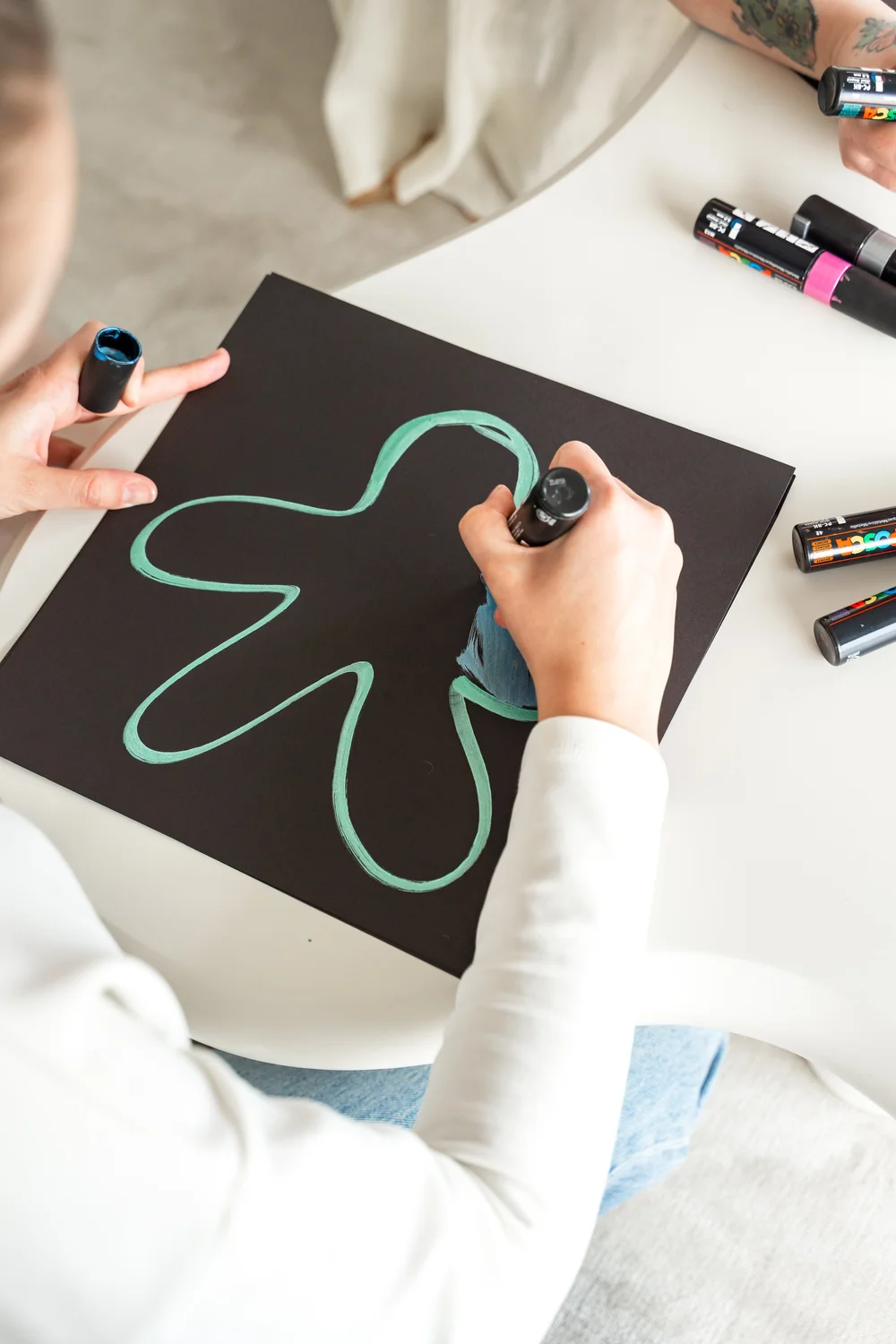
Understanding Bullying
What Counts as Bullying?
Three things, together: it's repeated, it's deliberate, and there's a power imbalance — one child has more of something, whether that's size, status, numbers, or information, and is using it. That last part is what separates bullying from ordinary unkindness, and the distinction isn't pedantry. A one-off nasty remark between equals is a falling-out, and children can work those out. A pattern aimed at someone who can't easily make it stop is something else entirely, and it needs adults.
It's also worth saying that the version everyone pictures — shoving, lunch money, a bruise you could photograph — is the rarest kind and the easiest to act on. Most bullying is social: rumours, freezing someone out, the group that goes quiet when they sit down, being the running joke. It leaves no marks and is easily explained away as girls being girls or just a bit of banter, which is precisely why it runs for years. And a phone means it now follows a child home, into their bedroom, at eleven at night. Being bullied can leave a child dreading or refusing school and quietly eroding their self-esteem. At Creative Sky Psychology, our Calgary child psychologists help families take this seriously — and help children recover from what it does.
Why They Didn't Tell You
The silence isn't secrecy. It's arithmetic.Parents ask this with real hurt in it — why wouldn't they come to me? Almost always, your child has already done the maths and concluded that telling costs more than it pays.
- They've watched telling make it worse before, for themselves or someone else
- They're ashamed — being picked on feels like it says something about you
- They're frightened of what you'll do, and what happens to them afterward
- Nobody wants to be the kid whose parent phoned the school
- Someone has already told them they're being too sensitive
- And some have simply stopped believing an adult will do anything
The Part That Lasts
The incidents end. The conclusions don't.Here's what parents are often surprised by: the lasting damage usually isn't the events themselves. It's what a child quietly decided those events meant.
- The bruise heals considerably faster than the belief
- They learn they're the sort of person this happens to
- They learn that telling didn't help — which shapes who they ask, for years
- So they start shrinking pre-emptively: quieter, smaller, harder to notice
- Many blame themselves, because that's less frightening than it being random
- Which is why this still needs undoing long after the bullying has stopped
Not their sensitivity, their interests, their size, their difference, or anything they did or failed to do. Children get targeted for being new, being kind, being clever, being quiet, or being nothing in particular. The only person responsible for bullying is the person doing it — and the adults who could stop it and don't. Your child's job was never to be a harder target. It was to be a child at school, which is all they were doing.
When They Won't Tell You
It Usually Shows Up Somewhere Else First.
None of these prove anything on their own — they could be a hundred other things, and most of the time they are. But they're a reason to ask, gently, and to keep asking. Children rarely answer the first time, and almost never answer the question "is everything okay?"
Sunday Night Stomach Aches
Ill on school mornings, fine by Saturday. The body keeps the timetable — and it isn't faking. Dread makes a stomach hurt for real.
Things Keep Going Missing
The jacket, the water bottle, the money. Or coming home hungry with an empty lunch bag and a shrug. Lost is a much easier word than taken.
Something Changed With the Phone
They've stopped looking at it, or they can't stop and it's making them miserable. Either way, a room they can't leave has moved into your house.
A Whole Friend Group Vanished
Names you heard every day for two years, gone from conversation. No falling-out you were told about, no invitations since. Just an unexplained silence.
Nothing Left by Home Time
Holding it together all day takes everything they've got. What arrives at your door at four is the part that's left, which is often not much.
Getting Quietly Smaller
Dropping the thing they loved, dressing to blend in, not putting a hand up anymore. Being unnoticeable starts to look like the safest available option.
Age-Specific Bullying Support
The Impact of Bullying Looks Different at Every Age
Being bullied leaves different marks at different ages, so our Calgary child psychologists tailor support to your child's stage. It's worth reaching out when bullying or peer exclusion is taking a toll — anxiety, withdrawal, not wanting to go to school, low self-esteem, physical complaints, or your child blaming themselves. Two things guide everything we do: bullying is never your child's fault, and stopping it is the adults' job, not theirs. Our work is to help your child heal, rebuild confidence, and feel safe again. Please reach out sooner if you ever notice hopelessness or any talk of self-harm.
Preschoolers & Early Years
Ages 3–6
Little ones may not have words for being hit, excluded, or picked on, showing it instead through clinginess, distress, or not wanting to go to daycare. We help them feel safe and process it through play, and support you in advocating with their caregivers and setting.
School-Age Children
Ages 6–12
At this age bullying can bring anxiety, school refusal, self-blame, and a real dent in self-worth, sometimes including cyberbullying. We help your child process what happened, rebuild confidence, and learn ways to stay safe, while partnering with you and the school to address it.
Teens
Ages 13–17
Teen bullying is often social or online — exclusion, rumours, relational aggression — and can fuel depression, isolation, and shame. We offer a safe space to heal, rebuild self-worth, and cope, keeping their overall wellbeing and safety at the centre throughout.
What to Expect
What Bullying Support Actually Looks Like
We want to be clear about one thing up front: therapy is not about "fixing" your child so they stop being bullied. Your child isn't the problem. Our work is to help them heal from the harm and feel safe and strong again, while the adults around them work to stop it. Here's how it usually unfolds at our Calgary clinic.
A Safe Place to Heal
The first sessions give your child a safe, non-judgmental space to process what happened and everything they feel about it — the hurt, the anger, the shame, and the self-blame that so often creeps in. Feeling believed and understood is where recovery begins.
Rebuilding Confidence and Self-Worth
Bullying can leave a child believing something is wrong with them, so a central part of our work is gently undoing that message. We help your child reconnect with their strengths and worth, and rebuild the confidence that being targeted quietly stripped away.
Coping Tools and Support
We help your child build ways to manage the anxiety and stay safe — assertiveness, knowing who to turn to, and steadying their nervous system. These are tools to help them cope, never a suggestion that ending the bullying is their responsibility, because it isn't.
Feeling Safe and Strong Again
Over time, your child heals, reconnects with friends and activities, and feels more secure in themselves. We work alongside you and the school throughout, keep safety front and centre, and are honest when your child is ready to carry on without us.
How We Help
How We Help When a Child Is Targeted.
The single most important thing we do isn't done with the child at all — it's making the bullying stop, and that's mostly a job for the adults. So a good deal of our work is with you: understanding what's actually happening, and helping you approach the school in the way that gets a school to act rather than to reassure. Because your child cannot fix this from the inside, and asking them to is how it drags on for years.
Alongside that, our Calgary child psychologists help your child directly — not to become a smaller target, but to recover. We work on the belief this has quietly installed, the anxiety it's left in its wake, and the specific, practical question of what to actually do in the moment, which is different from either freezing or fighting back. And where a real friendship or two would change everything, we help build that too, because being genuinely alone is what makes a child easiest to target and slowest to heal.
- Work with you to get the adults who can stop it to actually act.
- Help you approach the school so it's taken seriously, not smoothed over.
- Give your child real, specific options for the moment — beyond ignore it.
- Undo what this taught them about who they are and what they're worth.
- Treat the anxiety, low mood, or dread that so often comes with it.
- Help build the one or two friendships that make a child far harder to isolate.
Bullying Support in Calgary & Across Alberta
Helping Children Recover — and Helping Families Make It Stop
Creative Sky Psychology provides support for children experiencing bullying from our Calgary clinic, along with secure virtual appointments for families across Alberta. Whether your child has gone quiet and won't say why, dreads school on Sunday nights, has lost a whole friend group without explanation, or is being targeted somewhere you can't see, our child psychologists help on both fronts — supporting your child through what it's done to them, and helping you get the adults around them to take it seriously and act.
Neighbourhoods We Serve
- Aspen Woods
- West Springs
- Cougar Ridge
- Springbank Hill
- Wildwood
- Glenbrook
- Glendale
- Westgate
- Mount Royal
- Royal Oak
Virtual Bullying Support Across Alberta
Families throughout Alberta can access support through secure online appointments — and with cyberbullying, the harm often isn't tied to a place at all; it arrives through a screen, wherever your child happens to be. Much of the work is helping your child recover and coaching you through the conversations with the school, both of which travel perfectly well down a video call. It also means a child who's had more than enough of being looked at can get support without walking into an unfamiliar room to do it.
Explore All Areas We ServeIf Your Child Is the One Hurting Others
This Is a Different Kind of Worried
Getting the call that your child is the one doing the bullying is its own quiet nightmare, and there are almost no kind places to take it. So we'll start here: this doesn't make your child a bad person, and it doesn't make you a bad parent. Bullying behaviour is nearly always a symptom of something — a child who's being hurt somewhere else, who can't manage big feelings, who's copying what's modelled around them, who reads situations differently, or who's found that power is the one thing that makes them feel safe. Punishment alone rarely touches any of that, which is why it so often doesn't work. An assessment can help make sense of what's actually driving it, so the behaviour can change for real reasons rather than just being suppressed — and so the child underneath it gets help too. Taking this seriously now is one of the most protective things you can do, for the children being hurt and for your own.
Resources
Explore Our Blog
Helpful articles about bullying — the difference between conflict and bullying, why children don't tell, how to get a school to actually act, what to do about cyberbullying, and what to say when your own child is the one hurting others.
Read Our Articles
Our Team
Meet the Psychologists Behind Creative Sky
Our Calgary child psychologists bring diverse backgrounds, advanced training, and a shared commitment to thoughtful, evidence-informed care for children and families.
A child who's been hurt and not believed doesn't trust easily, and they're right not to. We'll help you find the psychologist your child feels safe with — one whose expertise, personality, and approach feel like the right fit for them and for your family.

Bullying & Peer Victimization FAQs.
How Do I Know If It's Bullying or Just Conflict?
Three things tell you: it's repeated, it's deliberate, and there's a power imbalance. Conflict happens between two children on roughly equal footing, both of whom have something to sort out — it's uncomfortable but ordinary, and children can learn from it. Bullying is one-sided. One child has more power, of some kind, and is using it against another who can't easily make it stop.
The distinction isn't academic, because it decides what should happen next. Conflict can be worked out between the children. Bullying can't, and trying to — sitting them down together to "talk it through" — usually makes things worse, because you've just handed the child with less power the job of negotiating with the child who's been hurting them. If the word that keeps coming to mind is fair-ish, it's probably conflict. If it's trapped, it's probably bullying.
The School Says It's "Both of Them." What Do I Do?
This is one of the most common and most maddening responses, and it usually comes from a school reaching for the tidiest version of events rather than from malice. "A bit of back-and-forth between both of them" reframes bullying as conflict, which conveniently means nobody has to be held responsible and mediation looks like a reasonable next step. It isn't, for the reasons above.
What helps is being specific and staying on paper. Vague concern is easy to wave off; a written record of what happened, when, and who saw it is much harder. Ask what the school's anti-bullying policy actually says and how it applies here. Ask for a plan and a follow-up date, in writing. Keep it calm and factual rather than furious — not because your fury isn't justified, but because a documented, unflappable parent is the one schools take seriously. If it stalls, it's entirely reasonable to go above the teacher to administration.
Should I Tell My Child to Stand Up for Themselves?
It's the most natural instinct in the world, and it mostly backfires. "Stand up for yourself" and "just hit them back" ask the child with less power to solve the behaviour of the child with more — which is the exact imbalance that defines bullying. When it goes wrong, and it often does, your child gets hurt worse or ends up the one in trouble, and learns that telling you led to advice that made it worse.
There are useful things a child can do in the moment — staying near adults and allies, keeping a flat unrewarding reaction rather than the distress a bully is fishing for, walking toward people rather than away into empty corridors. But notice these are ways to stay safe, not ways to win. The behaviour changing is an adult's job. Anything that quietly makes it your child's job to end their own victimization is the wrong tool, however brave it sounds.
My Child Begged Me Not to Do Anything. Do I Respect That?
Take the fear seriously — it's real and usually well-founded — but no, "do nothing" can't be the plan. Your child's terror is that acting will make it worse, and sometimes clumsy action does. The answer isn't to stay silent; it's to act in a way that doesn't expose them, and to bring them into how.
So tell them you won't blindside them, and mean it. Work out together what a safe next step looks like, give them as much control over the details as you can, and be honest that you can't promise to do nothing because it's your job to keep them safe. Handled that way, acting becomes something you do with them rather than to them — which, incidentally, teaches the opposite of what bullying teaches. It teaches that speaking up brought help, not harm.
What About Cyberbullying — It Never Stops.
You've named the cruellest part of it. Old-fashioned bullying at least ended at the school gate; this follows a child into their bedroom at midnight, it can be anonymous, and it comes with an audience. Taking the phone away sounds logical and usually isn't the answer — it removes their entire social world along with the harm, punishes them for being targeted, and teaches them not to tell you next time in case you do it again.
What helps more: screenshot and keep everything before blocking, because that record is what schools and, if it comes to it, police actually respond to. Block and report rather than reply — engaging is what the other person wants. Loop in the school even when it happened at home, since it almost always spills into the classroom. And keep the line open by not overreacting, because a child who fears losing their phone will simply stop showing you. Alberta also has laws around this once it crosses certain lines, and you're within your rights to involve police if it does.
Should We Just Change Schools?
Sometimes it's exactly right, and it shouldn't be treated as surrender. If the bullying is severe, the school has repeatedly failed to act, or your child's mental health is genuinely at risk, a fresh start can be the kindest and most sensible decision available. Nobody should stay in a place that's harming them to prove a point.
Two honest cautions, though. First, a child who leaves without any support can carry the same fears and the same conclusions into the new place, so the move works best alongside helping them recover, not instead of it. Second, it's worth doing for the right reason — because this environment is unsafe, not because your child needs to become someone who doesn't get bullied. The problem was never them. A move can be a good answer; it just shouldn't be dressed up as your child's failure to cope.
Does Bullying Cause Lasting Harm?
It can, and it's right to take that seriously rather than reach for "kids are resilient." Being bullied, especially over a long stretch, is linked to anxiety, depression, and a lasting dent in how a child sees themselves — and the damage often outlives the events, because what sticks is the belief a child formed about who they are. Pretending otherwise doesn't protect anyone.
But "can" is not "will," and this is the hopeful half. The two things that most reliably buffer a child are exactly the two things within reach: the bullying stopping, and at least one relationship where they feel completely safe and believed. Children who get those tend to recover well, even from a hard stretch. And it's genuinely never too late — plenty of the work we do is with children well after the bullying ended, undoing what it taught them. If that's you, you haven't missed the window.
What If My Child Is the One Bullying?
First: this is a genuinely painful thing to face, and facing it rather than dismissing it already tells us something good about you as a parent. It doesn't make your child a bad person. Bullying behaviour is nearly always a signal — a child who's being hurt somewhere themselves, who can't manage big feelings, who's copying what's around them, who reads situations differently, or who's discovered that power is the one thing that makes them feel in control.
Which is why punishment alone rarely fixes it: it suppresses the behaviour without touching the reason. The behaviour absolutely does need to stop, clearly and without excuses — and the child underneath it usually needs help too, and both of those are true at once. Understanding what's driving it is how you get change that lasts rather than change that waits for you to stop watching. Taking it seriously now is one of the most protective things you can do, for the children being hurt and for your own.
Take the First Step
It Was Never Their Job to Fix.
Your child has been told to toughen up, ignore it, or sort it out themselves — and none of it worked, because none of it was ever their job. Making it stop belongs to the adults, and you don't have to do that part alone. Our Calgary child psychologists help you get the people who can act to actually act, and help your child recover from what this has quietly taught them about who they are. Whether it's still happening or ended long ago, the belief it left behind can be undone. Your child didn't do anything to deserve this — and they don't have to carry it on their own.