

Support for Children Through Change in Calgary
Big Changes Land Harder on Small Shoulders.
A new house, a new school, a new baby, a separation, a move across the country, a parent starting a job that takes them away. From the outside it can look like a child taking it in their stride — and then it arrives sideways, weeks later, as tummy aches, clinginess, meltdowns over nothing, a sudden fear of the dark, or a child who's simply not themselves and can't tell you why.
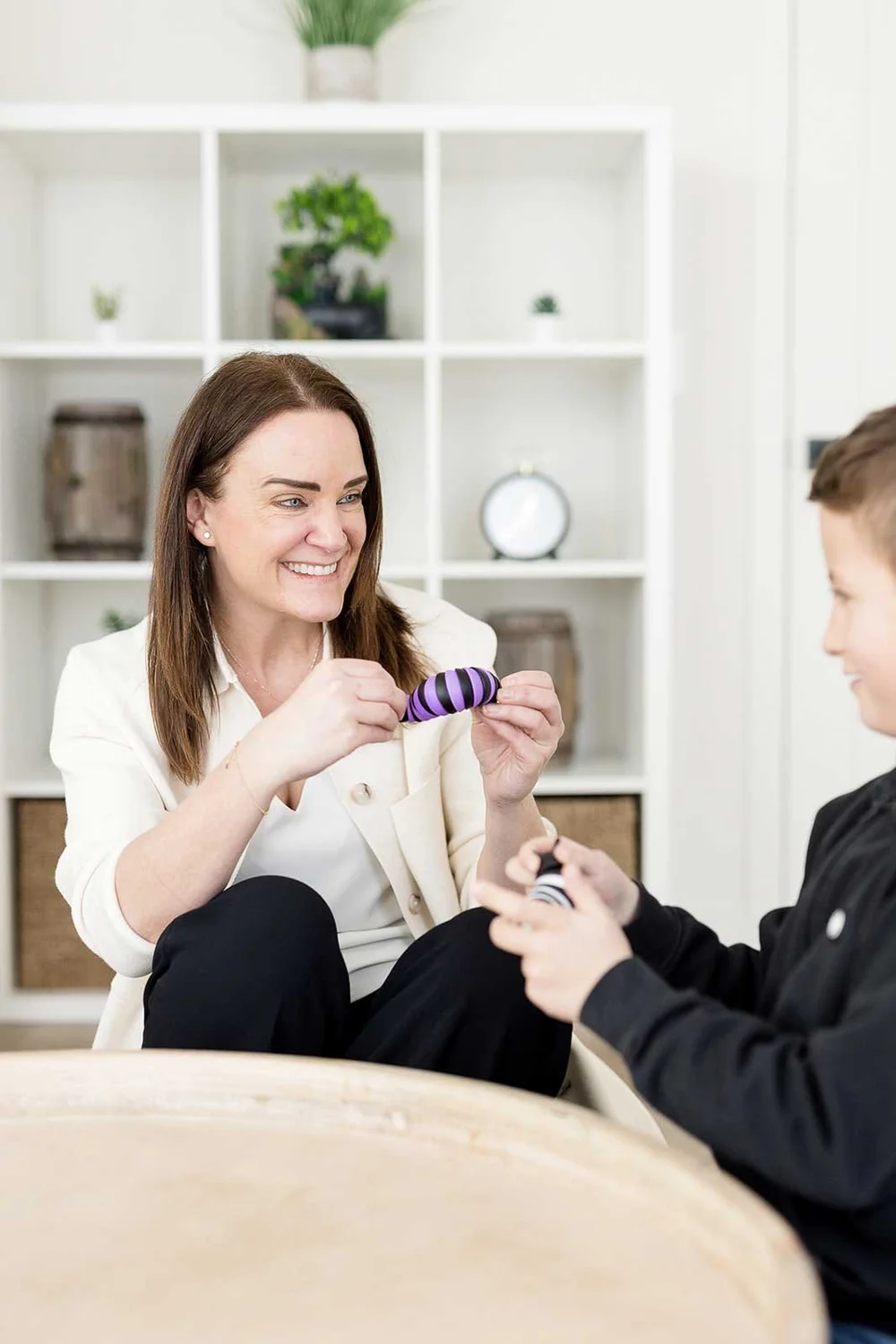
Here's what's worth understanding. Children don't have an adult's sense of time or an adult's power to change their circumstances, so change hits differently: it's happening to them, they didn't choose it, and they often can't picture the other side. What looks like an overreaction is usually a child feeling that the ground has moved and having no words for it. And the delay is normal — many children hold it together while the change is happening and only come undone once things are supposedly settled. At Creative Sky Psychology, our Calgary child psychologists help children find their footing through the transitions that shape childhood.
Understanding Transitions
Why Change Is So Hard for Children.
Adults tend to underestimate this, because we've had decades of practice at change and we mostly get to choose ours. A child hasn't and doesn't. Their whole sense of safety is built on things being predictable — the same house, the same faces, the same routine — so when a big piece of that shifts, it can feel less like an inconvenience and more like the floor moving. And because they can't yet zoom out and reassure themselves that it'll be okay in a few months, the change feels total and permanent while they're in it.
This is why a transition an adult sees as positive — a bigger house, a new sibling, an exciting move — can still land as a loss for a child. They're not being ungrateful or difficult. They're grieving the old normal while everyone around them celebrates the new one, and that's a genuinely lonely place to be. At Creative Sky Psychology, our Calgary child psychologists help children make sense of change, carry the feelings that come with it, and rebuild the sense of steadiness that lets them settle into what's next.
Why It Shows Up Late — and Sideways
The reaction rarely arrives on schedule.Parents brace for distress during the change and are caught off guard when it comes weeks later, disguised as something unrelated. Understanding the delay stops you from thinking a new problem has appeared.
- Many children hold it together while the change is actually happening
- It surfaces once things settle, when it finally feels safe to fall apart
- They rarely say "I'm struggling with the move" — they lack the words
- So it comes out as tummy aches, clinginess, or meltdowns over nothing
- Old fears can return — the dark, separation, wetting the bed
- The behaviour is the message, because the feeling has no other exit
What Actually Helps Them Settle
Not distraction — anchors.The instinct is to cheer a child up and hurry them toward the bright side. What steadies them is quieter than that: a few fixed points that stay the same while everything else moves.
- Predictable routines matter more during change, not less
- Keeping small constants — the same bedtime story, the same mug — anchors them
- Naming the loss out loud helps more than rushing to the upside
- A calm adult who isn't rattled tells their nervous system it's safe
- A little control, even over tiny choices, gives back what change took
- Time — real time — because settling can't be hurried, only supported
Regression — the clinginess, the old fears, the behaviour you thought was long outgrown — is one of the most normal responses to change there is, and it's temporary. It's a child reaching for the safety of an earlier time while the ground steadies underneath them. With patience, predictability, and support, almost every child finds their footing again — and often comes out the other side more adaptable than before.
The Changes Childhood Brings
Some Are Chosen. None Are Small.
Change comes in every shape — some hoped for, some hard, some out of anyone's hands. However it arrives, a child has to do the same quiet work of letting go of the old and finding their footing in the new. These are the ones we help families through.
Moving House
A new bedroom, a new street, and a whole world of familiar things left behind. Even an exciting move asks a child to let go of everything they knew as home.
A New School
Unknown faces, unwritten rules, and having to find their place all over again. Starting fresh is daunting even for confident children — and exhausting for quieter ones.
A New Sibling
A joy for the family and a seismic shift for the child who was there first. Sharing attention they never had to share is one of childhood's biggest adjustments.
Separation & Divorce
Two homes, new routines, and a family shape that's changed for good. One of the hardest transitions a child faces — and one they can absolutely come through okay.
A Parent's Change
A new job, longer hours, a deployment, a serious illness, a parent who's away more than before. When a parent's world shifts, a child feels the tremor of it too.
Growing-Up Milestones
Starting school, moving up to high school, a body that's changing, more independence than they feel ready for. Even the milestones we celebrate are transitions to be carried.
Age-Specific Support Through Change
Change Feels Different at Every Age
A move, a new school, a divorce, a new sibling, an illness, or a loss lands differently depending on a child's age, so our Calgary child psychologists tailor support accordingly. It's worth reaching out when a big change is hitting your child hard — or when the reaction lingers, or surfaces weeks later as anxiety, regression, withdrawal, or behaviour changes. Change is part of childhood, and most children adjust with time and support. This work is for when the adjustment feels stuck or heavy, giving your child a place to process and steadier ground to stand on. And yes, delayed reactions are completely normal.
Preschoolers
Ages 3–5
Little ones don't fully understand change and often show it through play, regression, and clinginess rather than words. We work through play and keep things simple and concrete, and coach you on the routines, reassurance, and steadiness that help a young child feel safe again.
School-Age Children
Ages 6–12
At this age children grasp more and worry more — with questions, mood or behaviour shifts, trouble at school, and sometimes guilt, especially around divorce. We help them make sense of the change honestly, process the feelings underneath, and build coping and reassurance.
Teens
Ages 13–17
Teens understand fully and often want a say and some control, and may withdraw or act out when upheaval collides with their push for independence. We give them space to process, validate the loss of control, and support them in finding their footing through it.
What to Expect
What Support Through Change Actually Looks Like
Children don't need change to be painless — they need to feel understood and steady while they move through it. So our work is less about making the hard thing go away and more about helping your child feel safe, supported, and able to adjust. Here's how it usually unfolds at our Calgary clinic.
A Space to Process the Change
The first sessions give your child room to feel and make sense of what's happening — the worries, the questions, the sadness or anger — without any pressure to be okay. Being able to name and share it, often through play or talk, is where the adjustment really starts.
Building Coping and Security
Next we help your child find steadiness again — coping tools for the big feelings, and a felt sense of safety even as things shift. A big part of this is protecting the anchors that stay the same, since predictability is what lets a child absorb one big change without feeling like everything is.
Guiding the Family Through It
Because you're your child's steadiest anchor, we coach you too — on honest, age-appropriate ways to talk about the change, keeping routines stable, and looking after yourself through it. When a change is hard on the whole family, supporting the parents is often what helps the child most.
Steadier Ground Again
Over time, your child settles, the worries and behaviour shifts ease, and they carry forward a little more resilience for the next change life brings. We check in with you throughout, support the whole family as needed, and are honest when your child is ready to carry on without us.
How We Help
How We Help Children Find Steady Ground.
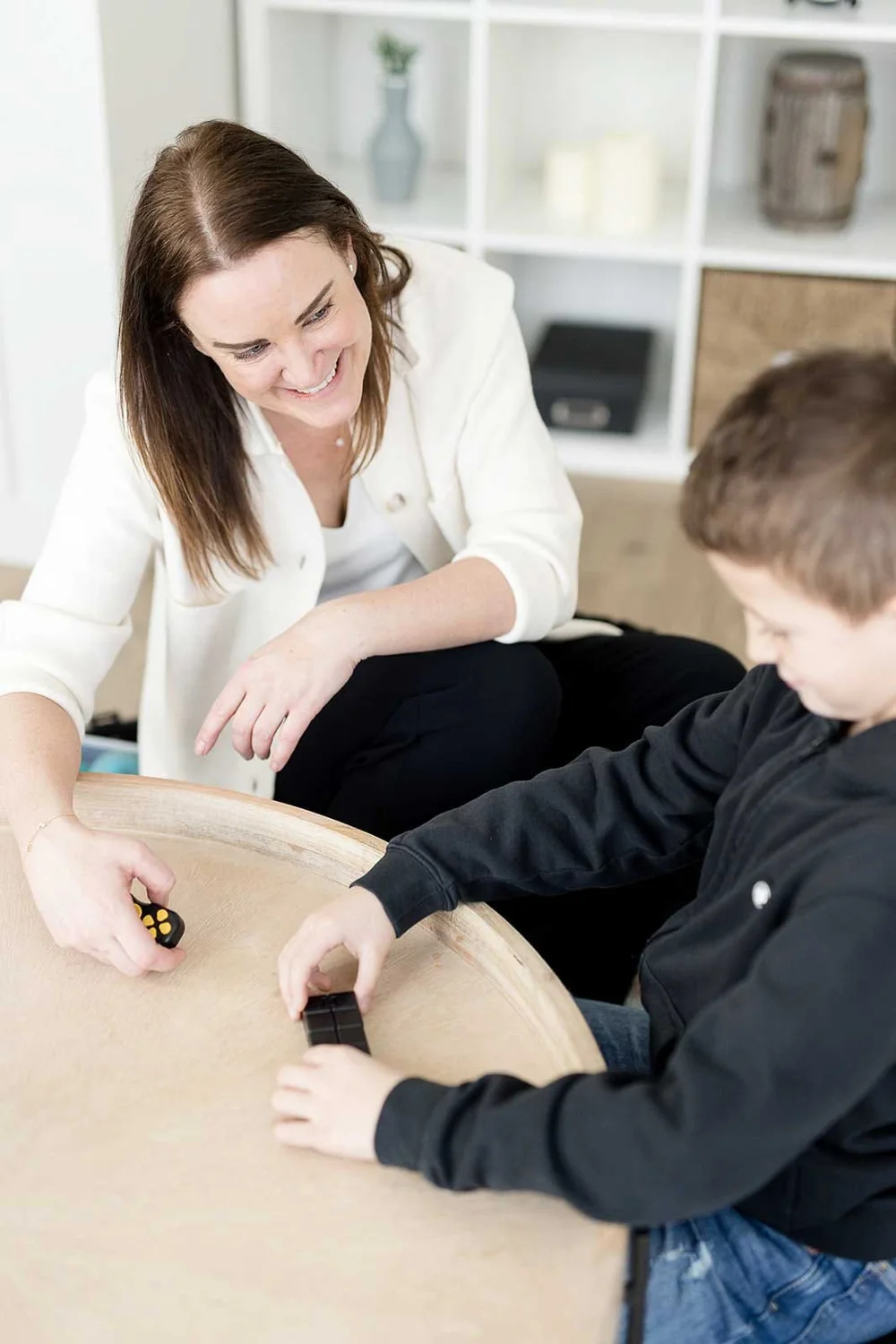
Children rarely arrive able to say "I'm having a hard time with the move" — the feeling comes out sideways, in behaviour, long before it comes out in words. So a lot of the early work is giving it somewhere to go: through play, through talking, through helping a child name what they've lost and what they're scared of, so it stops leaking out as tummy aches and meltdowns and starts making sense to everyone, including them.
From there, our Calgary child psychologists help a child rebuild the sense of safety that change knocked loose — steady routines, small anchors, a bit of control over what they can control. And because so much of what settles a child is what happens at home, much of the work is with you: how to hold steady when you're stretched thin too, what to say, and how to give a child room to grieve the old normal while they find their feet in the new one.
- Give big, wordless feelings a way out — through play, not just talk.
- Help a child name what they've lost, instead of it leaking out as behaviour.
- Rebuild the routines and small anchors that make a child feel safe again.
- Give back a little control, which is often what change quietly took away.
- Coach you on what to say and how to stay steady while you're stretched too.
- Build the adaptability that helps a child meet the next change more easily.
Support Through Change in Calgary & Across Alberta
Helping Children Find Their Footing Through Life's Transitions
Creative Sky Psychology helps children through transitions and change from our Calgary clinic, as well as secure virtual sessions for families throughout Alberta. Whether your child is struggling with a move, a new school, a new sibling, a separation, or a change nobody in the family chose, our child psychologists help you understand what they're carrying — and help your child find their footing again through play, connection, and the steady support that lets a child settle into what comes next.
Neighbourhoods We Serve
- Aspen Woods
- West Springs
- Cougar Ridge
- Springbank Hill
- Wildwood
- Glenbrook
- Glendale
- Westgate
- Mount Royal
- Royal Oak
Virtual Support Across Alberta
Families across Alberta can access support through secure online sessions — which fits this work particularly well, since a move or a big change often has a family in flux, mid-transition, or spread across two homes. Sessions can carry on wherever your child lands, without a new place and a new waiting room adding one more unfamiliar thing to an already unsettled time. Support is available wherever your family is located in the province.
Explore All Areas We ServeUnderstanding Your Child
When Change Is Especially Hard to Weather
Most children wobble through a big change and steady again within a few months. When the wobble lasts much longer, or when even small, everyday changes — a switched routine, a substitute teacher, a different plan for the day — reliably throw your child off, it can be worth understanding why. For some children, change is genuinely harder to process: predictability is more essential to how they're wired, and transitions cost them more than they cost other kids. That's often the case for autistic children, or for those with anxiety or attention differences, and it isn't a flaw — it's useful information. A child psychological assessment can clarify what makes change so demanding for your child, so the support fits how they actually experience the world rather than how we assume they should.
Resources
Explore Our Blog
Helpful articles about children and change — helping a child through a move or a new school, why big feelings show up weeks later, welcoming a new sibling, supporting kids through separation, and how to keep a child steady when everything else is shifting.
Read Our Articles
Our Team
Meet the Psychologists Behind Creative Sky
Our Calgary child psychologists bring diverse backgrounds, advanced training, and a shared commitment to thoughtful, evidence-informed care for children and families.
When a child's world has been unsteady, a warm, patient adult who becomes a reliable part of it can be a steadying force all on its own. We'll help you find the psychologist your child settles with — one whose expertise, personality, and approach feel like the right fit for them and for your family.

Transitions & Change FAQs.
My Child Seemed Fine, Then Fell Apart Weeks Later. Why?
Should I Tell My Child About a Big Change in Advance?
How Much Should I Tell Them About a Separation or Divorce?
My Child Has Regressed — Bedwetting, Clinginess, Baby Talk. Is That Bad?
Should I Keep Everything the Same, or Make a Fresh Start?
How Long Should It Take My Child to Adjust?
The Change Wasn't a Choice, and I'm Struggling Too. How Do I Help?
When Should We Get Professional Help?
Take the First Step
The Ground Will Feel Steady Again.
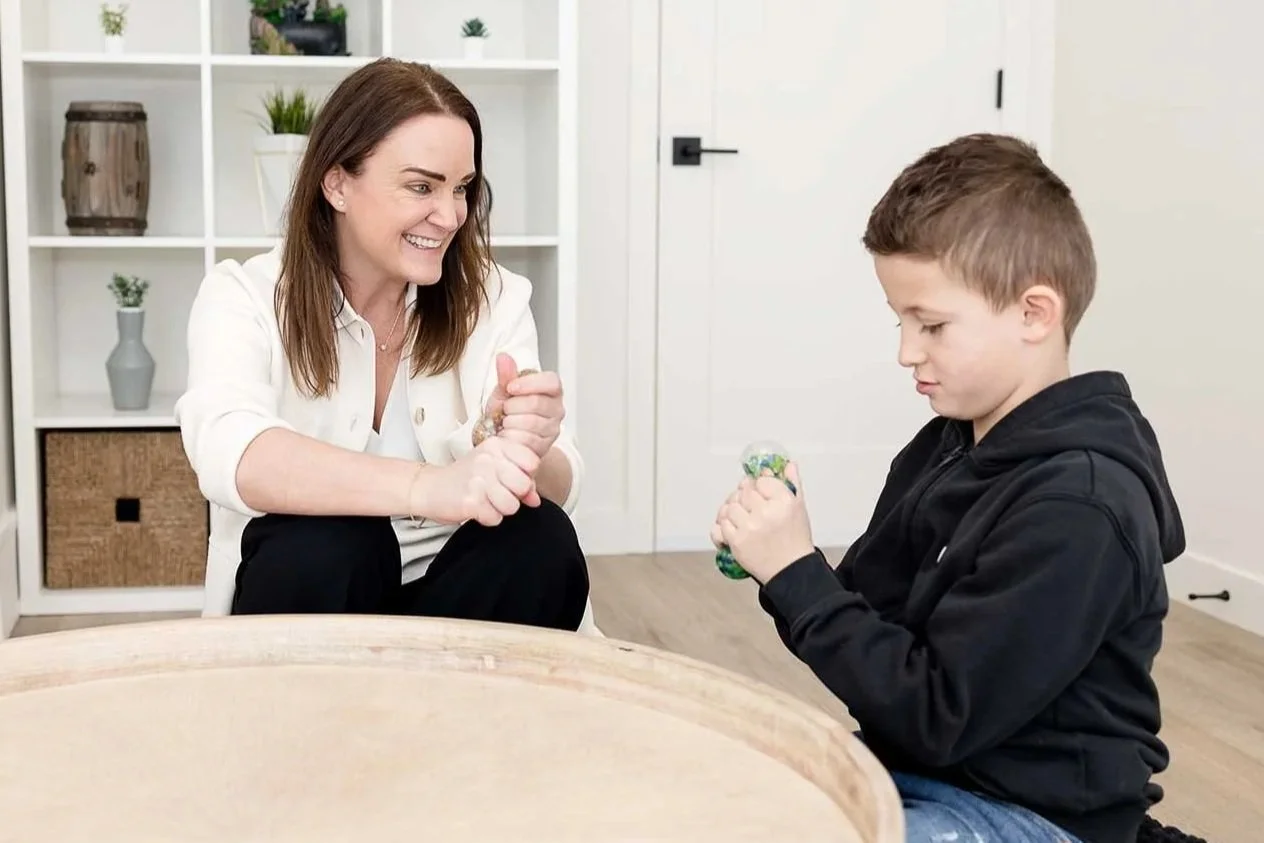
Whether the change was chosen or handed to you, watching your child struggle through it is its own kind of hard — especially when you may be finding your own feet at the same time. You don't have to steady them alone. Our Calgary child psychologists help children make sense of what's shifted, give the big wordless feelings somewhere to go, and rebuild the sense of safety that change knocked loose. What looks like going backwards is almost always a child finding their footing — and with a little support, they do. So does the family around them.